Technology news and discussion on TalkFuse.
Starship tower recovery advances NASA’s revised lunar mission plans
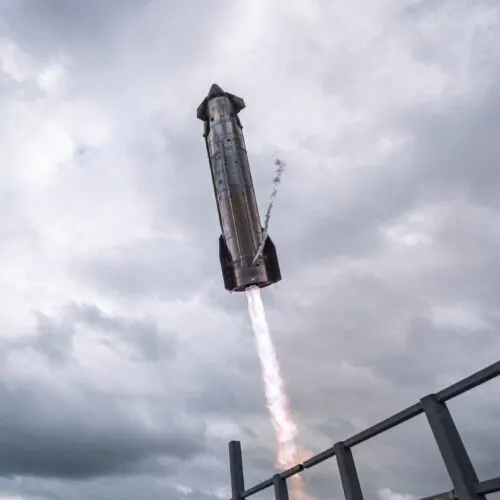
SpaceX’s successful recovery of its Starship rocket by catching it at the launch tower has removed a major hurdle for NASA’s Moon programme. The achievement could support more frequent launches and help SpaceX advance towards orbital refuelling, a key requirement for Starship to carry astronauts to the lunar surface.
NASA’s Artemis III mission has been changed from a lunar flight to a crewed test mission in low Earth orbit, with the first planned crewed Moon landing moved to Artemis IV, targeted before the end of 2028. The Artemis III crew will test Blue Origin’s Blue Moon cabin and briefly dock Orion with Starship, without entering it; NASA says SpaceX’s main challenges are refuelling and an uncrewed lunar landing, while Blue Origin has less experience with crewed orbital systems.
In short
- Starship’s first tower catch could enable faster testing.
- Orbital refuelling remains a key technical challenge.
- Artemis III will test landers in low Earth orbit.
Steelman: both sides, in good faith
The strongest fair case each way — we don't pick a winner.
The case for
The tower catch is a meaningful engineering advance that could make Starship easier to reuse and help SpaceX work towards the frequent launches and orbital refuelling NASA needs for a lunar landing. A low Earth orbit test on Artemis III could let the crew and NASA assess key systems before committing to a more demanding Moon mission, while preserving a path to a landing on Artemis IV.
The case against
A successful tower recovery does not yet demonstrate orbital refuelling or an uncrewed lunar landing, the capabilities NASA identifies as central remaining challenges for SpaceX. Moving the first planned crewed landing to Artemis IV also extends the timeline and leaves the programme dependent on systems that still need testing; Blue Origin’s limited experience with crewed orbital systems presents its own uncertainties.
Read the full article at the source →
Originally published by Ars Technica as “NASA’s new Moon plan is taking shape, but some big questions remain”.