World news and discussion on TalkFuse.
James Carville calls out far-left Rep. Pramila Jayapal for Hakeem Jeffries remarks: ‘Ignorant of black history’
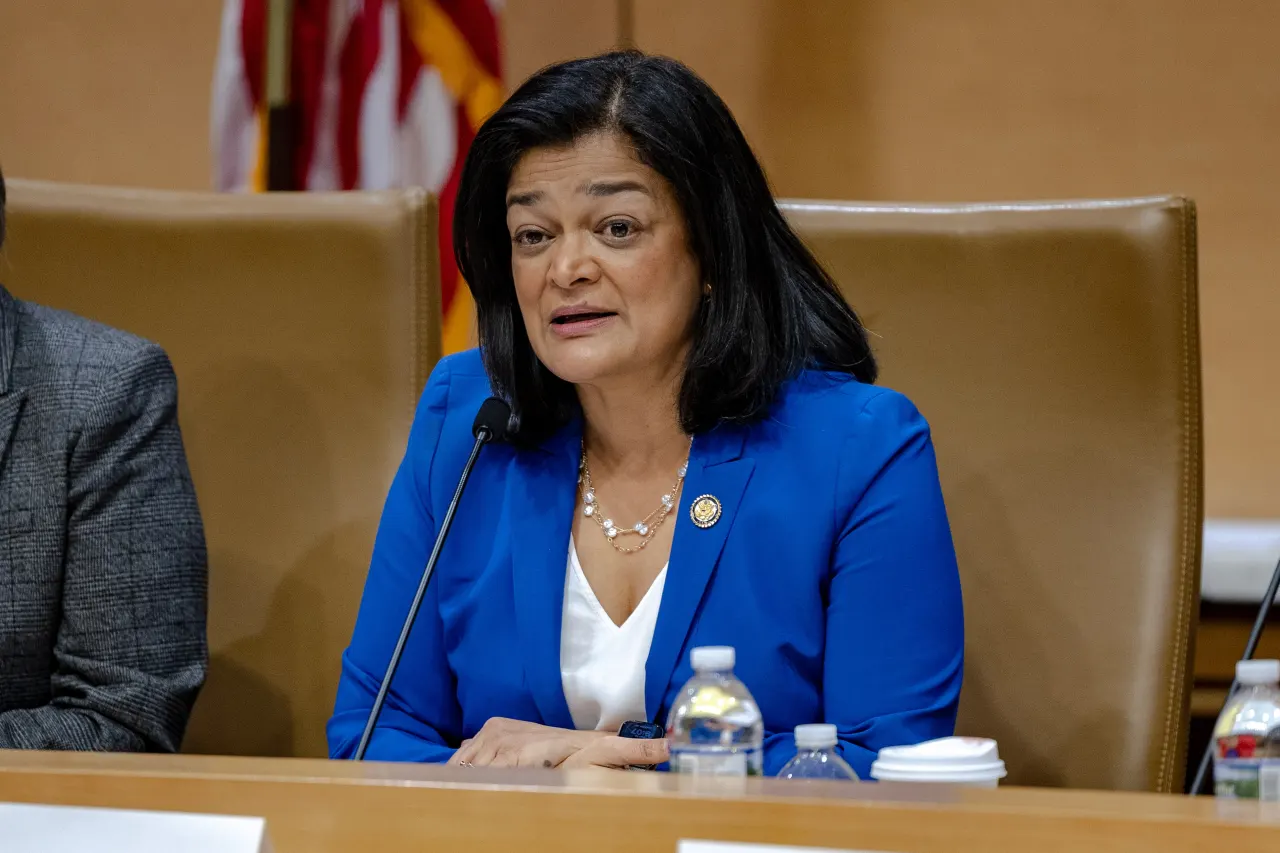
Democratic strategist James Carville criticised Representative Pramila Jayapal over her description of Hakeem Jeffries having a “relatively short rope” to show urgency as the incoming House speaker. Carville said the phrase reflected ignorance of Black history, given its association with lynching, and argued that progressive Democrats should educate themselves; the dispute highlights tensions over how to challenge Jeffries and the significance of his becoming the first Black speaker.
Jayapal made the remark in a 10 November interview while discussing her wish for Jeffries to help secure support for Medicare for All and to respond quickly to demands for reform. She later said she meant a short window to act and condemned the use of lynching imagery to intimidate anyone. Democratic strategist Kaivan Shroff described the wording as careless but said Jayapal was not making a lynching reference, while arguing that criticism of Jeffries should remain permissible. Jeffries was elected speaker on Wednesday, despite some progressive lawmakers voting against him.
In short
- Carville condemned Jayapal’s “short rope” wording.
- Jayapal said she meant a limited time to act.
- The dispute centres on criticism of incoming Speaker Jeffries.
Steelman: both sides, in good faith
The strongest fair case each way — we don't pick a winner.
The case for
Carville’s criticism can be understood as a call to recognise that language carries historical weight: “short rope” has associations with lynching, and using it about the first Black speaker may cause particular hurt even if that was not intended. On this view, public figures should take care with such phrases and acknowledge their impact, while progressives can press Jeffries for action without language that evokes racial violence.
The case against
Jayapal said she meant that Jeffries had a limited time to act on reform demands, and later condemned the use of lynching imagery to intimidate anyone. Shroff’s view that the wording was careless but not a lynching reference supports distinguishing an unintended phrase from an intentional threat; critics of Jeffries should still be able to apply pressure and debate his record, including when he makes history as the first Black speaker.
Explained simply
Hakeem Jeffries is a Democratic member of the US House of Representatives, where lawmakers elect a speaker to lead debates and help set the chamber’s agenda. He is the first Black person to hold the role. The speaker has to manage the House while working with members who may disagree over policy and priorities.
Pramila Jayapal, also a Democrat in the House, leads a group of progressive lawmakers who support policies such as Medicare for All. In an interview about what she wanted from Jeffries, she used the phrase “short rope” to describe the time she thought he should have to act. The phrase has a painful association with lynching, the racial terror used against Black people in the United States.
James Carville is a Democratic strategist who criticised Jayapal’s wording; another strategist, Kaivan Shroff, called it careless while saying criticism of Jeffries should remain possible. The disagreement reflects broader debate within the party about how to press its leaders on policy and how to discuss the history carried by certain expressions.