World news and discussion on TalkFuse.
REVEALED: Details of Andy Burnham’s much-disputed EU plan, and what isn’t yet agreed
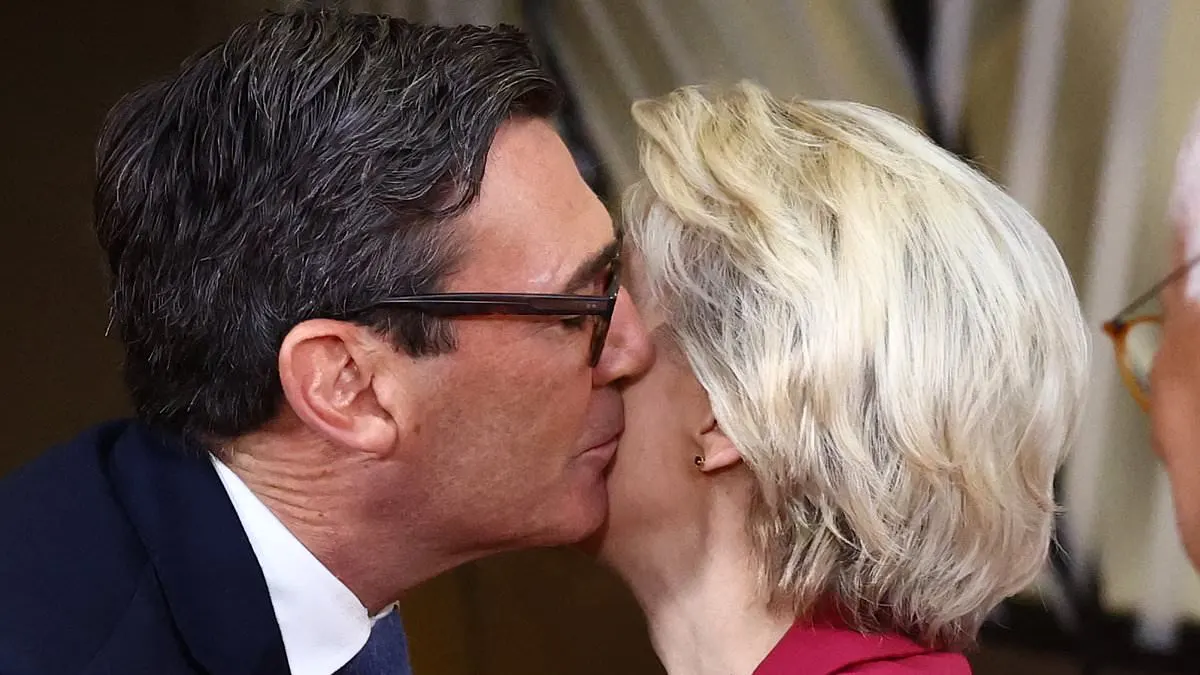
Andy Burnham’s proposed agreement would significantly change the UK’s post-Brexit relationship with the EU, easing trade in food while requiring Britain to follow some EU rules without a vote on them. It also proposes a new scheme allowing young people to live and work across the UK and EU, while several unresolved issues could still affect the deal.
The food agreement could remove much of the post-Brexit red tape and allow sausage exports to resume from 2028, but UK producers would follow EU regulations. The youth scheme would cover up to 100,000 people aged 18 to 31 from each side for stays of up to three years, with a target start in January 2030. The EU and UK have six months to settle a dispute over tuition fees: the EU wants its students to pay the UK rate of £9,970 rather than fees of up to £38,000, a change estimated to cost universities nearly £500 million. The sides also agreed to discuss migrant smuggling and human trafficking, and offered assurances about protecting supply chains, but set out no concrete migration measures.
In short
- The plan would ease food trade but make the UK follow some EU rules.
- A youth scheme would allow up to 100,000 people from each side to travel and work.
- Tuition fees and other details remain unresolved.
Steelman: both sides, in good faith
The strongest fair case each way — we don't pick a winner.
The case for
Supporters could argue that closer alignment on food rules would reduce trade barriers, help UK producers and restore exports, while a capped youth mobility scheme would give young people on both sides valuable opportunities to live and work abroad. They may see accepting some EU rules without a vote as a practical price for smoother trade, and the unresolved questions as matters for negotiation rather than reasons to reject the plan.
The case against
Critics could argue that following EU rules without a say over them would limit the UK’s freedom to set its own standards, while the proposed youth scheme and easier trade would bring lasting obligations that deserve fuller scrutiny. They may also be concerned that the tuition-fee dispute could impose substantial costs on universities, and that discussions on migration and supply chains have not yet produced concrete measures.
Explained simply
Since leaving the EU, the UK has faced new checks and paperwork when trading food with Europe. Andy Burnham’s proposal would make food trade easier, but UK producers would need to follow some EU rules, which Britain would not help decide.
It also proposes a scheme for people aged 18 to 31 to live and work on the other side for up to three years. The UK and EU have not settled how much EU students would pay to study at British universities, or agreed specific steps on migrant smuggling and human trafficking.
The plan would shape trade, travel and education links between the UK and EU. Its effects depend on which parts both sides ultimately agree and how they put them into practice.