World news and discussion on TalkFuse.
JASON GROVES ANALYSIS: How naive Andy Burnham walked straight into the EU trap
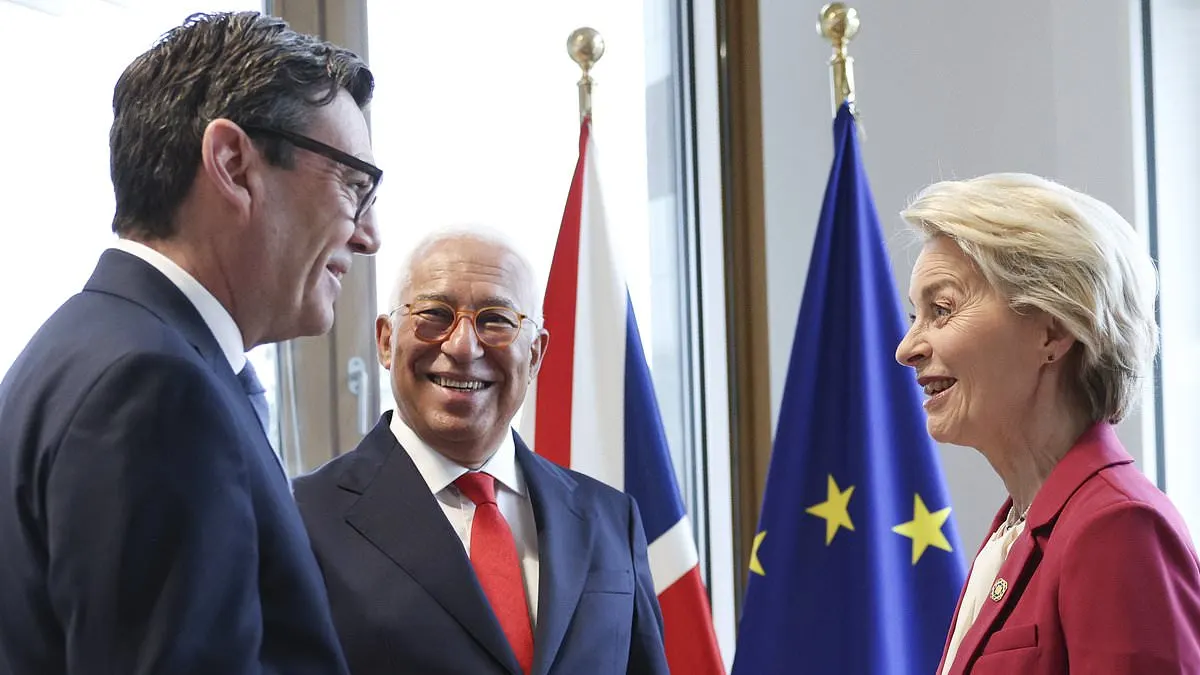
The article argues that Prime Minister Andy Burnham has made significant concessions in negotiations with the EU, while Brussels has added a late demand for Britain to help fund European students at UK universities. It says the dispute has put a wider Brexit reset deal at risk and undermines the Government’s claim that talks were being conducted from a position of strength.
The article reports that the student funding request could cost nearly £500 million a year, and says the EU gave Britain six months to agree or the deal could collapse. It also describes a youth mobility scheme allowing up to 100,000 young Europeans to come to Britain, with stays of up to three years, and an agreement granting EU fishing fleets access to British waters until 2038. The text ends mid-sentence, so it does not provide the full account of the final agreement.
In short
- The EU reportedly made student funding a condition of the wider deal.
- The proposed contribution could approach £500 million a year.
- The article says Britain also accepted concessions on youth mobility and fishing.
Steelman: both sides, in good faith
The strongest fair case each way — we don't pick a winner.
The case for
A critic could argue that accepting costly new obligations and long-term fishing access would give the EU significant gains while leaving Britain with limited leverage, especially if the student funding demand was added late. If the reported terms are accurate, the episode may suggest the Government misjudged the negotiations and should reconsider a deal that risks public money and control over domestic resources.
The case against
A defender could argue that negotiations involve reciprocal compromises, and that student exchange, youth mobility and stable fishing arrangements may bring educational, economic and diplomatic benefits to Britain. The late funding request may be a bargaining position rather than a settled obligation, while a broader reset could be worthwhile if its overall gains exceed the costs; the incomplete account makes the final balance hard to assess.
Explained simply
Brexit is the process by which the UK left the European Union, ending the UK’s participation in the EU’s political and economic arrangements. Since then, British governments have negotiated agreements with the EU on issues such as trade, travel and cooperation.
Andy Burnham is the UK Prime Minister in this account, and the EU is represented in negotiations by its institutions and member governments. The discussions described concern a broader effort to reset relations, including possible arrangements for young people to live and work across borders, fishing rights and university study.
These issues matter because agreements with the EU can affect people, businesses and public services in both the UK and Europe. They also involve decisions about the balance between closer cooperation and the rules the UK sets for itself after Brexit.