Politics news and discussion on TalkFuse.
NSW passes Mount Pleasant coalmine law as Greens claim change an attempt to head off One Nation
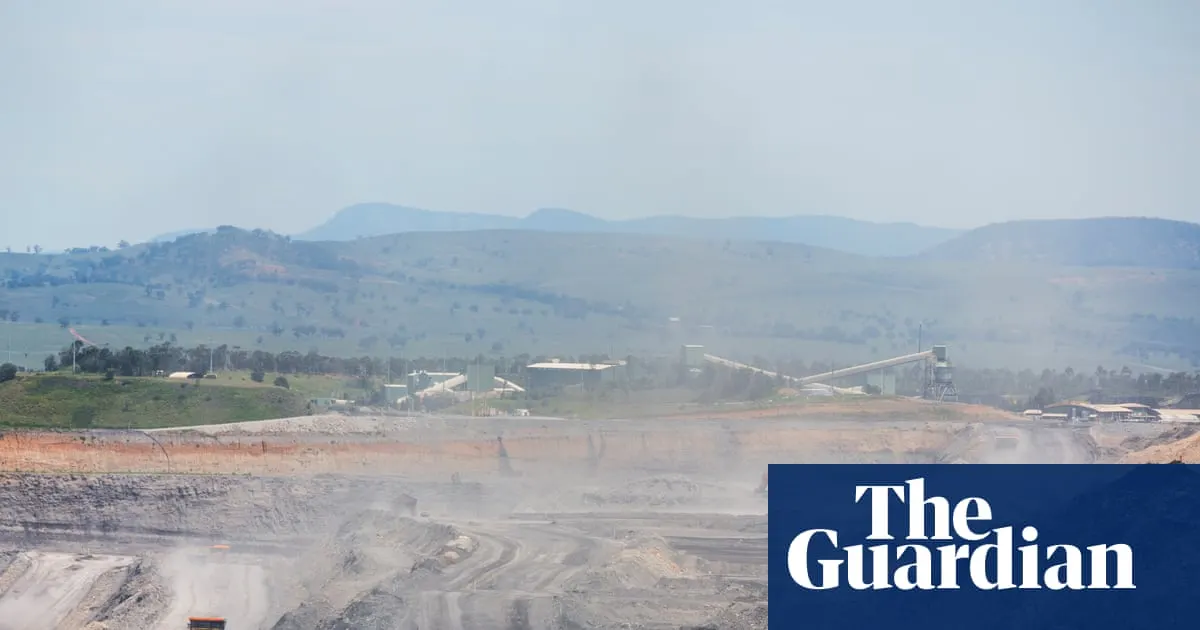
New South Wales has passed special legislation allowing the Mount Pleasant coalmine in the Hunter Valley to raise annual production by 32%, after a court ruling invalidated an earlier expansion approval. The decision matters because it overrides the usual planning process and has prompted concerns about legal precedent, emissions and the role of parliament.
The mine can now extract up to 16.5 million tonnes a year, up from 12.5 million, until 2032. The government says the change protects hundreds of jobs; critics say it is exceptional and dangerous, and Greens spokesperson Sue Higginson alleged it was intended to counter One Nation’s electoral challenge in the Hunter ahead of the March 2027 state election. The government and Coalition blocked almost 200 proposed amendments.
In short
- NSW passed a law raising Mount Pleasant mine output by 32%.
- The government says the measure protects hundreds of jobs.
- Critics cite legal precedent, emissions and election timing.
Steelman: both sides, in good faith
The strongest fair case each way — we don't pick a winner.
The case for
Supporters can argue that the law protects hundreds of local jobs and gives the mine certainty to operate within a defined production limit until 2032, after a court ruling invalidated its earlier expansion approval. Parliament may also be entitled to make a clear, site-specific decision when it judges the economic and regional benefits outweigh the costs, rather than leave the issue unresolved through further planning disputes.
The case against
Critics can argue that bypassing the usual planning process weakens legal safeguards and risks setting a precedent for future projects to receive special treatment through legislation. They may also question whether the jobs justify increased coal production and emissions, and whether the decision was shaped by electoral pressure rather than a consistent assessment of the public interest.
Government Politics Software Technology UK World