News, events and chat from Sheffield and South Yorkshire.
We cannot keep our council tax pledge, say Reform
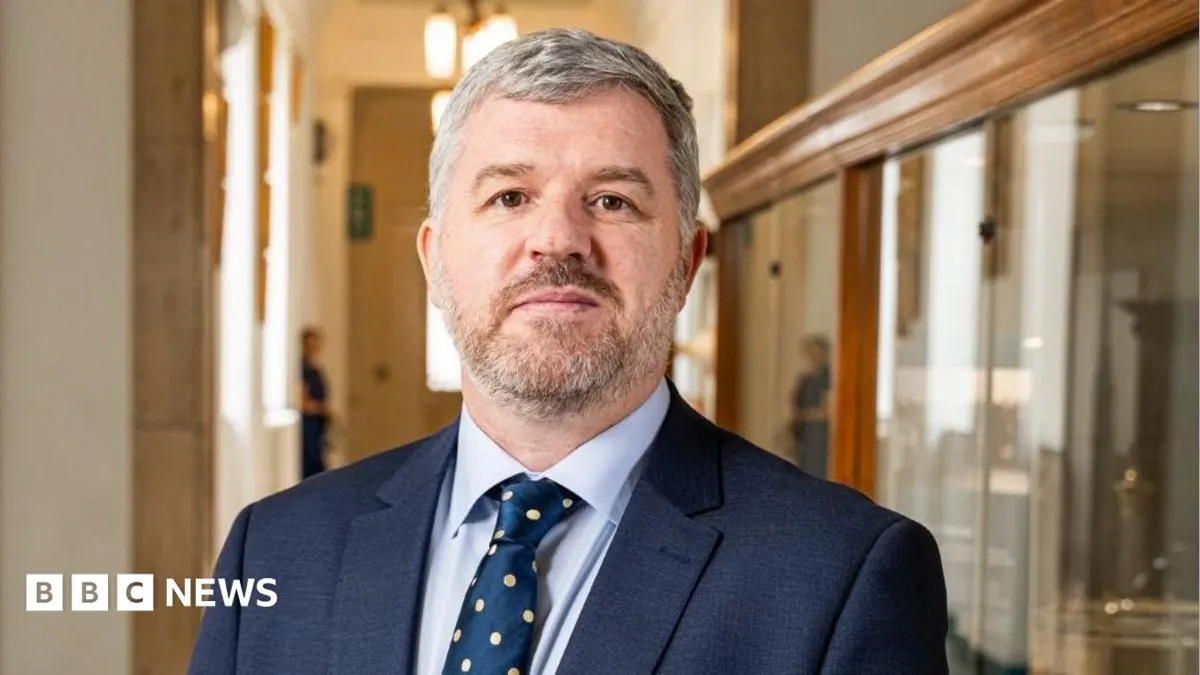
Reform UK’s Barnsley Council leader, William Brown, says the authority cannot honour the party’s campaign pledge to freeze council tax. After taking control in May, Reform reviewed the council’s finances and found a budget gap, with rising social care costs among the pressures; Brown says keeping tax as low as possible remains his aim.
Reform won 41 of the council’s 63 seats, ending 50 years of Labour leadership. Brown said social care accounts for 70% of the budget. He also discussed plans to repair vacant council homes and build more, the pressure to meet housing targets where more than 70% of Barnsley is green belt, and a proposed increase in his allowance, which still requires full council approval.
In short
- Barnsley Reform leader says a council tax freeze is not possible.
- Social care takes 70% of the council budget.
- The party won 41 of 63 seats in May.
Steelman: both sides, in good faith
The strongest fair case each way — we don't pick a winner.
The case for
Reform’s strongest case is that a pledge made during a campaign cannot override the council’s legal and practical duty to set a balanced budget. If rising social care costs and an inherited budget gap leave no credible savings sufficient to fund a freeze, a tax increase may be needed to protect essential services; Brown says keeping tax as low as possible remains his aim. Supporters may see acknowledging the shortfall and revising the pledge as more responsible than making cuts that damage services or relying on unrealistic figures.
The case against
Residents can reasonably argue that Reform won a large majority after campaigning on a clear promise to freeze council tax, so abandoning it risks undermining trust and leaves households facing higher bills. They may expect the new administration to examine efficiencies, priorities and other savings before asking residents to pay more, and to publish clear evidence explaining why a freeze is unaffordable. Given the proposed allowance increase also requires approval, critics may press the council to show that any increase in residents’ costs is matched by restraint and accountability from its leaders.
Explained simply
Barnsley Council provides local services such as social care and housing, funded partly by council tax paid by residents. Social care includes support for older and disabled people, and its costs can take up a large share of a council’s budget.
Reform UK won 41 of the council’s 63 seats in May, ending five decades of Labour leadership. William Brown became council leader, responsible for setting priorities and working with councillors to agree how the authority spends its money.
Barnsley also faces pressure to provide more homes, while much of the borough is designated green belt, where building is restricted. Decisions about council spending and housing affect local services, residents’ bills and the availability of homes.