World news and discussion on TalkFuse.
Isolated Indigenous group resurfaces in Brazil, raising fears over their survival
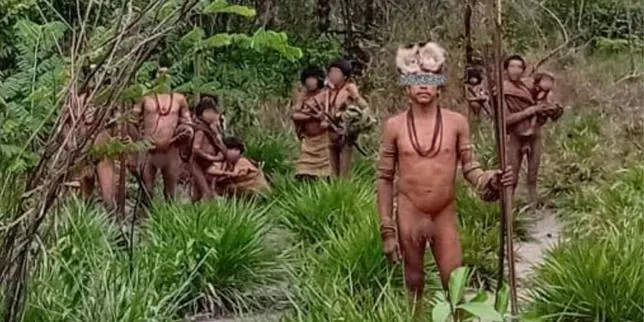
About 15 members of Brazil’s isolated Awa-Guaja Indigenous community briefly approached Guajajara people on 16 November, in the first reported encounter of its kind in the region for at least 50 years. Researchers say the approach may signal urgent pressure on the group’s survival, although its reasons remain unclear because the communities do not share a language.
The encounter took place in the 413,000-hectare Arariboia Indigenous Territory in Maranhão, where drought may have left the hunter-gatherers short of food; video showed them accepting yams. Researchers also fear land invasions by groups involved in logging, poaching and cattle ranching. Officials are taking precautions against disease transmission, which could be especially dangerous for people with little contact with outsiders.
In short
- Around 15 Awa-Guaja people emerged from isolation.
- The encounter may reflect drought or pressure on their land.
- Officials are taking steps to reduce disease risks.
Explained simply
The Awá-Guajá are an Indigenous people in Maranhão, in north-eastern Brazil. Some live in isolation, with little or no regular contact with outsiders, while other Indigenous communities in the area have contact with them.
Their forest home includes Arariboia Indigenous Territory, where Indigenous people have legal rights to the land. Logging, poaching and cattle ranching can put pressure on forests and the people who depend on them; drought can also make it harder to find food.
Contact with outsiders can expose isolated communities to infectious diseases to which they may have little immunity. Because the Awá-Guajá and neighbouring communities do not share a language, the reasons for any encounter may be difficult to establish.
Americas Research Science World