World news and discussion on TalkFuse.
‘A more expensive EU is not a better EU’: Austria’s Minister for Europe, Claudia Bauer
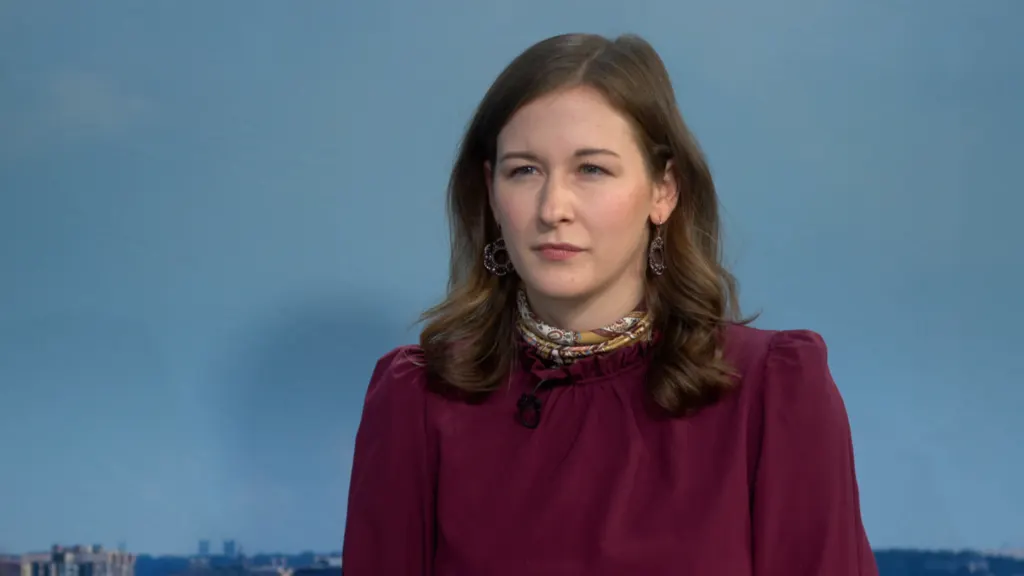
Austria’s Minister for Europe, Claudia Bauer, called for a more balanced EU budget, arguing that a larger budget would not necessarily make the Union better. Her comments highlight tensions over how the bloc should raise and spend money, alongside wider debates about competitiveness, enlargement and Europe’s security.
Bauer said nine of the EU’s 27 members are net contributors and together finance two-thirds of its budget. Austria is open to discussing new EU revenue sources, including taxes on digital services and cryptocurrencies, but does not see them as a complete solution and opposes a proposed EU corporate tax. She also backed Western Balkan enlargement while insisting that Ukraine and other candidates follow the same merit-based rules, and called for a lasting, fair peace in Ukraine and a more resilient European role in transatlantic relations.
In short
- Austria wants a more balanced EU budget.
- Bauer opposes a new EU corporate tax.
- EU candidates should face the same membership rules.
Steelman: both sides, in good faith
The strongest fair case each way — we don't pick a winner.
The case for
A larger EU budget could help the Union respond to shared challenges such as security, competitiveness and enlargement, and new revenue sources could spread the cost beyond national contributions. Supporters may argue that common investment can deliver more than separate national spending, provided funds are allocated effectively and accountably.
The case against
A larger budget does not by itself guarantee better results, and higher contributions can place a disproportionate burden on net contributors or taxpayers. Sceptics may favour tighter priorities and careful scrutiny of proposed EU taxes, arguing that new revenue should not substitute for clear evidence that additional spending serves shared needs.
Explained simply
The European Union is funded by contributions from its member countries, alongside other sources of revenue. Some countries pay more into the common budget than they receive back in EU spending; these are known as net contributors. EU governments debate how large the budget should be and how to raise and allocate the money.
The EU budget supports shared priorities, while member states retain control over much of their own taxation and spending. The Union also sets conditions for countries seeking to join, including reforms that candidates must meet. Enlargement, support for Ukraine and Europe’s security ties with the United States are among the wider issues shaping discussions about the EU’s future.
Europe Government Politics World