World news and discussion on TalkFuse.
EU sports chief lambasts FIFA, International Olympic Committee, as ‘main architects that support the Kremlin’
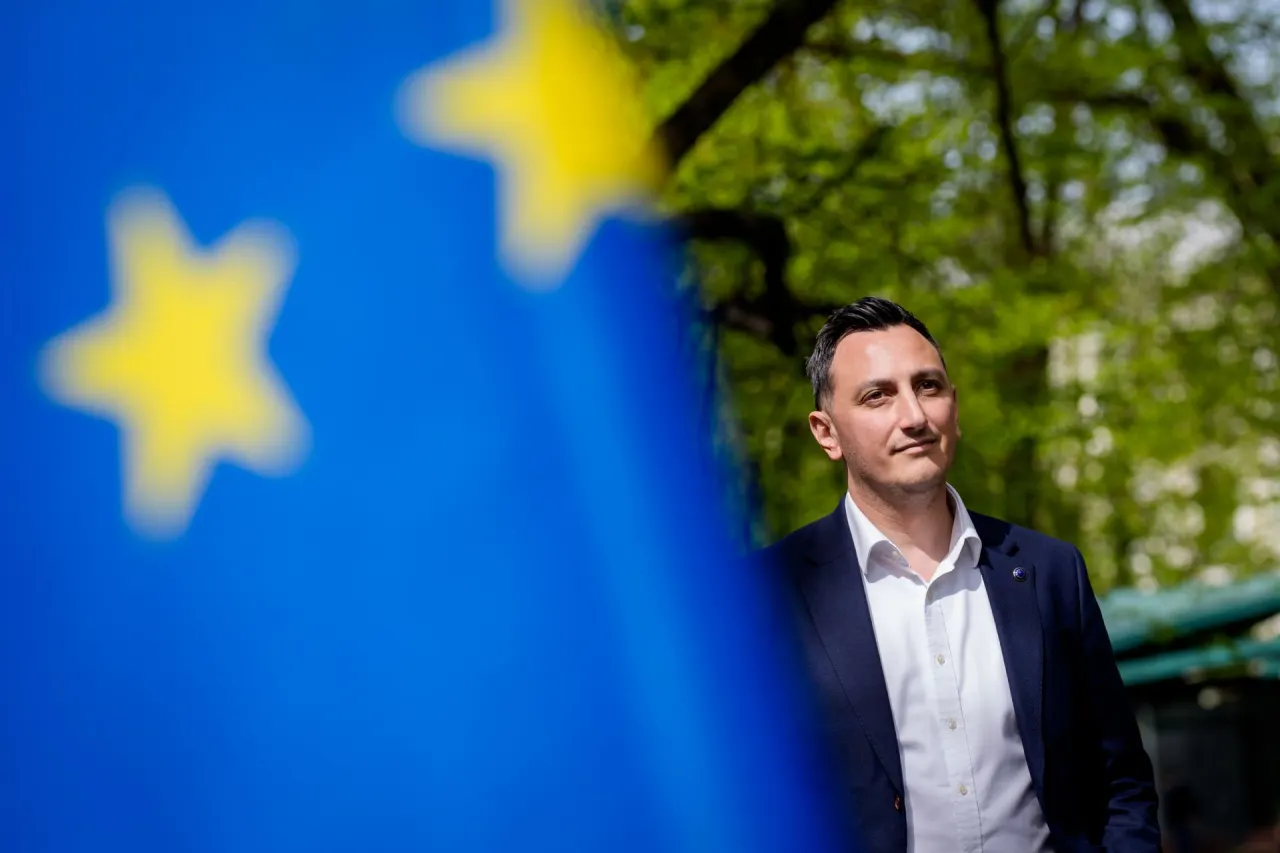
EU Sports Commissioner Glenn Micallef accused FIFA and the International Olympic Committee (IOC) of helping support the Kremlin by allowing Russia to return to international sporting events. He said Russia’s war against Ukraine continues, making the IOC’s change of position wrong, and called for the bodies’ leaders to explain their decisions publicly.
Speaking in Brussels on 20 November, Micallef named IOC president Kirsty Coventry and FIFA president Gianni Infantino, and questioned how the IOC’s stance changed in mid-July. He said the EU is restricting funding for sports organisations working with Russia and developing further sanctions and visa guidance. Officials expect sport-related measures in the European Commission’s 22nd sanctions package, due on 23 November.
In short
- Micallef blamed FIFA and the IOC for Russia’s return to sport.
- He called for their leaders to explain their decisions.
- The EU is preparing further sport-related restrictions.
Steelman: both sides, in good faith
The strongest fair case each way — we don't pick a winner.
The case for
Allowing Russian athletes to compete could uphold the principle that sport should remain open to individuals, rather than punish them collectively for their government’s actions. International bodies may also argue that participation under clear conditions can preserve fair competition and dialogue, while excluding a country risks politicising sport and limiting athletes’ rights.
The case against
Russia’s continuing war against Ukraine gives sporting organisations reason to consider whether normal participation would confer legitimacy or provide a platform for state influence. Critics may argue that reinstatement without credible safeguards or accountability undermines solidarity with Ukrainians and weakens the pressure intended to deter aggression.
Explained simply
FIFA runs international football, while the International Olympic Committee oversees the Olympic Games and sets rules for Olympic competition. Both organisations make decisions about whether athletes and teams can take part in events, including when a country is at war.
Russia launched a full-scale invasion of Ukraine in 2022, and the war is continuing. Since then, sporting bodies have faced questions about whether Russian athletes should compete, under what conditions, and whether restrictions should apply to national teams as well as individuals.
The European Union is a political and economic group of European countries that has imposed sanctions on Russia over the war. Its sports commissioner, Glenn Micallef, speaks for the EU on sports policy; FIFA and the IOC are independent international organisations led by Gianni Infantino and Kirsty Coventry.
Europe Football Geopolitics Politics Sport World