Technology news and discussion on TalkFuse.
Mounting tech disruptions raise concerns about U.S. cybersecurity
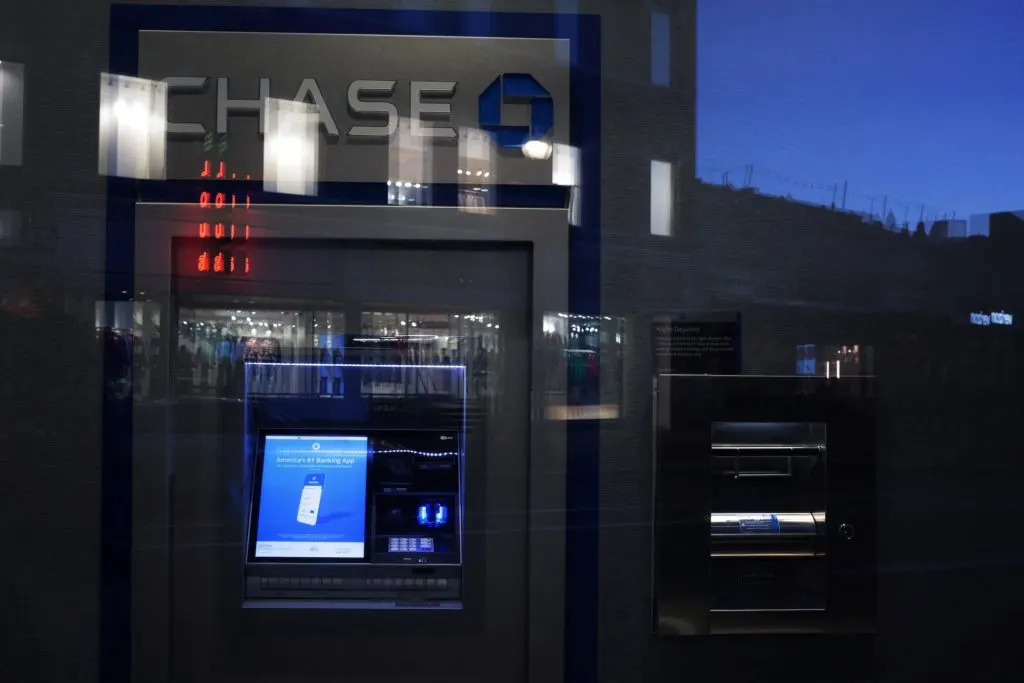
Several major US technology networks suffered brief outages within days, affecting Microsoft email, nationwide flight operations, banking transactions and an internal NSA communications network. Officials said the disruptions were not deliberate attacks; former US cybersecurity chief Chris Krebs said they appear to have resulted from software bugs and the patches used to fix them, highlighting how one failure can affect essential services.
Krebs said advanced AI tools are helping security teams find software vulnerabilities quickly, as attackers also begin using AI. Rapidly applying many patches can destabilise networks, he said, though the outages were short-lived and unlike the prolonged disruption expected from a major cyberattack. The article also notes that President Trump replaced the country’s top cybersecurity official.
In short
- Outages briefly affected major US technology and public services.
- Officials said the disruptions were not cyberattacks.
- AI-driven vulnerability fixes may create risks of their own.
Steelman: both sides, in good faith
The strongest fair case each way — we don't pick a winner.
The case for
The outages show how software defects and rushed patches can ripple across services people rely on, making stronger testing, careful change management and resilient backup systems a matter of public safety. As AI helps both defenders and attackers find vulnerabilities faster, supporters of this view would argue that agencies and companies need sustained investment and coordination to reduce risks before a failure becomes a serious disruption.
The case against
Brief outages caused by bugs and corrective patches are not evidence of a major cyberattack or a collapse in national security; officials said the disruptions were not deliberate, and services recovered quickly. A measured response can preserve the benefits of timely security updates and avoid treating routine technical incidents as proof of systemic failure, while assessing the replacement of the cybersecurity chief on its own evidence.
Explained simply
US technology networks support services people use every day, including email, banking and air travel. Many organisations rely on a small number of software providers, so a fault in one system can affect services across the country.
Cybersecurity teams try to find and fix weaknesses in software before criminals or hostile governments can exploit them. New artificial intelligence tools can help both defenders and attackers find those weaknesses faster, while rushed software updates can sometimes cause problems of their own.
The US government has agencies and senior officials responsible for protecting public networks and advising private companies. Changes to the country’s top cybersecurity leadership matter because that role helps shape how the government prepares for and responds to digital threats.
AI Cybersecurity Government Politics Technology