World news and discussion on TalkFuse.
Long-hidden ‘Bigfoot’ files finally released by Washington officials
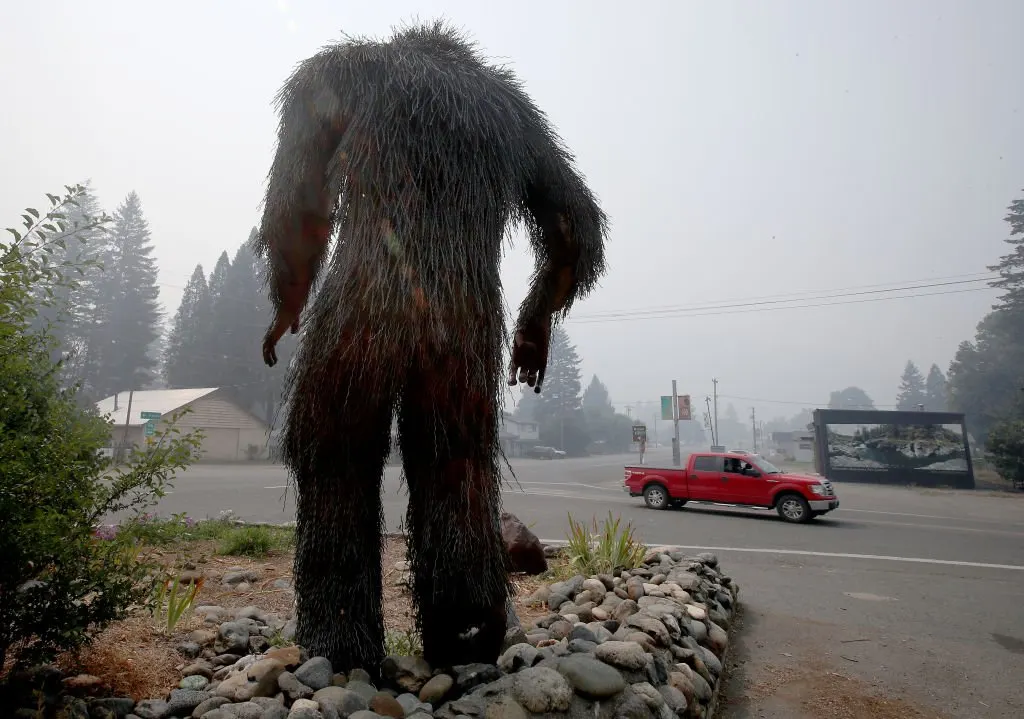
Washington has released three previously locked away US Forest Service files about alleged Bigfoot encounters, with accounts dating back to 1941. Their publication adds to a wider government push to disclose records about unexplained phenomena, though the documents do not establish that Bigfoot exists.
One file recounts hunters in Montana finding an elk carcass stripped of its entrails, unusually large tracks, a strong smell and grunting sounds. Another describes 15-inch-long footprints found in Washington state: a US tracker called them a hoax, while an anthropology professor argued they would be difficult to fake. Separately, a released report on a 2010 Utah investigation said tested fur came from a dog and a raccoon, and investigators attributed the reports to local folklore; a 2021 survey found nearly a quarter of Americans believe Bigfoot is real.
In short
- Washington released three Forest Service files on alleged Bigfoot encounters.
- The accounts include large tracks and unexplained sounds.
- Investigators judged some reported evidence to be a hoax or folklore.
Steelman: both sides, in good faith
The strongest fair case each way — we don't pick a winner.
The case for
Releasing the files gives the public access to historical records and lets people assess the accounts and investigators’ conclusions for themselves. Advocates of disclosure may also argue that unusual reports deserve transparent scrutiny, even when the evidence is inconclusive, and that public interest in the subject makes the records worth preserving.
The case against
The files may add little reliable evidence: they contain unverified accounts, conflicting assessments of tracks and, in one investigation, fur identified as coming from known animals. Critics may argue that presenting such material as part of a government disclosure effort risks giving folklore undue weight when the documents do not establish that Bigfoot exists.