World news and discussion on TalkFuse.
Venezuela cannot wait for Rubio to become president
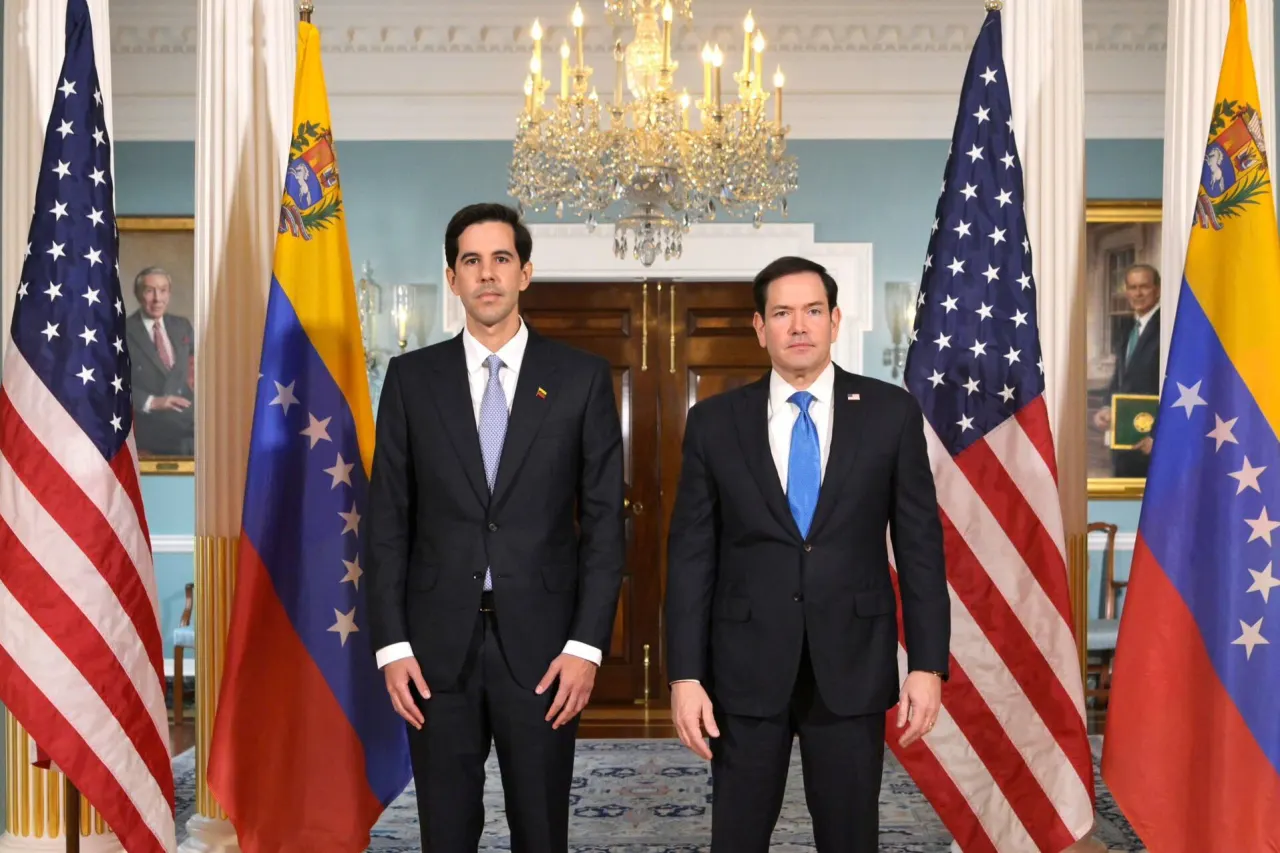
The article argues that Venezuela’s political transition should move faster, and that US Secretary of State Marco Rubio has both the influence and political incentive to press for progress. After Nicolás Maduro was captured on 3 January, Rubio became a key strategist for the transition, but the plan’s focus on stability and economic recovery before democracy risks delaying Venezuelans’ demand for political change.
Rubio has outlined a sequence: renew the Supreme Tribunal of Justice by mid-December, appoint a new National Electoral Council soon afterwards, then declare the presidency vacant, triggering a six-month period for elections. Opposition negotiator Dinorah Figuera has tied these institutional changes to free and fair elections, but the article says new appointments alone will not ensure that. It calls for restoring political rights, including lifting bans on María Corina Machado and other opposition figures, and bringing Machado’s movement into negotiations.
In short
- Rubio’s Venezuela roadmap sets out institutional changes before elections.
- The article argues political rights must be restored for credible elections.
- Machado’s absence from negotiations is a central concern.
Steelman: both sides, in good faith
The strongest fair case each way — we don't pick a winner.
The case for
Venezuela’s transition should move quickly towards credible elections because delay risks entrenching the existing power structure and deepening public frustration. Replacing judicial and electoral authorities is not enough if opposition leaders remain barred and political rights are restricted; including Machado’s movement and restoring those rights would make the process more representative and its results more credible.
The case against
A gradual transition that prioritises stability and economic recovery may reduce the risk of renewed conflict or institutional breakdown after Maduro’s capture. Rebuilding institutions and negotiating appointments before setting an election timetable could help create conditions in which a vote is workable and accepted, while pressing too quickly for political change may unsettle that process.
Explained simply
Venezuela has been governed by Nicolás Maduro’s government amid a long-running dispute over political legitimacy and election fairness. The opposition includes María Corina Machado and other figures who have faced restrictions on taking part in politics; its negotiators include Dinorah Figuera.
After Maduro’s capture, US Secretary of State Marco Rubio became an influential figure in discussions about Venezuela’s transition. The process involves changes to the country’s courts and election authorities, which help shape how elections are run and how disputes are handled.
The timing and conditions for new elections matter because institutional changes alone do not determine who can campaign or whether voters have a genuine choice. The transition also affects Venezuela’s political stability and its economic recovery.
Americas Government Politics World