Business news and discussion on TalkFuse.
UK savers face eroding returns as inflation outpaces account interest
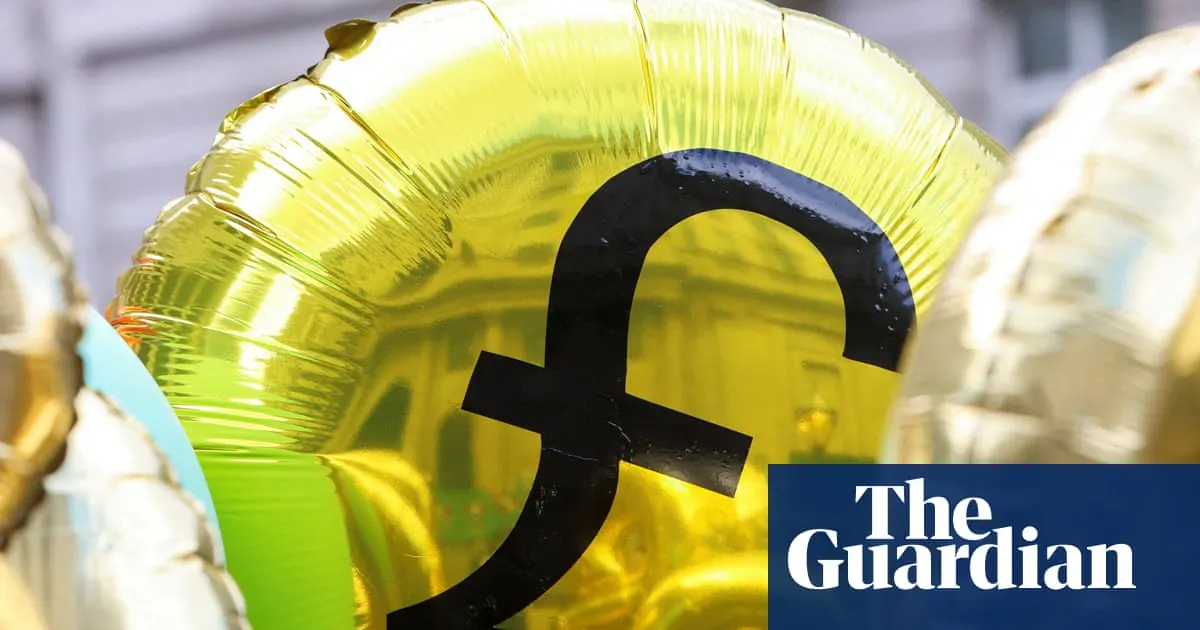
UK inflation reached 3.6% in October and is forecast by the Bank of England to rise to about 5% by mid-2027, as higher energy prices feed through to bills. The article explains that savings can lose purchasing power when their interest rate falls below inflation, even if the account balance grows, and outlines ways to limit that loss.
Moneyfacts says 1,649 savings accounts pay more than 3.6%, including fixed-rate bonds, easy-access accounts and cash Isas, though some of the highest rates require locking money away for several years. On £10,000, a one-year bond paying 5.21% would provide £521 in interest and an estimated £161 real return after inflation; at 2%, the real return would be a loss of about £160. Tax also affects the rate needed to keep pace: 4.5% for a basic-rate taxpayer and 6% for a higher-rate taxpayer at 3.6% inflation.
In short
- UK inflation was 3.6% in October.
- Savings rates below inflation reduce spending power.
- Tax and access terms affect which account suits you.
Explained simply
Inflation is the rate at which prices rise over time, while interest is what a bank or building society pays on savings. If prices rise faster than an account earns interest, the money may buy less in future even though the balance has grown.
UK savers can choose between accounts that let them withdraw money easily and fixed-rate bonds that hold money for an agreed period. Cash Isas are savings accounts where interest is usually tax-free; interest in other accounts may be taxable, depending on a person’s circumstances.
The rate needed to keep up with rising prices therefore depends on both inflation and tax. Choosing an account can involve weighing its rate against how long the money must stay put and when it may be needed.
Read the full article at the source →
Originally published by The Guardian as “‘Like an invisible stealth tax’: ways to shield your cash from UK inflation”.