Politics news and discussion on TalkFuse.
Gove says Burnham’s EU deal would curb British policy freedom
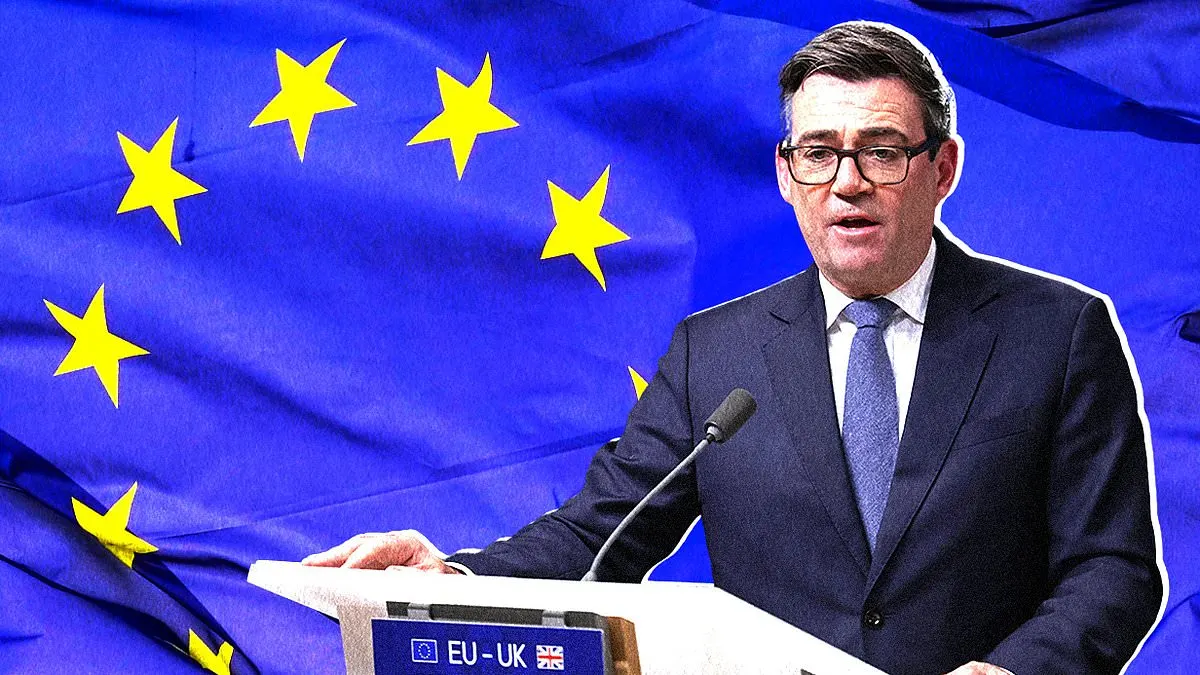
Michael Gove argues that Andy Burnham’s agreement with the EU would pull Britain back towards EU rules and migration, limiting its ability to set policy and pursue economic growth. He presents the deal as a rejection of the UK’s post-2016 independence and says it risks weakening Britain’s position in emerging industries.
Gove says the agreement would require “dynamic alignment”, meaning Britain would adopt many EU rules without a veto, with disputes interpreted by a European court. He highlights gene editing and precision breeding in agriculture as areas where the UK could lose flexibility, and contrasts the deal’s claimed potential £17 billion economic gain with Anthropic’s reported $80 billion share sale and $1.5 trillion valuation. These are arguments and figures presented by Gove in the article.
In short
- Gove says the EU deal would limit Britain’s freedom to set rules.
- He warns that agriculture and emerging industries could lose flexibility.
- He contrasts its claimed £17 billion gain with Anthropic’s $1.5 trillion valuation.
Steelman: both sides, in good faith
The strongest fair case each way — we don't pick a winner.
The case for
Closer alignment with the EU could reduce regulatory friction, support trade and investment, and produce economic gains of the kind the agreement’s advocates claim. Accepting shared rules and dispute procedures may be a reasonable price for more predictable access to the European market, while cooperation could also help address cross-border issues such as migration.
The case against
Dynamic alignment could limit Britain’s ability to change rules independently, especially if it must follow future EU standards without a veto and accept external adjudication of disputes. That constraint may narrow options in areas such as gene editing and precision breeding, and could make it harder to tailor policy to emerging industries or respond quickly to new economic opportunities.
Explained simply
The UK left the European Union in 2020, giving its government more freedom to set domestic rules. Since then, politicians have debated whether closer ties with the EU could make trade and cooperation easier, and what limits such ties might place on that freedom.
Michael Gove is a Conservative politician and former cabinet minister; Andy Burnham is Labour’s mayor of Greater Manchester. Dynamic alignment means keeping UK rules in step with EU rules as they change, which can affect who decides those rules and how disagreements are settled.
Gene editing and precision breeding are methods used to develop crops with particular traits. Rules in this area can influence agricultural research and businesses, while wider agreements with the EU can also affect trade and migration arrangements.
Elections Europe Politics UK World
Read the full article at the source →
Originally published by Daily Mail as “MICHAEL GOVE: Burnham’s EU surrender is an error of historic dimensions – and a blatant finger-flick to British voters”.