New releases, music videos and album news — indie, rap, rock and pop. Always covering Ren, Chris Webby, Sam Tompkins, bbno$, CHINCHILLA, Muse, Yungblud and more.
In 1983, Sting broke up The Police. He never bothered telling anyone
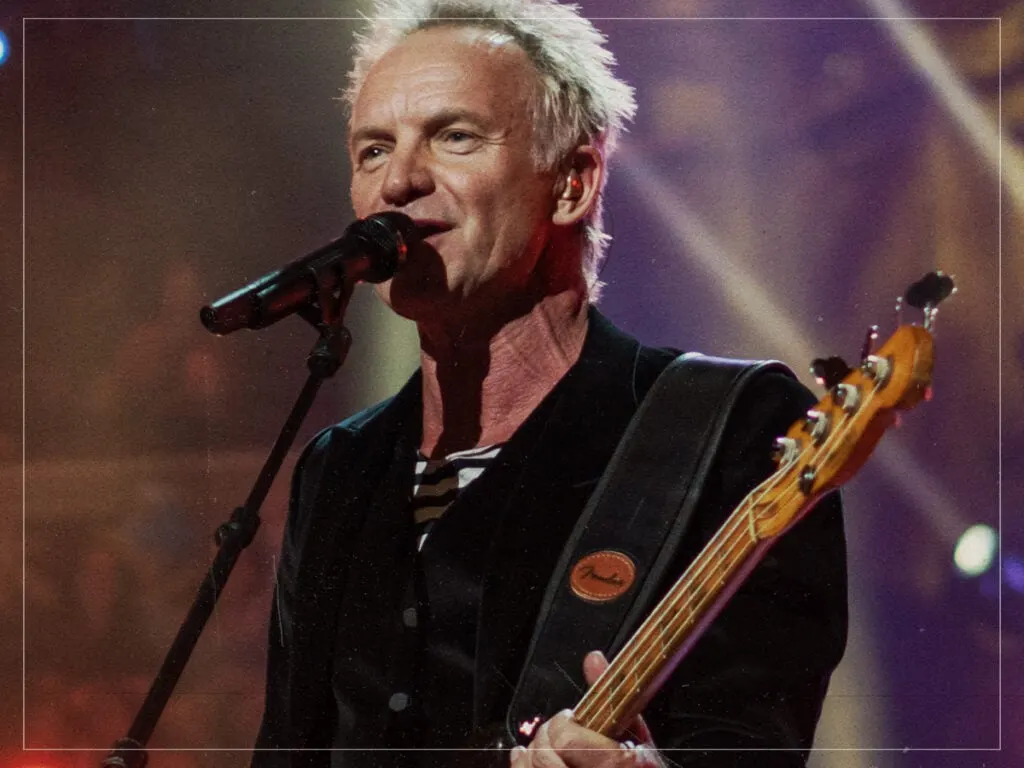
The Police began to fall apart around the making of *Synchronicity*, as disagreements grew over how songs should be played and the band members’ relationships became strained. Sting later said he did not consider the group to have officially broken up: he felt it was time to make a solo album and explore a different musical direction.
Sting’s solo debut, *The Dream of the Blue Turtles*, became a major success, and his later catalogue included hits such as ‘Fields of Gold’ and ‘Russians’. The Police reunited for a tour in 2007, without making a comeback album or committing to ongoing touring; the article notes that Sting has not ruled out another return.
In short
- The Police’s tensions peaked around *Synchronicity*.
- Sting says he never considered the band officially broken up.
- The group reunited for a tour in 2007.
Steelman: both sides, in good faith
The strongest fair case each way — we don't pick a winner.
The case for
Sting could reasonably see the band as having reached a natural pause rather than having formally ended: the members were increasingly at odds, and he wanted to explore music beyond The Police. A successful solo career and a later reunion tour suggest that pursuing his own direction did not prevent him from valuing the band or returning to it.
The case against
The other members and the group’s supporters could reasonably regard Sting’s move into a solo career as an effective break-up, whatever label he used. When a band’s future depends on shared decisions, stepping away without clearly telling the others risks leaving them uncertain and unable to decide together what comes next.
Explained simply
The Police were a British rock band made up of Sting, guitarist Andy Summers and drummer Stewart Copeland. They became one of the most successful groups of the late 1970s and early 1980s, with songs including “Roxanne” and “Every Breath You Take”.
Their final studio album, Synchronicity, was recorded as tensions grew over musical choices and the members’ relationships. Sting went on to build a successful solo career, while the band later reunited for a tour in 2007. The group’s history matters because its members’ different accounts of when it ended shape how its split and later reunion are understood.