Entertainment news and discussion on TalkFuse.
In the early 1970s, Ritchie Blackmore thought one “pathetic” singer was ruining music. He later became Britain’s greatest-ever solo artis
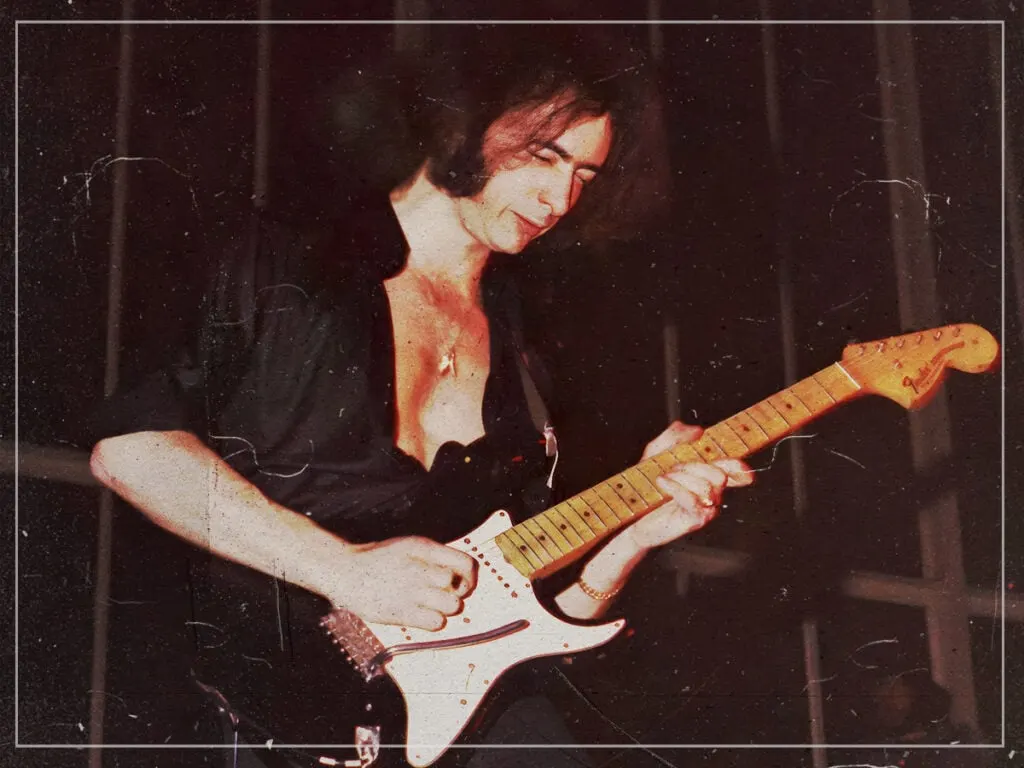
Ritchie Blackmore condemned David Bowie’s music in the mid-1970s, calling him “pathetic” and dismissing glam rock as false. His criticism mattered within Deep Purple too: he opposed bassist Glenn Hughes singing backing vocals on Bowie’s *Young Americans*, citing the effect on the band’s image.
Blackmore made the remarks as Bowie was moving on from his Ziggy Stardust persona and developing new musical identities. Hughes, who was friends with Bowie, later said he was frustrated by Blackmore’s objection and wanted to record with him. The article frames the episode as an example of Blackmore’s outspoken dislike of artists whose work he considered inauthentic.
In short
- Blackmore called Bowie “pathetic” in 1974.
- He opposed Glenn Hughes singing on *Young Americans*.
- Hughes later said he wanted to work with his friend Bowie.
Steelman: both sides, in good faith
The strongest fair case each way — we don't pick a winner.
The case for
Blackmore could reasonably argue that glam rock’s theatrical personas and shifting identities risked making music feel contrived, and that a band’s image and artistic direction deserved protection. From that perspective, objecting to Hughes’s backing vocals reflected a sincere concern about Deep Purple’s identity, even if his language was blunt.
The case against
Bowie’s reinvention and theatricality could be understood as deliberate artistic experimentation rather than falsehood, allowing him to explore different sounds and characters. Hughes’s wish to sing on Young Americans reflected the value of musical collaboration and personal friendship, while Blackmore’s objection may have constrained that opportunity to protect the band’s image.
Explained simply
Ritchie Blackmore is a British guitarist best known for playing with Deep Purple, a hard rock band formed in the late 1960s. David Bowie was a singer and songwriter who became known for changing his musical style and public image, including his Ziggy Stardust character.
Glenn Hughes joined Deep Purple as its bassist and also sang. In the mid-1970s, Bowie was making music with other performers as he moved beyond the Ziggy Stardust period. The episode reflects a disagreement over musical taste and how a band’s image could shape decisions about its members’ work.