World news and discussion on TalkFuse.
Indian Auteur Girish Kasaravalli Looks Back on 50 Years of Cinema at IFFI Masterclass: ‘All My Films Talk About Othering’
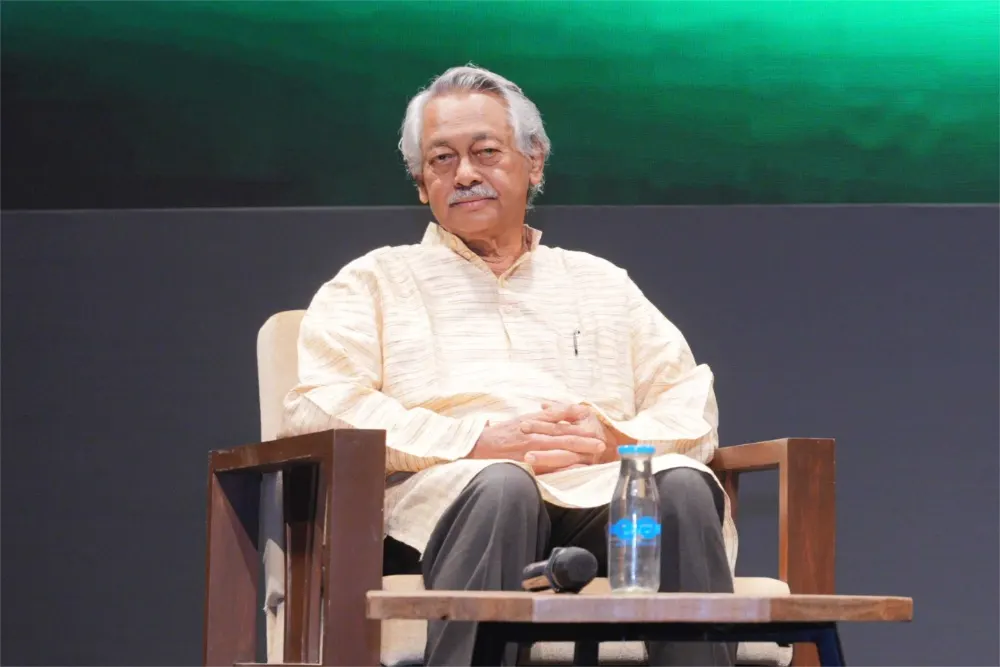
Girish Kasaravalli reflected on five decades of Kannada-language filmmaking at a masterclass at the 57th International Film Festival of India in Goa. He said his films repeatedly examine how societies exclude people, and argued that all cinema, including entertainment, makes a political statement by either supporting or challenging dominant ideas.
Discussing films including *Ghatashraddha* (1977) and *Gulabi Talkies* (2008), Kasaravalli said a film’s visual style should grow from its subject and give audiences an experience, rather than simply make statements. He described shaping images around characters and their surroundings, and backed film aesthetics rooted in local conditions rather than Western ideas of cinematic perfection. He also rejected the view that parallel cinema belongs only to a past era, pointing to acclaimed films made today.
In short
- Kasaravalli says all cinema carries a political meaning.
- His films explore exclusion and social complicity.
- He argues film style should reflect local life.
Explained simply
Girish Kasaravalli is an Indian film director best known for making films in Kannada, a language spoken mainly in the southern state of Karnataka. His career spans five decades, and films such as *Ghatashraddha* and *Gulabi Talkies* explore people’s lives within their communities.
Kasaravalli has said his films examine “othering”: the ways people or groups are treated as outsiders. He sees cinema as political because films can reinforce or question the ideas that shape society, including when they are made for entertainment.
His views also touch on how films should look and feel. He argues that visual choices should suit a film’s subject and local setting, and that serious, independent filmmaking continues today rather than belonging only to the past.