World news and discussion on TalkFuse.
California’s coastal cities battered by rising sea levels and vanishing beaches
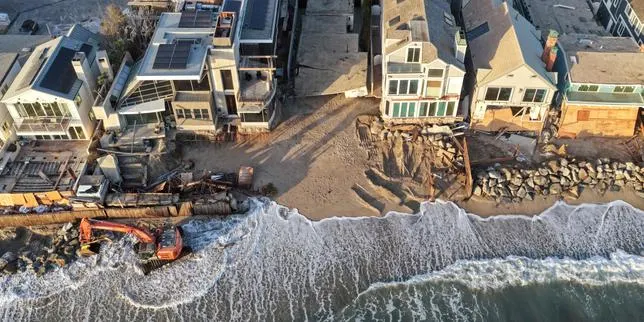
Rising seas, powerful waves and shrinking beaches are damaging southern California’s coastal communities, threatening homes, transport links and tourism. An unusually strong El Niño is expected to heighten flooding and erosion risks over the coming winter, adding to the longer-term effects of climate change.
In Dana Point, 10 of 189 beachfront homes were declared uninhabitable and another dozen require urgent repairs; one homeowner estimated stabilisation work at about $80,000. A sea-level rise of around 15 centimetres this year, Pacific storms and king tides have compounded the damage. Other towns are reinforcing shorelines or adding sand, while a proposed San Clemente tax for prevention measures was rejected by two-thirds of voters.
In short
- Southern California beaches and homes face worsening coastal erosion.
- Ten Dana Point homes have been declared uninhabitable.
- A powerful El Niño is expected to increase winter flood risks.
Explained simply
Southern California’s coast is home to houses, roads, rail links and businesses that depend on beaches and visitors. Sea levels rise as oceans warm and expand, while waves and storms can wear away sand and land along the shore.
Local authorities and residents have tried measures such as reinforcing shorelines and adding sand, but these can be costly and may need repeating. Decisions about paying for protection involve homeowners, businesses and taxpayers, and can affect both access to beaches and nearby property.
The issue matters because flooding and erosion can damage homes and transport, disrupt tourism and force residents to leave unsafe buildings. The risks reflect both local weather and longer-term changes in sea level.