Politics news and discussion on TalkFuse.
Senate Deal Could Leave Future Administrations A Way To Kill Approved Pipelines, Conservatives Warn
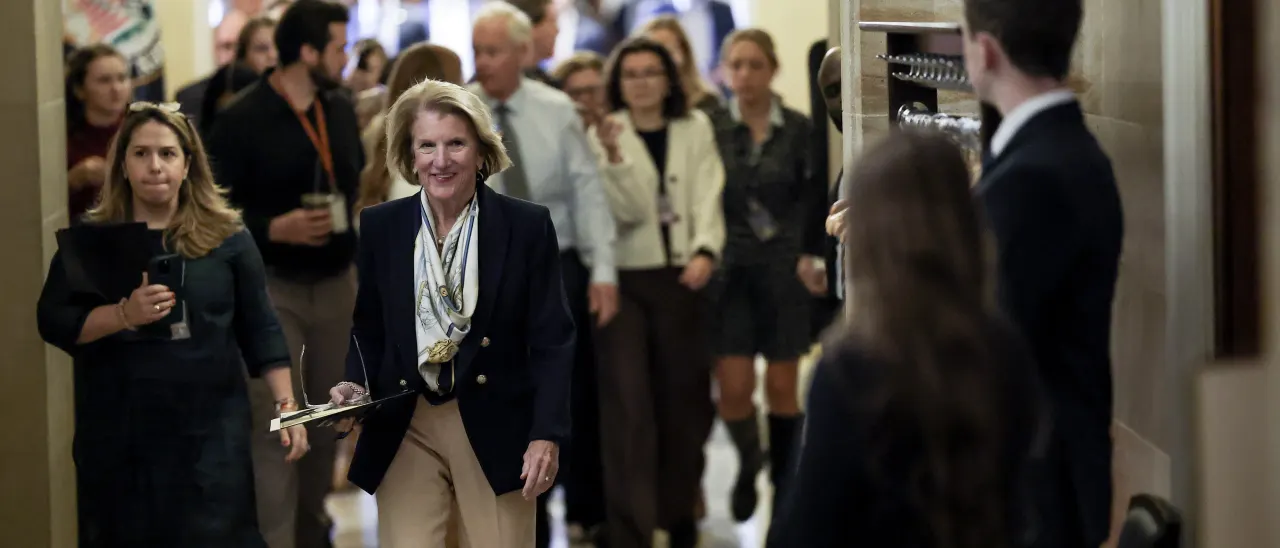
The Senate passed a bipartisan permitting overhaul by 62 votes to 33 and sent it to the House. Heritage Foundation analysts warn that changes made to the bill could let future administrations revoke or alter approved pipeline permits by citing risks to human health or the environment, potentially weakening the certainty the legislation is meant to provide.
The bill generally limits agencies’ ability to withdraw, pause or materially change permits for projects with non-federal sponsors once federal approvals are complete. A 7 November amendment added an exception for preventing immediate, specific and substantial harm, as well as a separate exception for action required under applicable laws or regulations. A spokesperson for Republican Senator Shelley Moore Capito said the word “immediate” restricts intervention to urgent dangers; Heritage analyst Sarah Wagoner said the wording could be applied differently by successive administrations. The article cites President Joe Biden’s 2021 withdrawal of the Keystone XL permit as an example of the policy reversals the bill aims to prevent.
In short
- The Senate passed a permitting overhaul by 62 votes to 33.
- Heritage analysts warn exceptions could leave pipeline permits vulnerable.
- Capito’s office says agencies could act only to prevent immediate harm.
Steelman: both sides, in good faith
The strongest fair case each way — we don't pick a winner.
The case for
The bill aims to make federal approvals more reliable, so projects and investors can plan around permits that agencies have already granted. Supporters can argue that the exception is narrowly drawn: intervention must address immediate, specific and substantial harm, or be required by law, and “immediate” limits its use to urgent dangers. They may see this balance as protecting both project certainty and the government’s duty to respond to serious risks.
The case against
Critics can argue that the exceptions leave future administrations room to reinterpret what counts as immediate harm or action required by law, making permits less durable than the bill promises. Because successive administrations may assess health and environmental risks differently, that uncertainty could deter investment and allow policy reversals resembling the Keystone XL decision. They may also question whether the exceptions are sufficiently precise to prevent agencies from using them to undo completed approvals.
Explained simply
Federal permits allow projects such as pipelines to cross land or water under national rules. They are issued by government agencies, and changes in policy can affect whether a project goes ahead. In 2021, President Joe Biden withdrew the permit for the Keystone XL pipeline.
Republican Senator Shelley Moore Capito and other senators backed a bill to make federal approvals harder to withdraw or change once granted. It now includes exceptions for urgent, substantial harm and for action required by law or regulation. These provisions matter because they set how much certainty project sponsors can expect, while preserving some grounds for government intervention.