Politics news and discussion on TalkFuse.
Federal Judge Rules Agriculture Secretary’s Christmas, Easter Emails Violated First Amendment
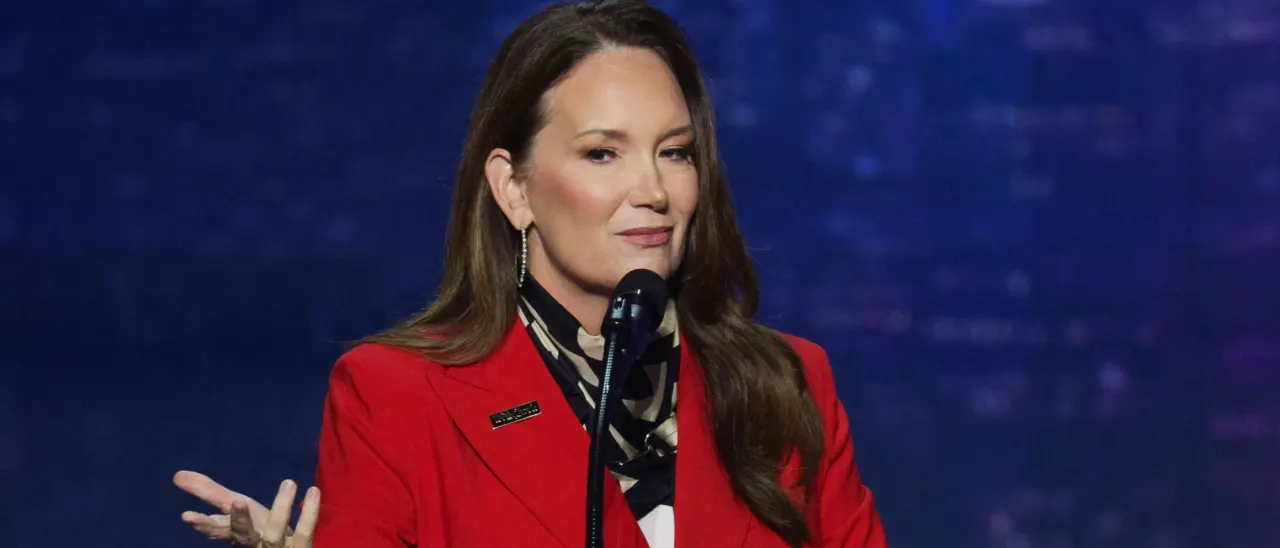
A federal judge has temporarily barred Agriculture Secretary Brooke Rollins from sending religious holiday messages to the entire US Department of Agriculture workforce. Judge Trina Thompson found the Christmas and Easter emails likely crossed a constitutional boundary by using the secretary’s authority in a way that could pressure staff to accept her Christian beliefs.
The emails were sent from Rollins’s official account, and the Easter message referred to God granting “victory and new life”; a pre-Christmas video described Jesus as a saviour. The National Federation of Federal Employees and seven workers, including Jewish, Buddhist, pagan and atheist staff, filed suit in May, saying the messages made them feel excluded. Thompson rejected the argument that employees could simply ignore them, dismissed related claims under the Administrative Procedure Act, and said Rollins remains free to practise her faith privately.
In short
- Judge blocks Rollins from sending religious holiday emails to USDA staff.
- Seven workers and a federal employees’ union brought the case.
- The ruling leaves Rollins free to practise her faith privately.
Steelman: both sides, in good faith
The strongest fair case each way — we don't pick a winner.
The case for
A senior official’s religious messages sent through an official account to the whole workforce can carry the weight of government authority, even without an explicit demand to agree. Staff from other faiths or no faith may reasonably feel that Christian beliefs are being presented as institutionally endorsed, so limiting such messages protects religious freedom and equal treatment at work.
The case against
Public officials retain their own religious freedom, and a message marking major holidays may be intended as personal expression or seasonal goodwill rather than an attempt to proselytise. Restricting such communications could chill sincere expression by officials and treat religious content more harshly than comparable messages about other beliefs or traditions, particularly if employees were free to disregard them.
Explained simply
The First Amendment to the US Constitution protects religious freedom and limits government from promoting or restricting religion. Those protections apply in federal workplaces, where officials have authority over employees.
The US Department of Agriculture is a federal agency, and its secretary leads it. Brooke Rollins is the secretary; the National Federation of Federal Employees is a union representing government workers. The dispute concerns how a senior official’s religious expression may affect staff with different beliefs.
The case matters because federal employees depend on government officials for workplace decisions, so messages from a leader can carry more weight than private expressions of faith. It also raises questions about how to protect both religious freedom and employees’ ability to work without feeling pressured to share a belief.