Politics news and discussion on TalkFuse.
Schumer’s opposition to 2018 Iran nuke deal weaponized in Senate leadership race
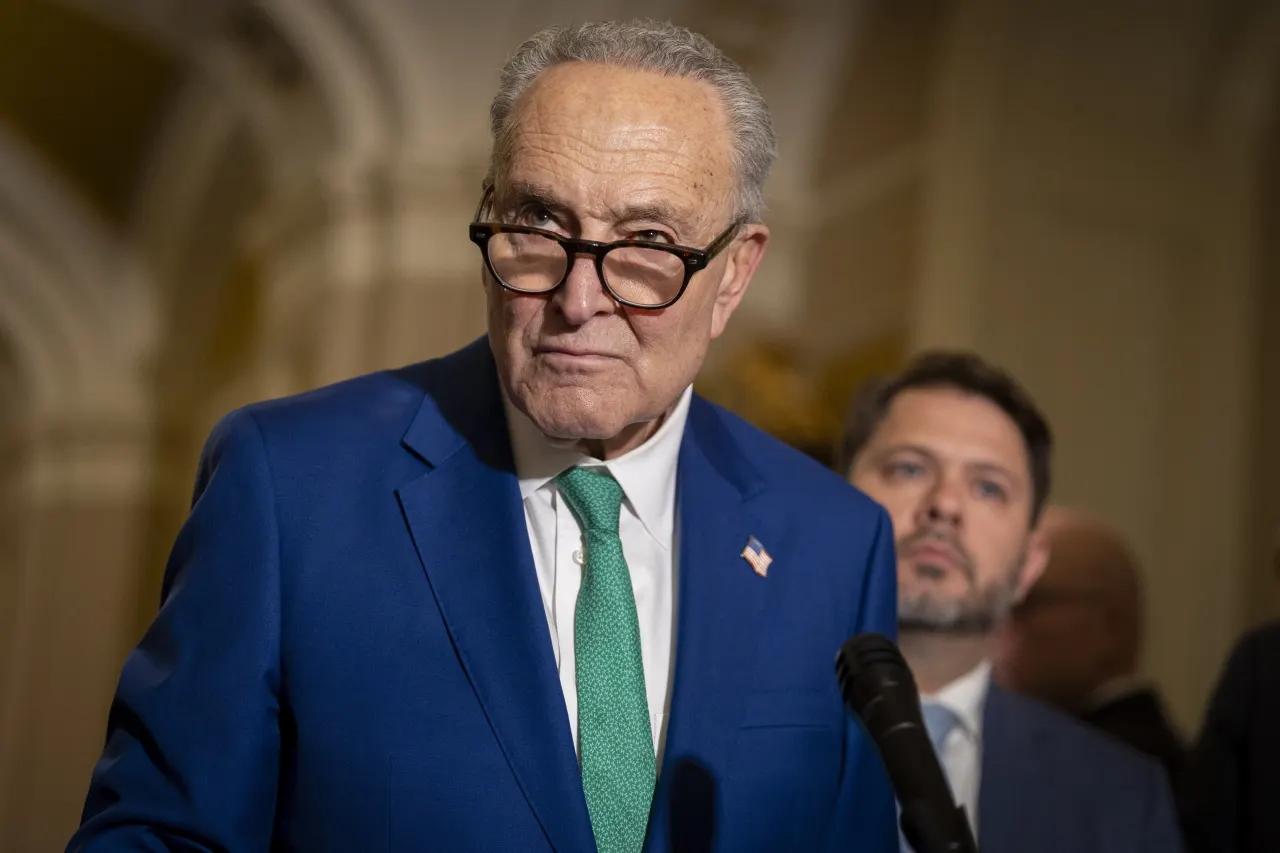
Senator Chris Van Hollen is using Senate Democratic leader Chuck Schumer’s past opposition to the 2015 Iran nuclear agreement to support his bid to replace him. The challenge comes as Democrats prepare to confront President Donald Trump over the Iran war and its funding, making the candidates’ records on negotiations with Iran newly prominent.
Schumer opposed the agreement, arguing that its inspections were inadequate and sanctions would be difficult to restore; he also warned that Iran could use about $50 billion in sanctions relief to pursue its aims. Van Hollen praised the deal as essential to preventing Iran from acquiring a nuclear weapon, but had secured only six public commitments by Friday. Schumer says he is confident he has the votes ahead of a secret-ballot leadership election on 1 December, while supporters point to his political skill and independence.
In short
- Van Hollen is challenging Schumer for Senate Democratic leader.
- He is highlighting Schumer’s opposition to the Iran nuclear deal.
- Schumer says he expects to win the 1 December vote.
Steelman: both sides, in good faith
The strongest fair case each way — we don't pick a winner.
The case for
Schumer’s past opposition to the Iran agreement is relevant to whether he can credibly lead Democrats in challenging Trump’s Iran policy. Van Hollen can argue that the agreement offered a negotiated way to constrain Iran’s nuclear programme, and that Schumer’s concerns about inspections and sanctions relief underestimated the risks of rejecting diplomacy.
The case against
Schumer’s supporters can argue that opposing the agreement reflected serious concerns about whether inspections could detect violations and whether sanctions could be restored in practice. They may also see his record as evidence of independent judgement, while arguing that leadership should be judged by his political skill and ability to unite the caucus, not by one past disagreement.
Explained simply
The 2015 Iran nuclear agreement was a deal between Iran and several world powers, including the United States. It limited Iran’s nuclear programme and allowed inspections in return for relief from some economic sanctions.
Chuck Schumer, then a senator, opposed the deal, raising concerns about inspections and whether sanctions could be restored if Iran broke its terms. Chris Van Hollen supported it, saying it was important to stopping Iran from developing a nuclear weapon.
Schumer leads Senate Democrats, who choose their leader by secret ballot. Their leader helps set the party’s priorities and organise its response to the president and the government’s policies.
Government Middle East Politics World