Technology news and discussion on TalkFuse.
GCAP could be Britain’s final crewed fighter as RAF expands drone use
Developed over time first seen 1 day ago
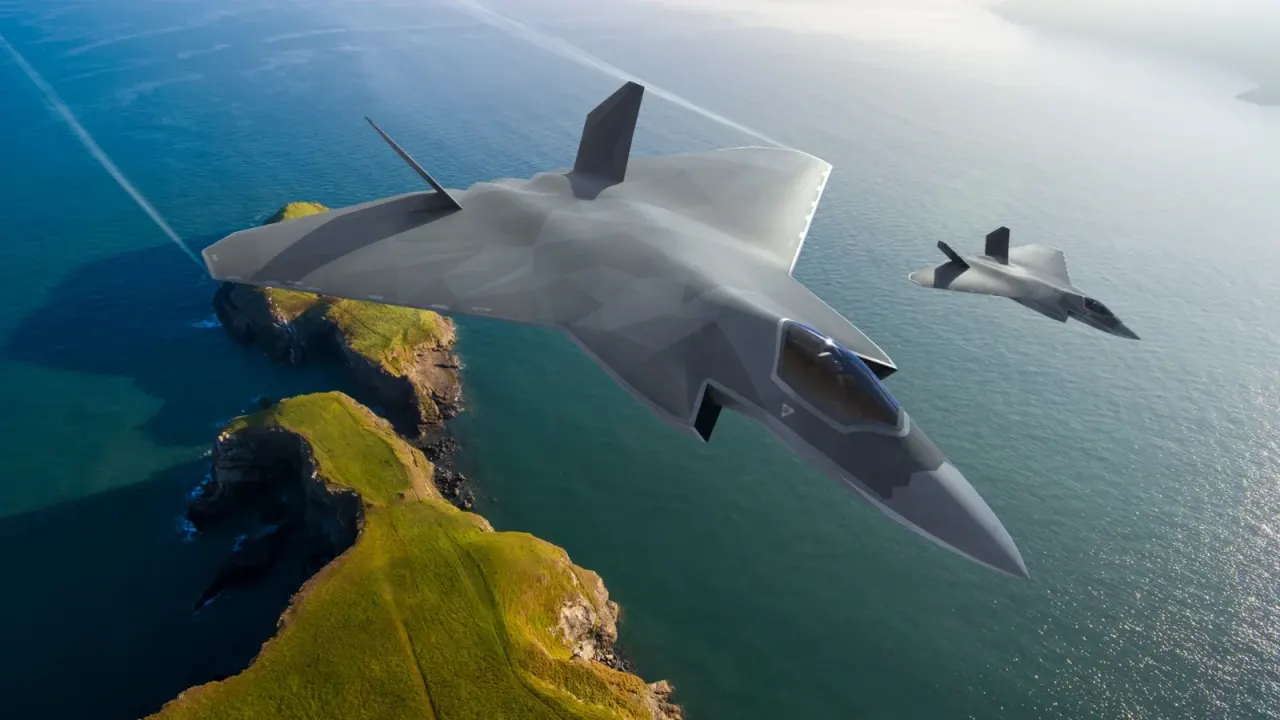
Air Chief Marshal Sir Harv Smyth says the Global Combat Air Programme (GCAP) jet may be the last crewed fighter Britain builds, as the RAF increasingly adopts AI-enabled, uncrewed aircraft. He says autonomous systems could take on the most dangerous tasks and help people make decisions, while RAF personnel and military accountability will remain essential.
The UK is developing the sixth-generation GCAP fighter with Italy and Japan, with service expected from 2035 as it replaces the RAF’s Eurofighter Typhoons. Smyth said uncrewed fighter jets would begin flying in UK airspace next year; the RAF has also used Protector drones to monitor Russian warships in the English Channel. The Government has pledged more than £5 billion over four years for military autonomous systems, while German Chancellor Friedrich Merz has questioned whether crewed fighters will still be needed in 20 years.
- Sources
- 2
- Outlets
- 2
- Left · Centre · Right
- 0 · 0 · 2
In short
- GCAP may be Britain’s last crewed fighter.
- Uncrewed jets are expected to fly in UK airspace next year.
- The UK has pledged over £5 billion for autonomous military systems.
How this story developed
- 9 hours ago No further change was reported; the account again highlighted the GCAP’s expected 2035 entry into service and the planned start of uncrewed fighter flights in UK airspace next year.
- 16 hours ago Smyth’s remarks were reiterated, with the RAF’s October use of Protector drones to track Russian warships in the English Channel adding a recent example of uncrewed aircraft in service.
- 16 hours ago RAF chief Sir Harv Smyth said the GCAP fighter could be Britain’s last crewed combat aircraft, as the force turns to autonomous systems while retaining human oversight and accountability.
Full account
The head of the Royal Air Force has described the Global Combat Air Programme (GCAP), a fighter being developed by the UK, Italy and Japan, as possibly the last crewed fighter aircraft Britain will build. Air Chief Marshal Sir Harv Smyth said advances in artificial intelligence and autonomous aircraft would change military aviation on a scale comparable to the transition from propeller aircraft to jets. The shift, he said, would alter the work of the RAF without making its people less important.
GCAP, also known informally as Tempest, is intended to produce a sixth-generation combat aircraft by 2035, succeeding the RAF’s Typhoon fleet. The second report says the UK signed a £4.6 billion design contract with its partners in July and identifies the industrial joint venture developing the aircraft. Both accounts describe the programme as crewed, while Smyth’s remarks point to a greater role for uncrewed systems in later projects.
Smyth said uncrewed fighter aircraft are expected to fly in UK airspace next year. He argued that machines could take on some of the most dangerous tasks, while AI should support human judgement rather than remove responsibility for decisions. He envisaged a future RAF using Typhoons and F-35s alongside autonomous systems. The reports also cite recent drone activity: the RAF used a Protector aircraft in October to monitor Russian vessels in the English Channel. The second account adds that the service has 16 such drones and has equipped Typhoons with a laser-guided rocket system intended to counter Iranian drones.
The remarks come amid wider concern about how conflict and technology are changing. The second report recounts Smyth’s comments on Russia’s war against Ukraine, the difficulty either side has had in controlling the airspace, and the growing military importance of satellites. It also says he stressed the continued need for skilled personnel, modern aircraft and weapons, resilient bases and cooperation with NATO allies. The first report instead gives greater attention to a government commitment of more than £5 billion over four years for autonomous and uncrewed systems, announced as part of a June 2026 defence plan, and to German Chancellor Friedrich Merz’s doubts about the expense and future need for crewed fighters.
Where outlets differ
From the full account, which is AI-written from the sources:
The first report foregrounds the UK’s planned multi-year investment in uncrewed systems and Merz’s scepticism about the future need for crewed fighters. The second focuses more on GCAP’s design contract, the companies involved, RAF operational examples and Smyth’s wider comments on the changing character of conflict. The second also reports that around 300 RAF trainees graduate monthly; that detail is absent from the first. Both reports describe the GCAP aircraft as intended for service around 2035, though the first specifically frames it as replacing the Typhoon fleet.
Steelman: both sides, in good faith
The strongest fair case each way — we don't pick a winner.
The case for
Developing GCAP as a final crewed fighter could preserve human judgement and accountability in the most consequential decisions while giving Britain and its partners a capable aircraft for the threats they expect to face. A crewed platform may also provide flexibility where autonomous systems struggle, and investing now can sustain expertise and industrial capacity as aviation changes.
The case against
If autonomous aircraft can carry out more missions with less risk to pilots and at lower cost, committing billions to another crewed fighter could tie up resources that might build a more adaptable fleet. As technology develops quickly, a jet entering service in 2035 could be outdated before its expected retirement, so prioritising uncrewed systems may better prepare the RAF for future conflicts.
Explained simply
The RAF is the UK’s air force, and a fighter jet is a fast military aircraft designed to defend airspace and engage other aircraft. The Eurofighter Typhoon is its current main fighter; Britain is working with Italy and Japan on a successor called the Global Combat Air Programme, or GCAP, expected to enter service in 2035.
Military aircraft can also fly without a person on board, using remote control or automated systems. Governments are investing in these uncrewed aircraft, including drones, for tasks such as surveillance and combat, raising questions about how future air forces will operate.
The shift matters because decisions about aircraft affect defence spending, military roles and how responsibility is assigned when machines act. The RAF says people will continue to play a part, including in overseeing systems and being accountable for their use.
Coverage · 2 sources
Bias meters
From 2 rated sources.
Read the full article at the source →
Originally published by GB News as “RAF building its ‘last crewed fighter’ jet as drones take over, Air Force chief reveals”.