Science news and discussion on TalkFuse.
After lengthy negotiations, the UK and the EU move closer together
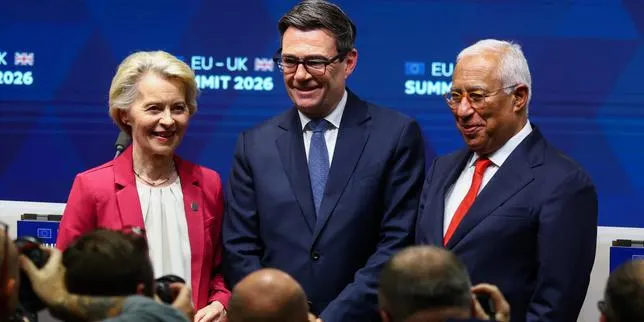
At a summit in Brussels, the UK and EU agreed on closer cooperation in trade, carbon emissions and youth mobility after nearly a year of negotiations. The agreements mark a thaw in relations a decade after the Brexit vote, while stopping short of reversing Brexit or changing the UK’s current red lines on EU membership.
The deals include a shared sanitary and phytosanitary area, due in principle from March 2028, and alignment of emissions trading systems from that year. A youth scheme planned for 2030 would let up to 100,000 people from each side live, work or study in the other for up to three years. Implementation depends on a separate agreement over tuition fees for European students in Britain: London and Brussels hope to settle it within six months. A YouGov poll cited in the article found 58% of Britons thought leaving the EU was wrong and 63% called Brexit a failure.
In short
- UK and EU agreed on closer cooperation after lengthy negotiations.
- Youth mobility and trade measures are planned for coming years.
- The agreements depend on resolving European students’ tuition fees.
Steelman: both sides, in good faith
The strongest fair case each way — we don't pick a winner.
The case for
Closer cooperation could reduce trade friction, support businesses and consumers, and help the UK and EU coordinate on emissions and other shared challenges. A limited youth mobility scheme would create opportunities to live, work or study across borders, while the agreements preserve the UK’s decision to remain outside the EU and can be judged on practical results.
The case against
Closer alignment may bring economic and mobility benefits, but it could also narrow the UK’s freedom to set its own rules in areas covered by the agreements, reviving concerns that motivated Brexit. The arrangements may add obligations and costs, while unresolved questions such as student tuition fees and the details of implementation make their eventual value uncertain.
Explained simply
The UK left the European Union in 2020, after the 2016 referendum, ending its membership of the bloc’s single market and customs union. Since then, trade and other ties have been governed by agreements between the two sides, while the UK has set limits on how closely it will align with EU rules.
The EU is a political and economic union of European countries, and its rules cover areas such as food standards and carbon markets. The UK government and EU institutions negotiate agreements on behalf of their respective sides; any new arrangements may need further terms to be settled before they can take effect.
The relationship matters to businesses, people who travel or study across the Channel, and efforts to reduce emissions. Public views on Brexit are also part of the debate about how the UK should deal with the EU in future.
Climate Europe Science UK World