World news and discussion on TalkFuse.
Swedish Gripen pilot unable to shoot down suspected Russian missile over Poland due to poor weather, commander says
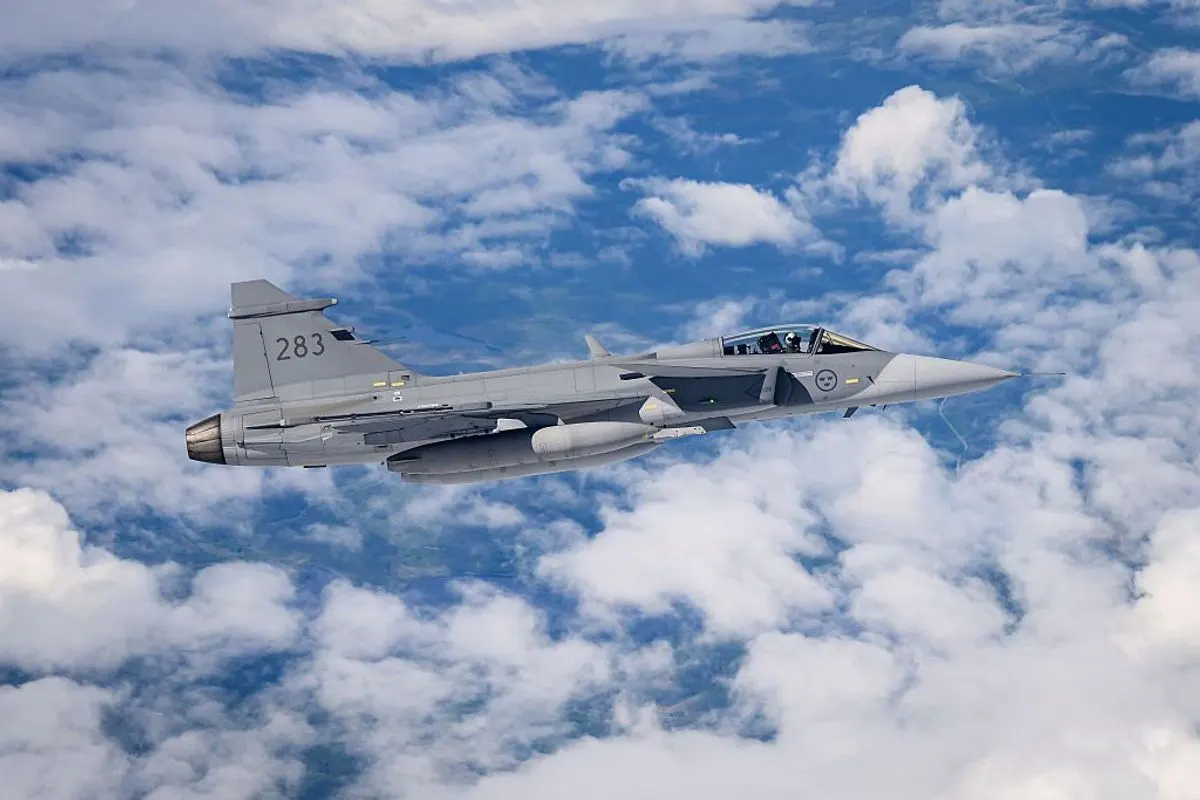
A Swedish Gripen pilot was authorised to shoot down a suspected Russian cruise missile over Poland on 20 November but did not fire because poor weather made it impossible to identify the object. The incident happened during a large Russian attack on Ukraine, when three aerial objects entered Polish airspace, and has prompted renewed attention to NATO’s defences along its eastern flank.
Polish forces tracked 11 potentially threatening objects and deployed two Gripens and two Polish F-16s, with support from surveillance, refuelling and ground-based air defence systems. Polish commander Lt Gen Ireneusz Nowak said the pilot could not identify the suspected Kh-101 missile visually or with onboard electro-optical equipment; no injuries were reported. NATO chief Mark Rutte said the alliance would defend Polish territory, while the circumstances of the incursions remained under investigation.
In short
- A Gripen pilot could not identify a suspected missile in severe weather.
- Three aerial objects entered Polish airspace during Russia’s attack on Ukraine.
- NATO said it would defend Polish territory as it reviews the incident.
Steelman: both sides, in good faith
The strongest fair case each way — we don't pick a winner.
The case for
The pilot’s decision not to fire can be defended as prudent: in poor weather, the object could not be reliably identified, and shooting at an uncertain target risks striking civilian aircraft or causing harm on the ground. Careful identification helps preserve public safety and avoids treating an unexplained incursion as hostile before the evidence supports that conclusion.
The case against
The incident can also support the case for stronger detection and engagement capabilities, since a suspected missile entering Polish airspace during a major attack on Ukraine may pose a serious threat if left unchallenged. Those who favour a more robust response could argue that NATO needs reliable ways to identify and intercept threats in poor visibility, while setting clear safeguards to limit the risk of a mistaken shoot-down.
Europe Geopolitics Politics World