World news and discussion on TalkFuse.
Pakistani women turn to digital platforms for financial freedom, but challenges remain
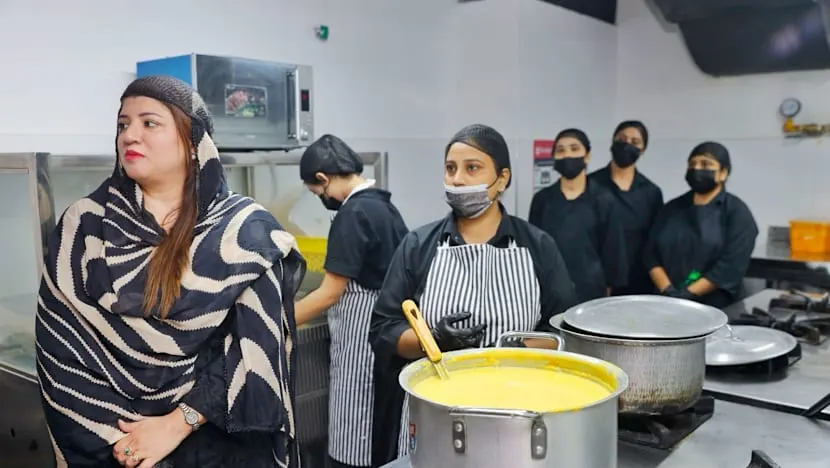
Pakistani women are using food delivery, social media and mobile wallets to build businesses and earn income, as wider internet access opens routes into work. The shift matters in a country where women’s labour-force participation remains far below men’s, though earning money online does not necessarily bring financial independence.
In about 18 months, Ayesha Kamil grew her Lahore meal business from eight or nine daily orders to three kitchens employing 25 women; she reported one day with 300 orders and 250,000 rupees in sales. GSMA figures show mobile internet use among adult women rose from 19 per cent in 2020 to 53 per cent, or around 40 million women, in 2025. Experts say family duties can restrict women’s time, while some have limited control over business income; Foodpanda’s HomeChef programme has 4,000 to 5,000 participants, around 70 per cent of them women.
In short
- Online platforms are helping Pakistani women start and grow businesses.
- Women’s mobile internet use reached 53 per cent in 2025.
- Family duties and limited control over earnings remain barriers.
Steelman: both sides, in good faith
The strongest fair case each way — we don't pick a winner.
The case for
Digital platforms can give Pakistani women practical routes into earning and entrepreneurship, especially when conventional work is hard to access because of family duties or social constraints. The growth of businesses such as Ayesha Kamil’s shows how online orders and mobile payments can create jobs and income, while wider internet access may help more women take part in economic life.
The case against
Online work does not by itself ensure financial freedom: women may still have limited control over their earnings, little time because of family responsibilities, and dependence on platforms to reach customers. The rise in mobile internet use and the number of women joining delivery programmes are meaningful, but they do not establish that participation is secure, profitable or a substitute for broader changes in women’s access to work and financial decision-making.