World news and discussion on TalkFuse.
Young Nigerians are losing ground in presidential race despite past influence
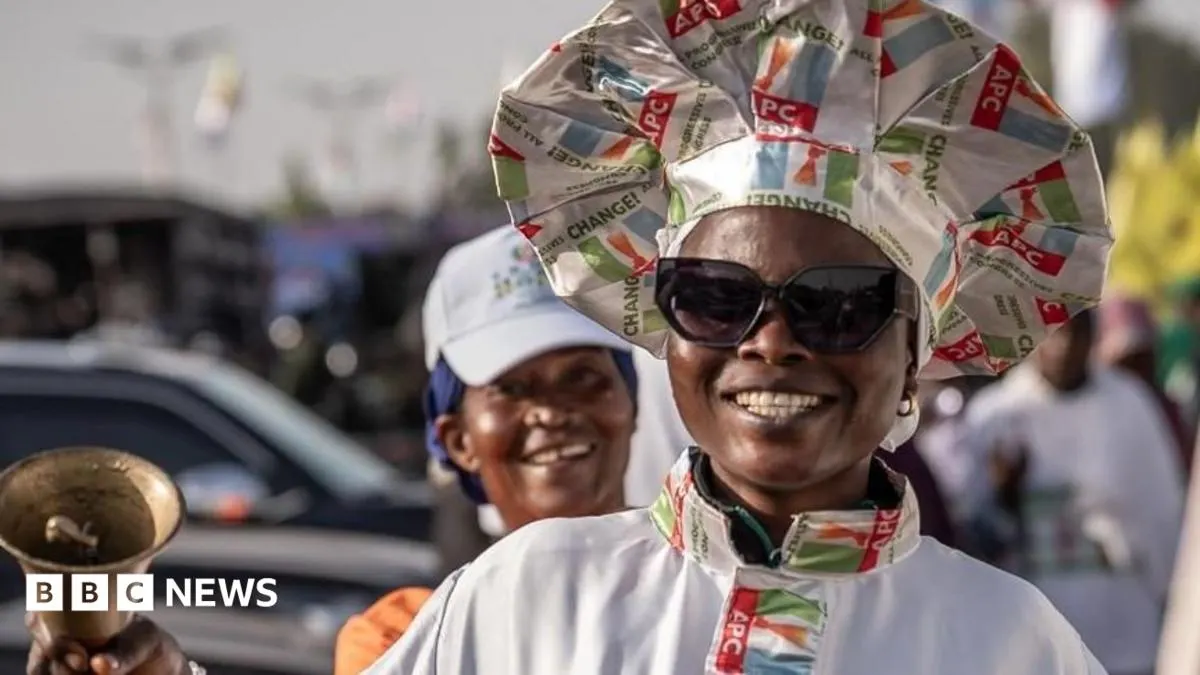
Nigeria has a very young population, but its leading presidential candidates are much older, and young people are becoming a smaller share of registered voters. The article explores how frustration with the political system is weakening youth participation, despite young Nigerians having previously mobilised around calls for change.
About 80% of Nigerians are under 40, yet only one of the 18 presidential candidates is under 40. Young people make up 29% of registered voters, down from 40% in 2023, even as the overall register grew by 10 million to more than 103 million. The EndSars protests and Peter Obi’s youth-backed campaign showed young people’s influence, but setbacks and barriers to standing for office have left many disillusioned.
In short
- Nigeria’s youth are losing faith in electoral politics.
- Under-35s make up 29% of registered voters, down from 40%.
- Young people have mobilised before, but few are standing for office.
Explained simply
Nigeria’s population is much younger than its political leadership: about four in five people are under 40, while most presidential candidates are older. Young people’s share of registered voters has fallen, even as the total number of registered voters has grown.
Young Nigerians have previously helped bring public attention to calls for change. The 2020 EndSars protests challenged police abuses, and Peter Obi’s 2023 presidential campaign attracted strong support from younger voters.
Many now feel that political participation brings little change, while barriers make it difficult for younger people to run for office. Their involvement matters because they make up such a large part of Nigeria’s population and electorate.
Africa Elections Politics World
Read the full article at the source →
Originally published by BBC World as “Nigerian youth have shown their power in the past – why aren’t they shaping this election?”.