Politics news and discussion on TalkFuse.
Michael Goodwin: Don’t expect Trump to be a lame duck president despite the midterm shellacking
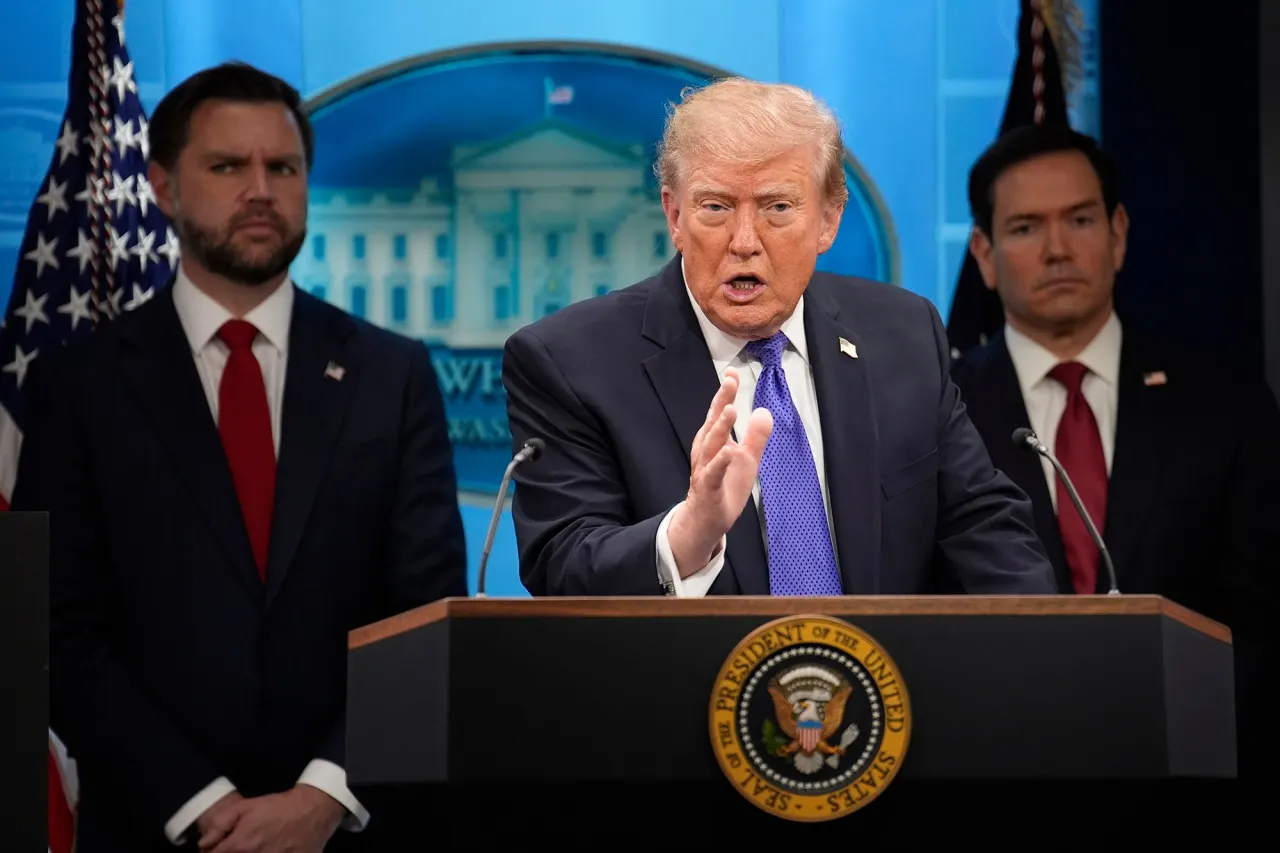
The article argues that Donald Trump intends to remain politically assertive after Republicans lost control of both chambers of Congress in the midterms, rather than behave like a weakened lame-duck president. At a White House press conference, he presented his recent China meetings as a success and used the occasion to promote keeping data-centre construction in the United States.
The author says Trump offered few concrete results from the meetings with Xi Jinping and Vladimir Putin, beyond a joint statement against nuclear war and a pledge to discuss nuclear risks. Trump also threatened penalties or taxes for companies building data centres abroad and urged communities to negotiate payments from developers, despite voter concerns about the centres’ use of land, energy and water. The article notes that markets were falling amid worries about artificial intelligence, framing the issue as a test for the economy.
In short
- Trump signalled he will keep pushing his agenda after the midterm losses.
- He offered few specifics on the outcomes of meetings with China and Russia.
- He backed US data-centre construction despite local concerns and market jitters.
Steelman: both sides, in good faith
The strongest fair case each way — we don't pick a winner.
The case for
A president can remain an active leader after electoral setbacks, using the office to pursue diplomacy and shape economic policy rather than retreating into a caretaker role. Keeping data-centre investment in the United States could support jobs, infrastructure and competitiveness, while asking developers to address local costs may help communities manage pressures on land, energy and water.
The case against
After losing both chambers of Congress, Trump may face weaker political authority and greater scrutiny, making continued assertiveness less effective or accountable. The reported China and Russia meetings produced few concrete outcomes, while threatening penalties for overseas construction and encouraging local bargaining could create uncertainty for businesses without resolving concerns about data-centres’ resource use.
Explained simply
Midterm elections take place halfway through a US president’s four-year term and decide all seats in the House of Representatives and some seats in the Senate. Losing control of either chamber can make it harder for a president to pass laws, because Congress must approve legislation and oversee the government.
Donald Trump is the US president, and Xi Jinping and Vladimir Putin lead China and Russia. Their countries discuss issues including trade and nuclear weapons; nuclear arms are weapons capable of causing destruction on a vast scale.
Data centres house the computers and equipment behind online services and artificial intelligence. They can require substantial land, electricity and water, bringing them into local debates about resources and development.
Elections Government Politics World