Culture news and discussion on TalkFuse.
Toby Kiers, biologist: ‘Fungi can teach us to make decisions differently’
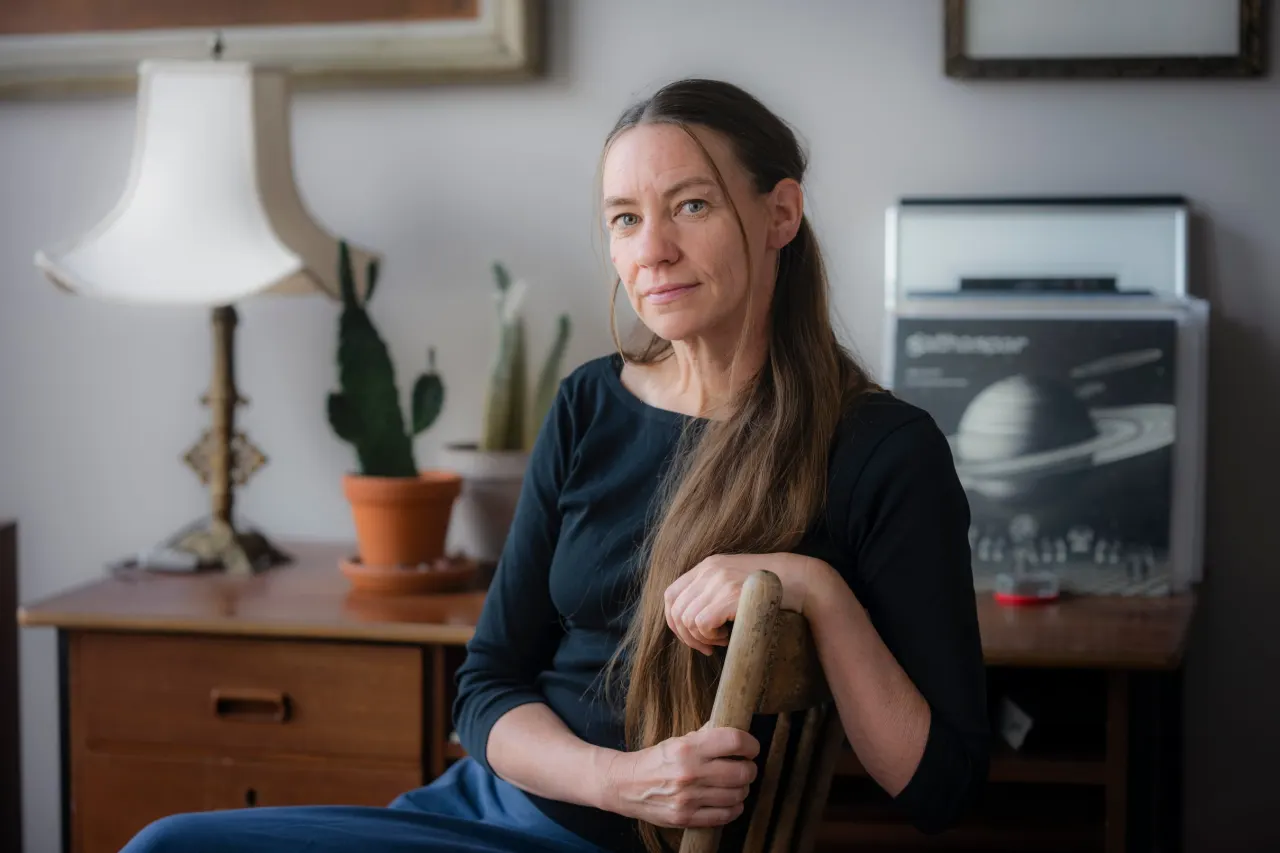
Toby Kiers’ research has revealed how mycorrhizal fungi form extensive networks with plant roots, exchange resources and help move carbon deep into the soil. Her work has expanded understanding of fungi’s role in ecosystems and the global carbon cycle, and she argues they deserve stronger legal protection.
Kiers, 50, is the youngest person to receive the 2026 Tyler Prize for Environmental Achievement. She says 90% of plant species form partnerships with mycorrhizal fungi, while only about 1% of an estimated two to three million fungal species have been identified. A study by her team found plants process and transfer 13 billion tonnes of carbon through these networks.
In short
- Kiers studies how fungi and plants exchange resources.
- Fungal networks help move carbon into deep soil.
- She advocates legal protections for fungi.
Steelman: both sides, in good faith
The strongest fair case each way — we don't pick a winner.
The case for
Stronger legal protection for fungi could recognise their foundational role in ecosystems and the carbon cycle, while helping safeguard biodiversity that remains largely undocumented. Because fungal networks support many plant species and move substantial amounts of carbon, protecting them may also strengthen broader conservation and climate efforts.
The case against
Legal protections should be based on clear evidence about what measures work and how responsibilities can be enforced, especially when fungal species and their ecological relationships remain poorly documented. Broad rules could complicate land use or conservation decisions, so some may favour targeted protections and further research before extending legal status to fungi.
Explained simply
Mycorrhizal fungi live in close partnership with plant roots. Their underground threads can connect plants, helping exchange nutrients and water while moving carbon into the soil.
Toby Kiers studies these partnerships and their place in ecosystems and the global carbon cycle. Most plant species are thought to partner with mycorrhizal fungi, but only a small fraction of the world’s estimated fungal species have been identified.
The carbon stored in soil affects how much carbon dioxide remains in the atmosphere, so these networks are relevant to understanding climate and ecosystems. Kiers argues that fungi should receive stronger legal protection; her work has also been recognised with the 2026 Tyler Prize for Environmental Achievement.
Culture Environment Food Science World