Science news and discussion on TalkFuse.
Scientists Tried to Kill This Dirt, but It Wouldn’t Die
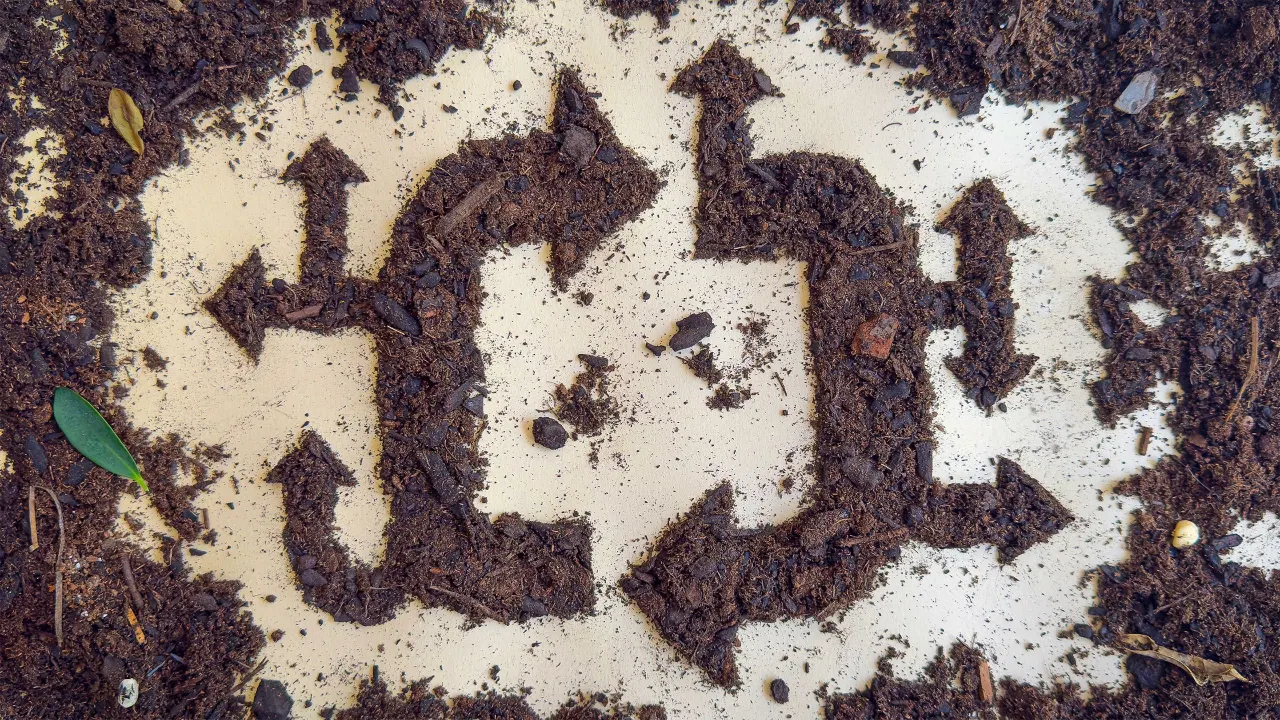
Scientists found that soil continued to consume oxygen and release carbon dioxide after radiation killed its microbes, suggesting that some chemistry associated with metabolism can happen without living cells. The finding could reshape ideas about the boundary between life and geology, and suggests that chemical processes resembling metabolism may have existed before life emerged on Earth.
The team first observed carbon emissions persisting for more than 100 days, then studied sealed, irradiated soil samples for six years. Adding yeast enzymes sharply increased emissions, while tests found no evidence that microbes had survived; deliberately added microbes, by contrast, rapidly recolonised the soil and produced much more carbon dioxide. The researchers reported their proposed explanation in a 2025 paper in Science Advances.
In short
- Irradiated soil kept releasing carbon dioxide for six years.
- Researchers found evidence of metabolism-like chemistry outside living cells.
- The findings may link life’s chemistry with geology.