Culture news and discussion on TalkFuse.
UK-EU food deal hailed by British firms: ‘We’re pretty aligned anyway’
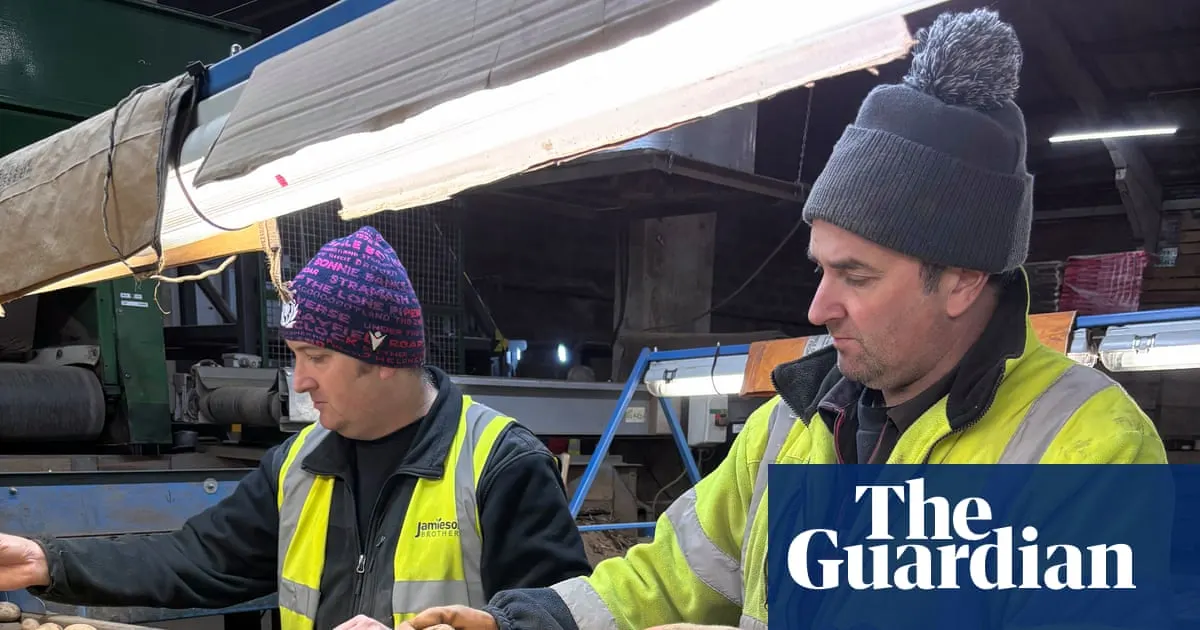
British food producers have broadly welcomed a UK-EU agreement intended to remove most physical checks on food, plants and animal products. It could restore trade in goods including seed potatoes and fresh sausages, while making it viable for UK shops to import some European foods again. However, exporters say they are frustrated that the deal is not due to take effect until 1 March 2028 and remain cautious after years of disruption.
Scottish seed potato producer Jamieson Brothers lost EU and Irish business after seed potatoes were excluded from the post-Brexit trade deal; its director estimates adapting the business cost about £500,000. Reviving varieties no longer grown could take at least three years, and growers may wait until 2029 to resume exports. The shellfish sector, worth less than £12m a year before Brexit, also hopes the agreement will ease trade barriers for exporters serving European markets.
In short
- Food exporters welcome plans to remove most checks.
- The deal is scheduled to start in March 2028.
- Some growers expect trade to take longer to recover.
Steelman: both sides, in good faith
The strongest fair case each way — we don't pick a winner.
The case for
Supporters argue that removing most physical checks could reopen valuable EU markets, restore trade in products such as seed potatoes and fresh sausages, and make some European foods easier for British shops to import. A closer trading relationship may reduce costs and uncertainty for producers and consumers, especially where UK and EU standards are already broadly aligned.
The case against
Critics can accept the potential benefits while arguing that the agreement comes too late to repair losses already suffered by producers. Its 2028 start date means businesses such as seed potato growers may wait years longer to rebuild varieties and export capacity, while past disruption gives firms reason to doubt that promised access will translate quickly into reliable trade.
Explained simply
The UK left the EU’s single market for goods when it completed Brexit, bringing new paperwork and checks for trade in food, plants and animal products. Some products, including British seed potatoes, lost access to EU markets under the arrangements that followed.
The proposed agreement would bring UK and EU rules in these areas closer together, with the aim of reducing checks. It could affect food producers and exporters, as well as shops that import European goods.
Scottish seed potato growers and businesses such as shellfish exporters have been among those affected by trade barriers. Their experience helps explain why firms are watching both the scope of the agreement and the time needed to restart trade.