Technology news and discussion on TalkFuse.
Age rarely makes computer hardware useless, but compatibility limits its life
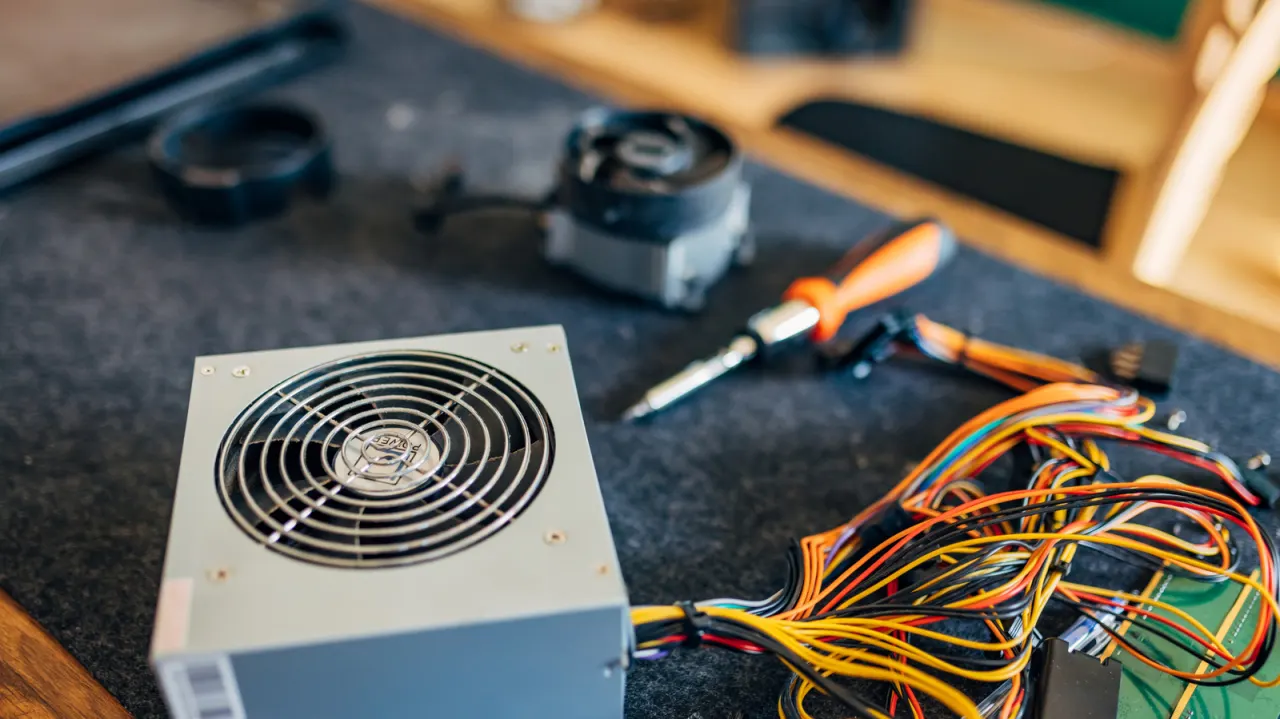
Old computer hardware rarely becomes completely useless just because it is old: many components continue working until they physically fail and can be reused in other computers or projects. The main limit is often compatibility, as newer software and systems demand more than older parts can provide.
Fans and simple cases can last a decade or more with cleaning and care, while CPUs and memory may also work for well over a decade if protected from surges and extreme heat. Motherboards can last more than seven years but become harder to use with newer components, and graphics cards may lose relevance for gaming within three to five years; storage conditions, materials and usage also affect lifespan.
In short
- Most PC parts work until they physically fail.
- Compatibility and modern software demands can make them obsolete.
- Fans and cases may last a decade or more.
Explained simply
Computer hardware does not all age in the same way. Fans and cases can remain useful for many years, and processors and memory may keep working too, though heat, power surges and wear can affect them.
A part can still function but no longer work with newer components or software. Motherboards may become difficult to pair with newer parts, while graphics cards can fall behind the demands of newer games. How long a component remains useful depends on its design, use and care.
Read the full article at the source →
Originally published by Engadget as “Does old computer hardware ever become truly useless?”.