World news and discussion on TalkFuse.
‘Slaughtered like pigs’ for their body parts… while still alive: Organ harvesting doctors are still operating in China despite ‘ban’, experts claim
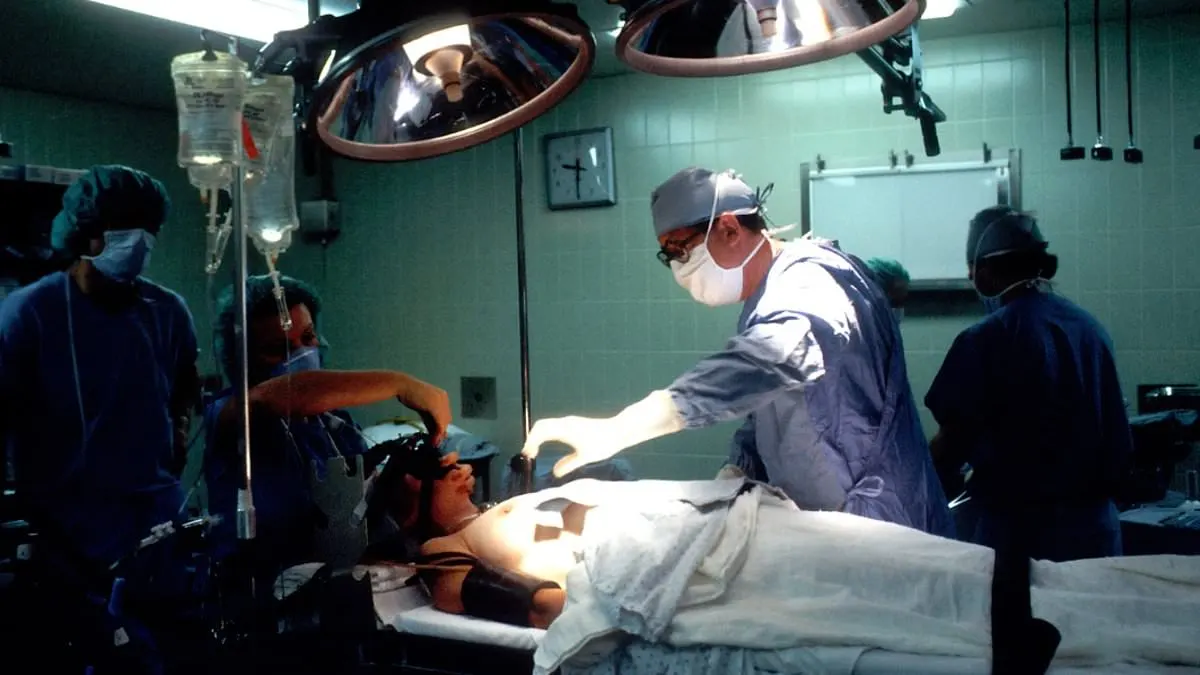
A human rights coalition report says more than 100 Chinese doctors previously linked to alleged forced organ harvesting were still working in the country in 2025. The findings raise questions about the enforcement of China’s stated 2015 ban and the professional accountability of medical staff named in earlier research.
The report says 71 clinical papers described transplant procedures between 1980 and 2015 that appeared to breach the Dead Donor Rule, which requires donors to be declared dead before vital organs are removed. The papers involved 56 hospitals in 15 provinces; the coalition found that more than 100 doctors were still employed at 40 hospitals across 16 provinces in 2025. China said it would replace prisoner-sourced organs with a national donation system.
In short
- Report says more than 100 doctors linked to alleged abuses remain employed.
- The doctors were at 40 hospitals across 16 provinces in 2025.
- Findings renew questions about accountability and China’s 2015 ban.
Steelman: both sides, in good faith
The strongest fair case each way — we don't pick a winner.
The case for
The report, if its findings are accurate, raises serious questions about whether China’s 2015 ban is being enforced and whether clinicians implicated in procedures that appear to breach the Dead Donor Rule have faced proper scrutiny. Continued employment at hospitals could undermine confidence in transplant safeguards and the credibility of a donation system intended to replace prisoner-sourced organs.
The case against
The report’s findings do not by themselves establish that the doctors currently working performed unlawful procedures or that forced organ harvesting continues; employment records and descriptions in historical papers may not settle individual responsibility. China’s stated move to a national donation system is relevant, and fair accountability requires case-specific evidence and transparent investigation rather than treating past association as proof of present wrongdoing.
Explained simply
China’s transplant system has been scrutinised over claims that organs were taken from prisoners, including people held for their beliefs. In 2015, the government said it would stop using organs from executed prisoners and rely on a national donation system.
A key safeguard in transplantation is that a donor must be declared dead before vital organs are removed. Researchers have examined medical papers from earlier decades for procedures they say may have breached that rule. The issue matters because it concerns how organ donation is regulated and whether medical staff are held accountable for past practices.
Asia Geopolitics Politics World