Technology news and discussion on TalkFuse.
Matt Bellamy explores guitars shaped by spoken prompts via AI
Developed over time first seen 1 day ago
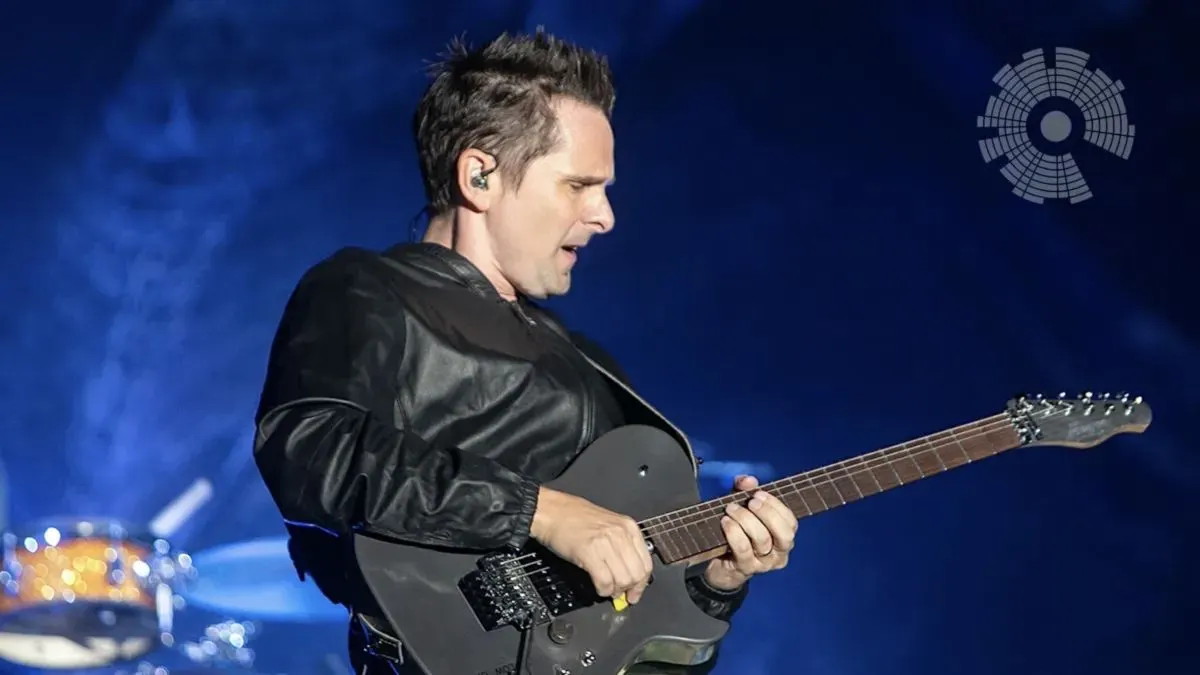
Muse guitarist Matt Bellamy is interested in guitars that respond to spoken prompts, letting players describe a sound and have the instrument shape it. He says the technology is not ready for guitars, but sees potential in combining AI’s speed with an analogue result.
Bellamy compared the idea with AI-assisted synthesis, which can find tones in seconds but currently offers lower sound quality. Muse already use an AI system on “The WOW! Signal Tour” to adjust sound-desk settings during some songs and deliver the opening speech for “Psycho”. Bellamy also expects live performances by real musicians to become more valued as audiences encounter more AI-generated material.
- Sources
- 3
- Outlets
- 2
- Left · Centre · Right
- 0 · 0 · 0
In short
- Bellamy wants to explore voice-prompted AI guitars.
- He says the technology is not ready yet.
- Muse already use AI during parts of their live show.
How this story developed
- 20 hours ago Bellamy added that Muse already use AI on the WOW! Signal Tour to adjust sound-desk controls during some songs and deliver the opening speech for “Psycho”, and predicted audiences would increasingly value live music performed by real musicians.
- 20 hours ago Bellamy described the idea as letting players speak their desired sound to a guitar, and said AI-assisted synthesis finds tones faster than conventional synthesizers but with lower sound quality.
- 1 day ago Matt Bellamy said he was interested in guitars that use AI prompts to create requested sounds while retaining an analogue quality, though he thought the technology was not ready and might take years to build into an instrument.
Steelman: both sides, in good faith
The strongest fair case each way — we don't pick a winner.
The case for
AI prompted guitar sounds could help musicians find tones more quickly and explore ideas without replacing their creative judgement. If designed to preserve analogue controls and the feel of playing, the technology could widen a guitarist’s expressive options while keeping the instrument rooted in performance.
The case against
Building sound generation into a guitar could trade tone quality and direct control for convenience, especially while the technology remains immature. Musicians may also value the distinctive character of analogue instruments and the skill involved in shaping a sound themselves, so an AI feature could add complexity without improving the playing experience.
Explained simply
Muse are a British rock band formed in the 1990s, with Matt Bellamy as their singer and guitarist. A guitar’s sound can be shaped by its design and by equipment such as effects pedals, while synthesizers create sounds electronically.
Artificial intelligence, or AI, can be used to generate or adjust sounds from written or spoken instructions. In live music, sound engineers also use digital systems to control how instruments and voices are heard by an audience.
The question is how these tools might change the making and performance of music. They could help musicians find sounds or manage technical settings, while raising questions about the role of human skill and how listeners value performances.
Coverage · 3 sources
AI Entertainment Music Technology
Read the full article at the source →
Originally published by Consequence as “Muse’s Matt Bellamy Wants to Talk to His Guitar Through AI”.