Entertainment news and discussion on TalkFuse.
The 10 most self-aware movies ever made
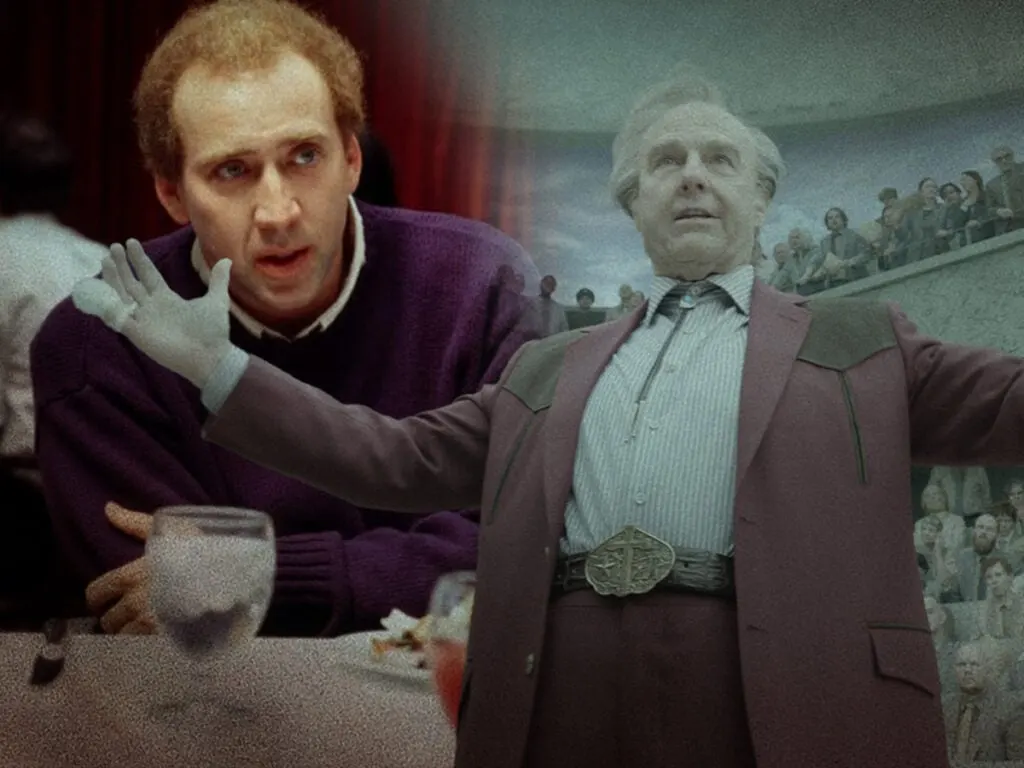
The article argues that self-aware films do more than break the fourth wall or make jokes about their own genre. They show vulnerability by acknowledging how filmmaking shapes audiences’ emotions, or by exposing doubts and contradictions in the work itself.
It highlights Federico Fellini’s *8½*, which turns creative block into a personal story about making art; Orson Welles’s *F for Fake*, which draws viewers into a tale of forgery while signalling that its narrator cannot be trusted; and Bob Fosse’s *All That Jazz*, a semi-autobiographical musical drama shaped by his fear of death. The supplied article text ends partway through its discussion of *All That Jazz*, so it does not include the full list of ten films.
In short
- Self-awareness involves vulnerability, not just fourth-wall jokes.
- *8½* turns creative doubt into drama.
- *F for Fake* plays with trust and deception.
Explained simply
Self-aware films draw attention to how they are made and how they guide an audience’s feelings. Some do this through jokes or direct address; others reveal uncertainty, personal experience or contradictions within the story.
Federico Fellini’s 8½ follows a film-maker struggling to create, while Orson Welles’s F for Fake plays with forgery and the reliability of its narrator. Bob Fosse’s All That Jazz is a musical drama shaped by his own life and his fear of death.
These films matter because they make the act of telling a story part of the story itself. They can invite viewers to question what they see and how cinema creates meaning.