Entertainment news and discussion on TalkFuse.
In 1955, Jimmy Page thought he had uncovered a niche hit that changed his life
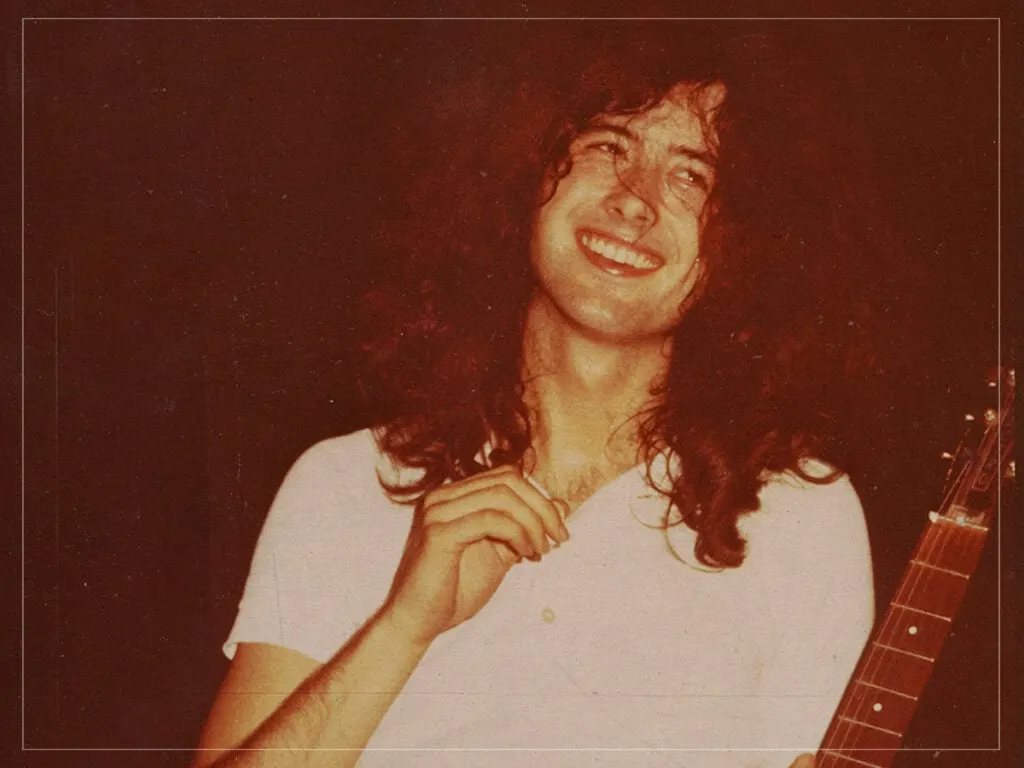
Jimmy Page said Lonnie Donegan’s 1955 skiffle recording of ‘Rock Island Line’ changed how he saw music and helped persuade him to take up guitar. The song’s influence on Page also reflects Donegan’s wider impact on young British musicians who later became prominent guitarists.
The song’s roots go back much further: folklorists John and Alan Lomax recorded it with prisoners in Arkansas in 1933, after tracing it to songs sung by enslaved people in the Mississippi Valley. Lead Belly later recorded an adapted version, but Donegan’s was the one Page heard on the radio and at home; Page later praised its rhythmic, staccato delivery and Donegan’s guitar playing.
In short
- Donegan’s 1955 recording inspired Jimmy Page to play guitar.
- ‘Rock Island Line’ was recorded in an Arkansas prison in 1933.
- Page later praised Donegan’s skiffle style and guitar skill.
Explained simply
Skiffle was a low-cost style of music that drew on folk, blues and jazz, often played with guitars and improvised instruments. It became popular in Britain in the 1950s, giving young people a way to make music without expensive equipment or formal training.
Lonnie Donegan’s “Rock Island Line” was a skiffle recording of a song with a much older history. Folklorists John and Alan Lomax recorded it with prisoners in Arkansas in 1933; the song was linked to music sung by enslaved people in the Mississippi Valley, and blues musician Lead Belly later made his own version.
Jimmy Page was among the British musicians who heard Donegan’s recording as a young person and took up guitar. Donegan’s influence helps explain how skiffle shaped a generation of musicians who later became prominent guitarists.