World news and discussion on TalkFuse.
Only one thing can fix America’s broken air-traffic control — and it isn’t more money
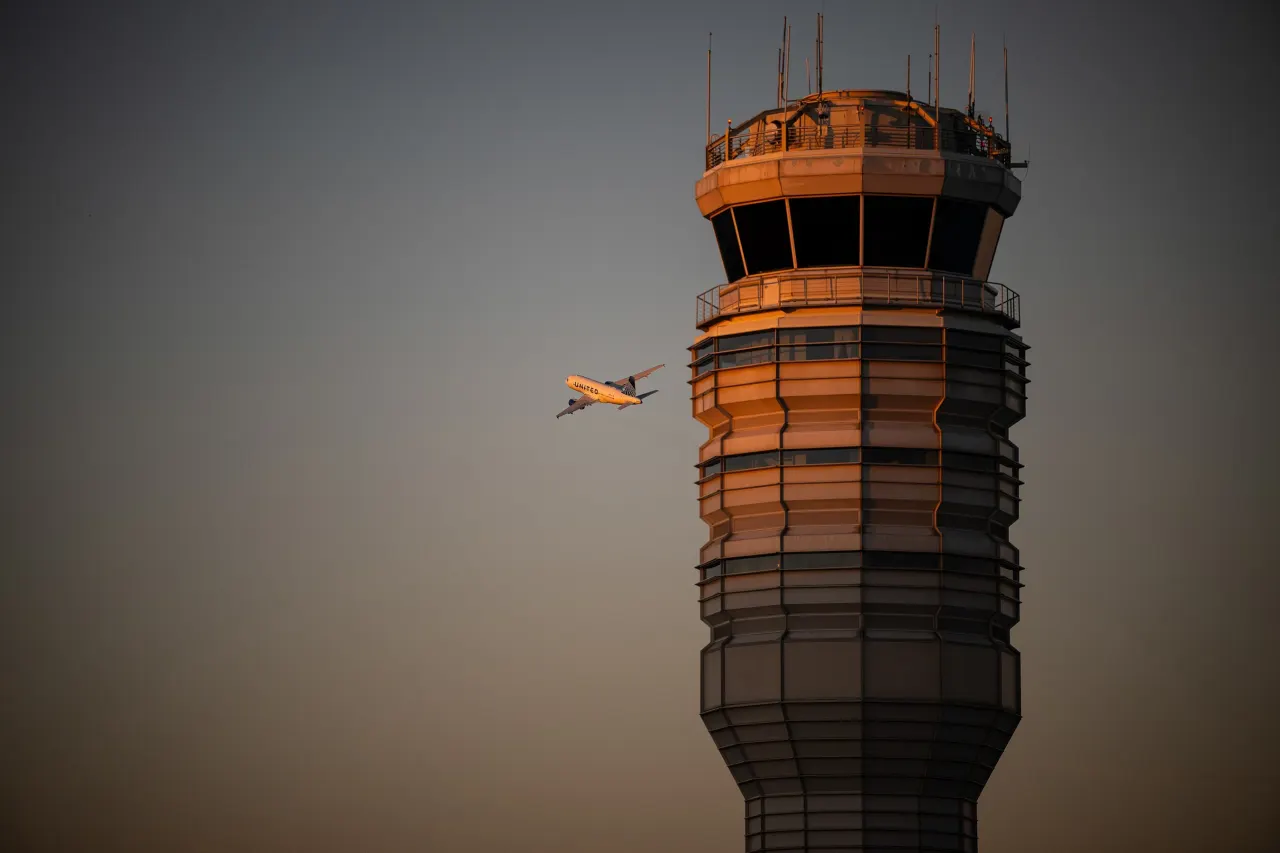
A nationwide flight grounding lasting four hours has renewed debate over how to repair America’s air-traffic control system. The opinion article argues that increasing federal spending will not address its central problem: the Federal Aviation Administration both operates the system and regulates its safety, while political control makes long-term investment difficult.
It says hundreds of FAA facilities still use 1980s computers and some controllers track flights on paper slips. The article favours transferring air-traffic control to an independently run, self-funded utility, as in other developed countries. It says private jets accounted for 10 per cent of air traffic but paid less than 1 per cent of aviation taxes, and reports that proposals for $30 billion to $50 billion in federal spending include money that would not go to air-traffic control; less than half of the $30 billion Modern Skies Act would, according to the article.
In short
- The article says more federal funding will not fix air-traffic control’s structural problems.
- It argues for separating air-traffic operations from FAA safety regulation.
- Private jets made up 10% of traffic but paid under 1% of aviation taxes.
Steelman: both sides, in good faith
The strongest fair case each way — we don't pick a winner.
The case for
An independent, self-funded air-traffic utility could make long-term upgrades easier by separating operational decisions from political cycles and the FAA’s safety-regulation role. Supporters argue that user-based charges could also make the system’s costs fairer, particularly if private aviation contributes more in line with its use.
The case against
Keeping air traffic control within the FAA preserves direct public accountability for a safety-critical service and avoids the risks of restructuring it. Critics could argue that governance changes and new user charges may create disruption or uneven costs, while targeted public investment and management reform within the existing system could modernise equipment without transferring control to a separate utility.
Explained simply
America’s air-traffic control system is run by the Federal Aviation Administration (FAA), the federal agency that also sets and enforces aviation safety rules. Air-traffic controllers guide aircraft through busy skies and help keep flights safely separated, using equipment and procedures that have been updated over time.
The debate is about how the system should be managed and paid for. Some proposals would increase federal spending, while others would move air-traffic control into an independent, self-funded organisation, leaving the FAA to focus on safety regulation.
The issue affects passengers, airlines, controllers and other aircraft operators, including private jet owners. How the system is funded and governed can shape who pays, how upgrades are planned and how consistently they are carried out.