Entertainment news and discussion on TalkFuse.
I covered myself in sleep trackers to find the very best
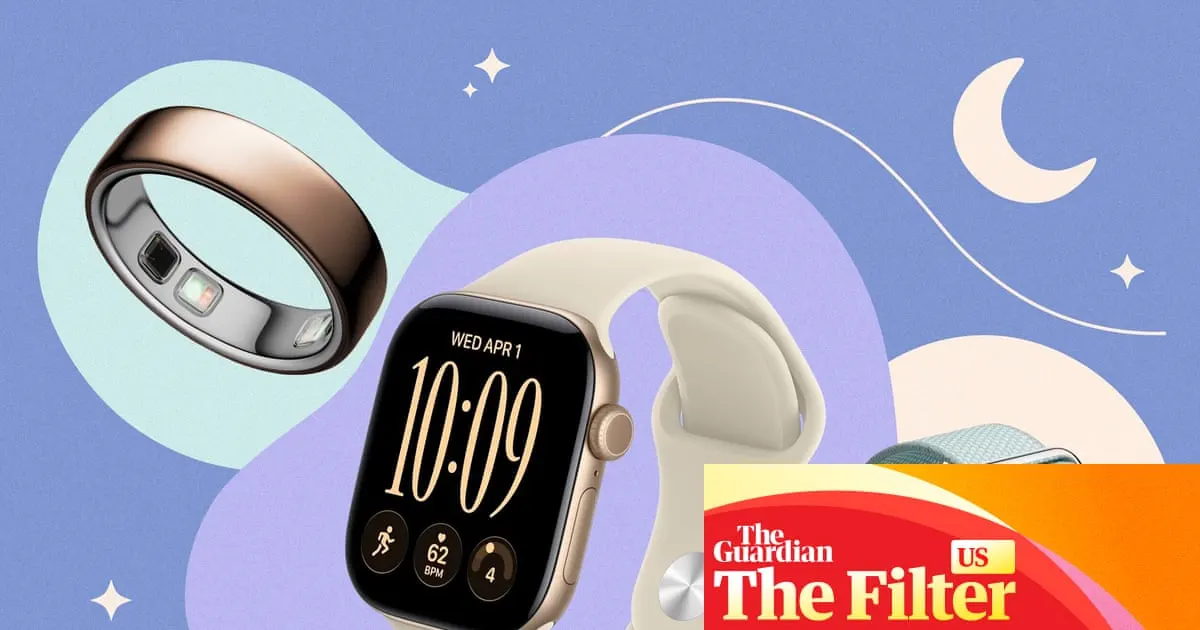
A consumer technology journalist tested 11 sleep trackers, wearing up to five devices at once for at least seven nights each, to compare how they monitor sleep. The article says wearables can help users spot possible links between habits and sleep, though the measurements are not a substitute for clinical assessment.
The review compared sleep duration and stages, heart rate and heart rate variability where available, as well as comfort, battery life and app usability. The Oura Ring 5 was used as the accuracy benchmark and named the top pick for its slim design, detailed tracking and accessible app; the supplied article text ends during its description, so it does not include the full set of recommendations.
In short
- The journalist compared 11 sleep tracking wearables.
- Devices were worn for at least seven nights each.
- Oura Ring 5 was named the leading pick.
Explained simply
Sleep trackers are consumer devices, such as rings, watches and wristbands, that estimate how long someone sleeps and may also record movement, heart rate or other signals. Their apps can help people notice whether routines, such as exercise or bedtime, seem to coincide with changes in their sleep.
The devices use different sensors and methods, so their estimates of sleep stages and other measures may vary. They can offer general information, but they do not diagnose sleep problems or replace an assessment by a health professional.
The review compared 11 devices on their tracking, comfort, battery life and apps, using an Oura Ring 5 as its accuracy benchmark. It named that ring its top pick; the supplied account does not include all of the review’s recommendations.
Entertainment Music Technology