World news and discussion on TalkFuse.
Vladimir Putin’s £150million warship DESTROYED off Libyan coast in humiliating blow to Russia
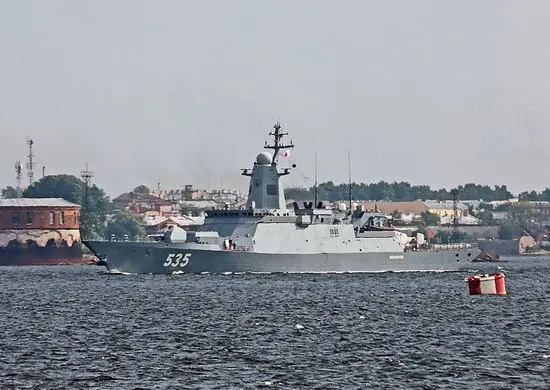
A Russian naval vessel, believed to be the corvette Merkury, was reportedly destroyed by a major explosion while docked at Benghazi in eastern Libya. Authorities are investigating the cause, including the possibility of a drone attack; the incident matters because it may show Russian maritime assets are vulnerable far from the war in Ukraine.
The vessel was reportedly in port to refuel and take on supplies while escorting Russian cargo ships carrying military equipment. Commissioned in 2023, the 344-foot corvette has a crew of about 90 and is formally part of Russia’s Black Sea Fleet; the explosion was around 1,300 miles from the Ukrainian front lines. No group has claimed responsibility, and officials have not confirmed whether the ship or its cargo was targeted.
In short
- A Russian corvette was reportedly destroyed in Benghazi.
- Investigators are examining a possible drone attack.
- The blast occurred far from the Ukrainian front lines.
Steelman: both sides, in good faith
The strongest fair case each way — we don't pick a winner.
The case for
If the reports are confirmed, destroying a Russian warship in a foreign port could expose the reach and vulnerability of Russia’s military supply network, including assets operating far from Ukraine. Those who see strategic value in the incident may argue that disrupting vessels carrying military equipment could constrain Russia’s capacity to wage war, while a careful investigation is needed to establish who was responsible and what was targeted.
The case against
The explosion’s cause, the vessel’s identity and whether the ship or its cargo was deliberately targeted remain unconfirmed, so treating it as a clear military setback risks overstating what is known. A thoughtful sceptic could also argue that celebrating an attack in a third country may encourage escalation and obscure the risks to port workers, civilians and regional stability; responsibility and consequences should be assessed on verified evidence.