Science news and discussion on TalkFuse.
Cop31 left Chris Bowen stuck between petrostates and climate reality. But the failure to say the f-word is not his alone
Developed over time first seen 10 hours ago
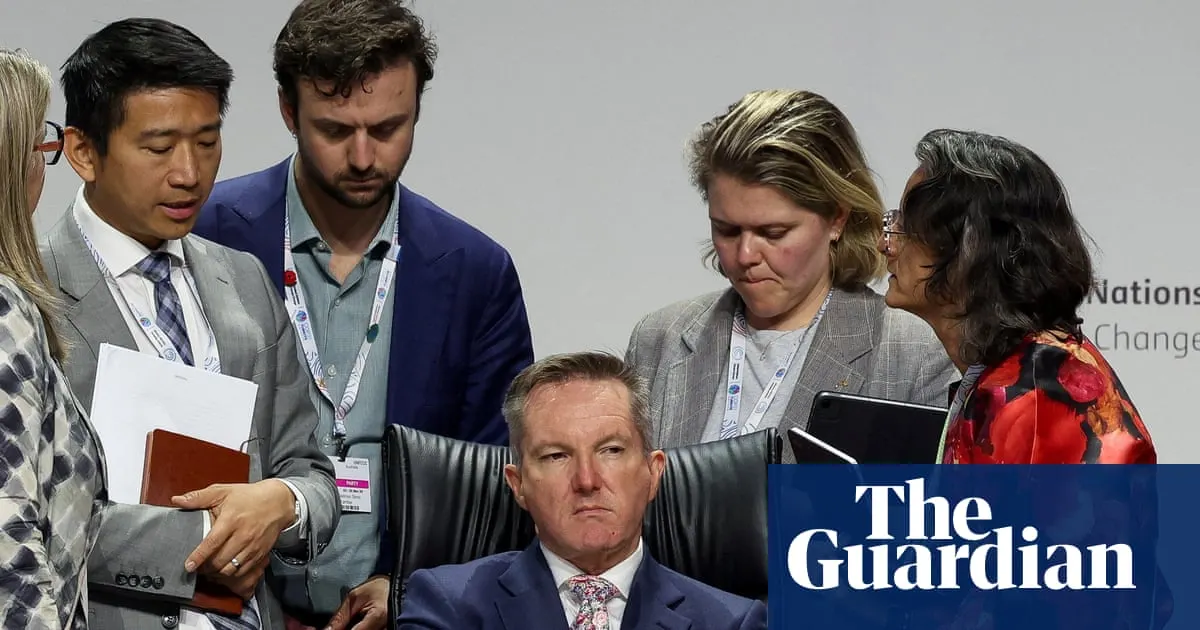
Australia’s climate minister, Chris Bowen, could face criticism after the UN climate summit in Turkey ended without the planned Antalya pact. As negotiations chair, he tried to bridge opposing demands over whether the agreement should refer to moving away from fossil fuels, but the divide proved insurmountable.
The summit, which ran beyond its scheduled Friday finish and became the longest UN climate talks, was also meant to support renewable energy, electrification and finance for countries affected by climate damage. A draft proposed referring to the earlier Dubai decision without naming fossil fuels; the EU and several other countries rejected that wording, while some states threatened to veto any explicit reference. More than 90 countries backed a proposed target for electricity to provide 35% of final energy by 2035, but it was not enough to secure the pact.
- Sources
- 2
- Outlets
- 1
- Left · Centre · Right
- 2 · 0 · 0
In short
- COP31 ended without its planned climate pact.
- Countries could not agree on language about fossil fuels.
- Over 90 countries backed a 2035 electrification target.
How this story developed
- 4 hours ago Australia’s climate minister, Chris Bowen, could face criticism after the UN climate summit in Turkey ended without the planned Antalya pact.
Full account
The failure of the Cop31 climate summit in Turkey to agree an overarching statement has put Australia’s climate change minister, Chris Bowen, under scrutiny. Bowen chaired negotiations alongside his Turkish counterpart, Murat Kurum, as countries tried to settle a text addressing clean energy, finance for developing nations and the consequences of rising global temperatures. The talks ran well beyond their scheduled finish, but the proposed agreement was ultimately rejected.
The central dispute was whether the text should explicitly reaffirm the need to move away from fossil fuels. That principle had been agreed at the UN climate talks in Dubai three years earlier. At Cop31, the European Union and several countries vulnerable to climate damage insisted that the new agreement say so plainly. Saudi Arabia and Russia were among the countries opposed to including such language.
The final drafts offered a compromise: they referred back to the Dubai decision as a whole without naming fossil fuels. That wording did not satisfy the European Union, Panama, the Marshall Islands, Vanuatu, Norway or Belize. Ireland’s climate minister, Darragh O’Brien, said the omission was unacceptable. With neither side prepared to accept the other’s position, the proposed overarching agreement fell away.
Bowen said he would have welcomed an explicit reference to moving away from fossil fuels, but believed it could not have won the necessary support. He described the opposing demands as impossible to reconcile. He also pointed to a separate pledge by more than 90 countries to increase electrification to 35% by 2035, while acknowledging that the summit’s outcome was deeply disappointing. Such a pledge could reduce fossil fuel use if countries carry it out, but it did not resolve the dispute over the conference’s shared text.
The result raises questions about Australia’s position as well as Bowen’s handling of the negotiations. Australia is a major coal and gas exporter and faced criticism during the conference for continuing to support new export developments. Prime minister Anthony Albanese had also drawn criticism for giving a summit speech that did not name fossil fuels. He later argued that a short speech could not address every issue.
After the talks broke down, Albanese defended Bowen and attributed the outcome to difficult geopolitical conditions. He emphasised Australia’s work with Pacific leaders and said credible engagement with the region required action on climate change. His defence places the failed negotiations in the context of a wider international divide, though it does not settle questions about Australia’s own fossil fuel policies.
Where outlets differ
From the full account, which is AI-written from the sources:
Source 1 concentrates on the negotiations themselves, the disputed wording and the tension between Australia’s climate diplomacy and its fossil fuel exports. Source 2 gives more weight to the aftermath in Australian politics, including Albanese’s defence of Bowen, calls for his resignation and Bowen’s account of the separate electrification pledge.
Steelman: both sides, in good faith
The strongest fair case each way — we don't pick a winner.
The case for
Bowen’s defenders could argue that, as chair, he had to hold together countries with sharply conflicting interests and that a compromise reference to the Dubai decision might have kept cooperation on renewables, electrification and climate finance moving. A pact with broad support could have helped sustain negotiations, even if it fell short of explicitly naming fossil fuels.
The case against
Critics could argue that avoiding an explicit commitment to move away from fossil fuels weakened the summit’s response to the central cause of climate change and risked making earlier pledges easier to sidestep. Since many countries backed a renewable electricity target and the EU rejected the softer wording, they may see the failure to secure a stronger pact as a consequence of excessive compromise, not simply an unavoidable divide.
Coverage · 2 sources
Bias meters
From 2 rated sources.
Climate Geopolitics Government Politics Science World