World news and discussion on TalkFuse.
Trump faces pressure as deadline over gray wolves looms — killing farmers’ livestock
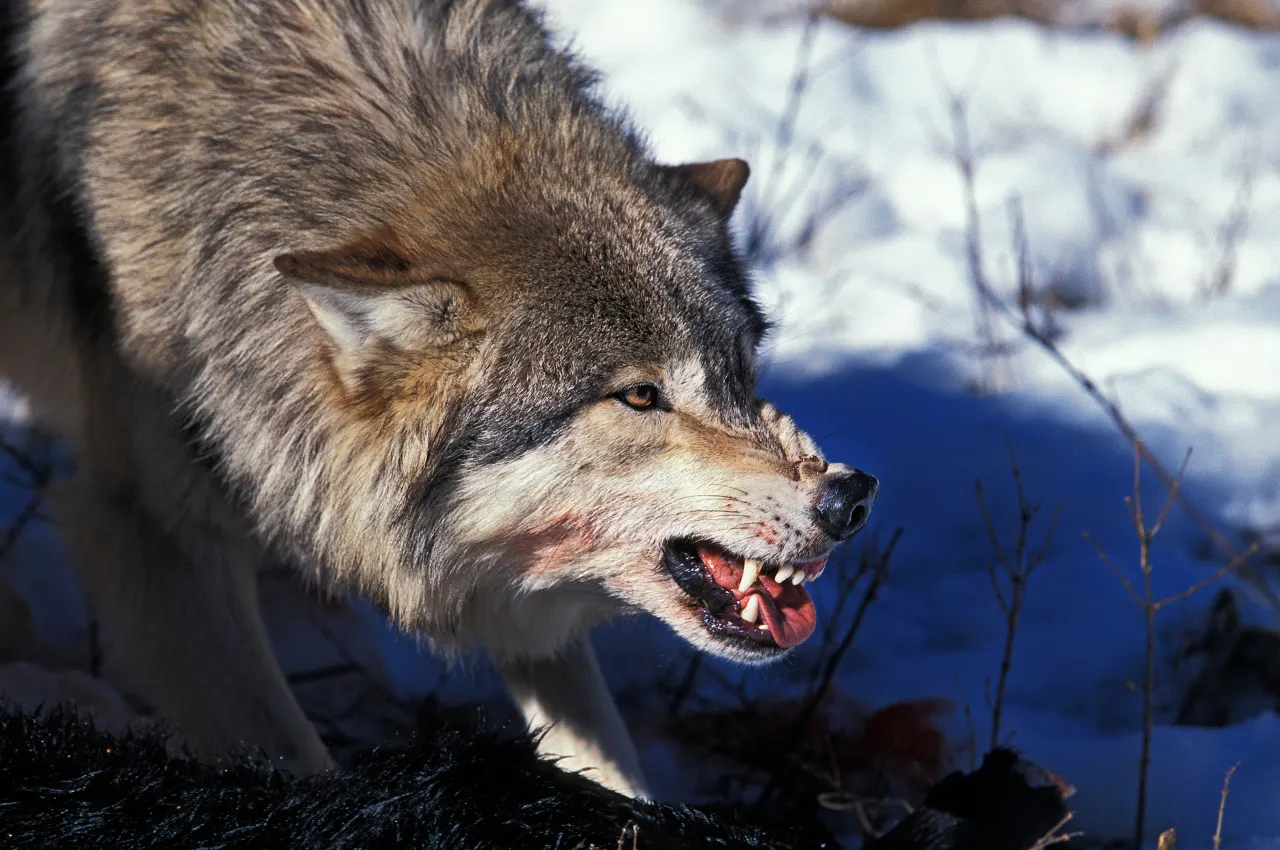
The Trump administration faces a 3 December deadline to decide whether grey wolves and Mexican wolves meet recovery criteria under the Endangered Species Act. The decision could start a process to remove or reduce federal protections, intensifying a dispute between farmers seeking more control over wolves that kill livestock and conservationists who want the animals protected.
Minnesota farmer Shayne Isane says wolves have killed several of his calves and that he has seen 50 to 100 wolves over the past 25 years. Three calves were killed in one night, he said; losses can cost about $3,000 per animal, while Minnesota reimburses verified losses in full if farmers retain the carcass and report within 48 hours. The article says the decision could affect Minnesota, Wisconsin, Michigan, California and Colorado, and cites an estimated 2,400 grey wolves in Minnesota.
In short
- A federal decision on wolf protections is due by 3 December.
- Minnesota farmer Shayne Isane reports losing calves to wolves.
- Verified livestock losses in Minnesota can be reimbursed in full.
Steelman: both sides, in good faith
The strongest fair case each way — we don't pick a winner.
The case for
Farmers who lose livestock to wolves have a legitimate interest in protecting their herds and livelihoods, especially where repeated attacks impose substantial costs and disruption. If wolf populations have recovered sufficiently, reducing federal protections could give states more flexibility to manage conflicts and respond to local conditions.
The case against
Federal protections can help sustain wolf populations across their range and guard against renewed declines, particularly where recovery remains uneven or uncertain. Conservationists may argue that livestock losses should be addressed through compensation and conflict prevention while keeping protections in place until the species’ recovery is robust.
Explained simply
Grey wolves and Mexican wolves are protected under the US Endangered Species Act, which limits actions that could harm them. The law allows federal officials to review whether a species has recovered enough for those protections to be reduced or removed.
Farmers in areas where wolves live say attacks on livestock can cause substantial losses, and some seek more freedom to manage wolves. Conservationists argue that federal protections remain important for the animals’ survival; the dispute affects states including Minnesota, Wisconsin, Michigan, California and Colorado.
Minnesota is home to an estimated 2,400 grey wolves, and the state reimburses farmers for verified livestock losses if they report them promptly and keep the carcass. The federal review matters because its outcome could shape how wolves are protected and managed across several states.