Science news and discussion on TalkFuse.
COP31 ends without major deal after fossil fuel and finance disputes
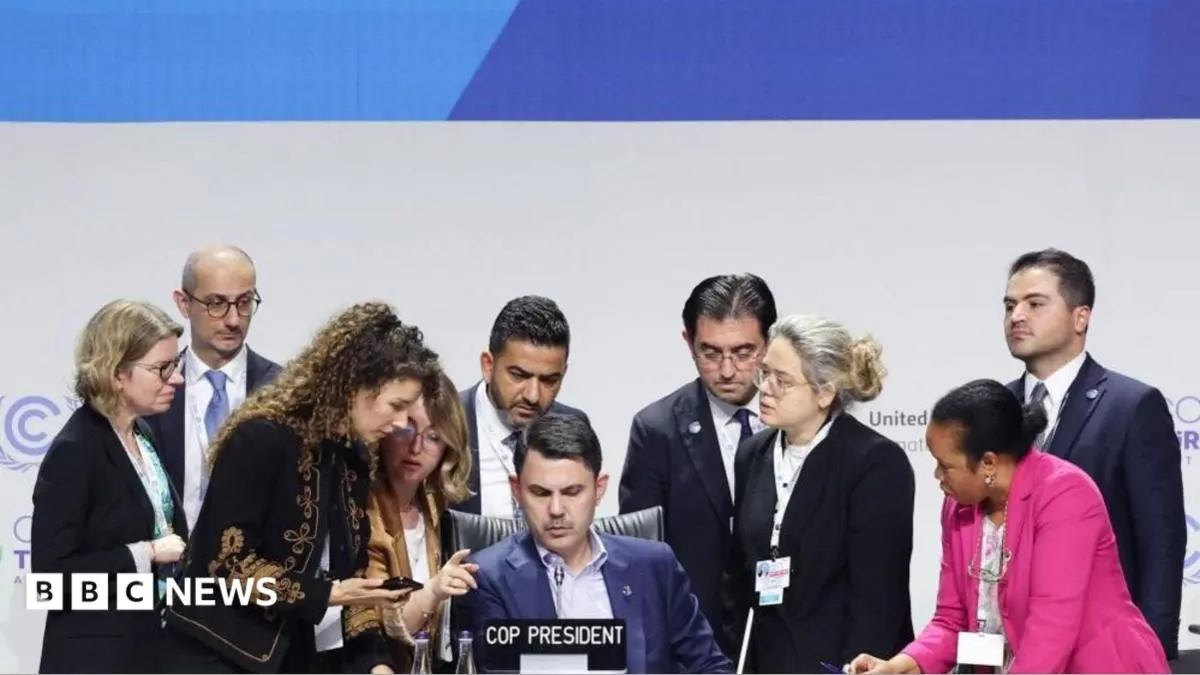
Countries at the UN COP31 climate talks in Turkey failed to agree a major new deal, exposing divisions over fossil fuels and financial support for poorer nations. The draft agreement did not name fossil fuels, despite their central role in global warming, and included no concrete funding figures for countries adapting to climate impacts.
Negotiations ran from their planned Friday finish until Sunday, making this the longest UN climate conference in history. The EU, Pacific island nations and others rejected the draft as too weak, while oil-producing countries resisted stronger language; the last collapse of a COP’s main political agreement was in Copenhagen in 2009. The talks also followed last year’s pledge to triple adaptation finance, but this year’s text did not specify amounts or a baseline.
In short
- COP31 ended without a major climate deal.
- The draft did not mention fossil fuels.
- No concrete adaptation finance figures were agreed.
Steelman: both sides, in good faith
The strongest fair case each way — we don't pick a winner.
The case for
A broad agreement may be more useful than a stronger text that oil-producing countries would reject, since continued participation keeps channels open for future negotiations. Governments also have reason to avoid committing to specific adaptation funding figures before they have agreed how costs will be shared and financed.
The case against
Without naming fossil fuels or setting concrete adaptation funding figures, the agreement risks failing to address the main causes of warming or give vulnerable countries a credible basis for planning. The EU, Pacific island nations and others could reasonably argue that a weak consensus offers little value if it leaves earlier finance pledges without measurable follow-through.
Explained simply
UN climate conferences bring together almost every country to negotiate shared responses to global warming. Their agreements are usually reached by consensus, so governments with different interests must accept the same text.
Fossil fuels such as coal, oil and gas are the main source of greenhouse gas emissions from human activity. Countries also disagree over who should pay for poorer nations to adapt to climate impacts, including floods, droughts and rising seas; many of those nations have contributed relatively little to the emissions that drive warming.
The European Union and Pacific island countries have called for stronger action, while oil-producing countries have resisted firmer language on fossil fuels. These disputes matter because conference agreements can set shared goals and guide climate funding, though countries decide how to put them into practice.
Read the full article at the source →
Originally published by BBC World as “COP31 fails to reach major climate deal as talks expose deep divisions”.