Science news and discussion on TalkFuse.
Can restored wetlands help protect San Francisco Bay from rising seas?
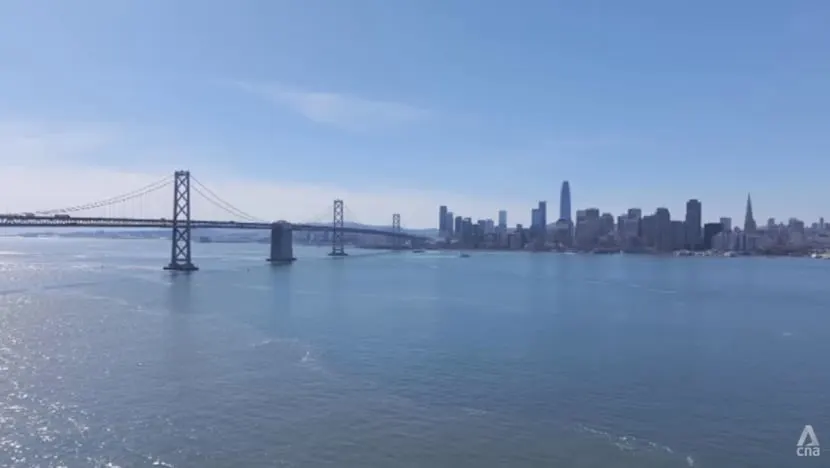
Rising seas threaten homes and infrastructure around San Francisco Bay, leading conservationists and local agencies to restore wetlands and develop nature-based coastal defences. The work aims to reduce flooding while also restoring habitats and, in some plans, improving wastewater treatment.
About 80 to 90 per cent of the Bay’s historic tidal marshes have been lost to development and other land uses. At a restored site opened in 2023, sediment has already accumulated enough to support plant growth; a sloping ecotone is designed to slow incoming water further. A separate horizontal levee project at Hayward Shoreline is scheduled to begin construction in 2028, while a developing El Niño could raise California coastal water levels by as much as 30cm.
In short
- Wetland restoration aims to soften rising seas around San Francisco Bay.
- Most of the Bay’s historic tidal marshes have disappeared.
- A planned horizontal levee would also help treat wastewater.
Explained simply
San Francisco Bay’s tidal wetlands sit between the open water and the developed shoreline. They can absorb and slow waves, trap sediment and provide habitat for wildlife. About 80 to 90 per cent of the Bay’s historic tidal marshes have been lost to development and other land uses.
As sea levels rise, homes, roads and other infrastructure around the Bay face greater flood risk. Conservation groups and local agencies are restoring wetlands and exploring nature-based defences, which use features such as marshes and sloping shorelines to help manage water. Some projects are also designed to support wastewater treatment, linking coastal protection with other local needs.
Climate Entertainment Science TV World