Business news and discussion on TalkFuse.
Australia’s economy is flashing a major warning sign: Why experts fear we could be heading into recession by Christmas
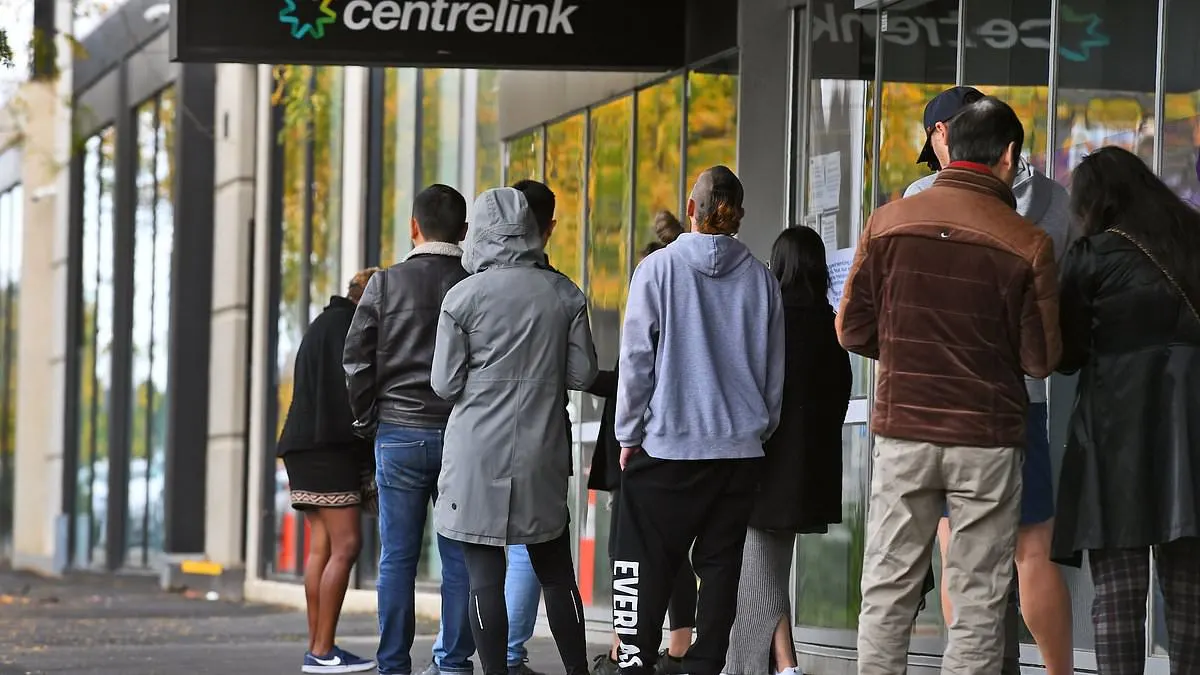
Australia’s unemployment rate rose to 4.9 per cent in October, its highest level since 2021, after 44,000 jobs were lost in a month. The increase has renewed recession concerns because the country is nearing a labour-market warning threshold that could signal a downturn before official growth figures are available.
More than 750,000 people are officially unemployed, and Australia’s current reading under the Sahm Rule is 0.6 percentage points; the Reserve Bank has suggested 0.75 points may be a more suitable threshold locally. Economist Saul Eslake says it could be reached in December if unemployment keeps rising, while other economists warn of recession or stagflation; the RBA’s Sarah Hunter said in October that indicators did not point to an approaching recession. HSBC economist Paul Bloxham said further rate rises look unlikely, but rate cuts may not come soon.
In short
- Unemployment reached 4.9 per cent in October.
- Australia is nearing a recession warning threshold.
- Economists disagree on whether a downturn is already under way.
Steelman: both sides, in good faith
The strongest fair case each way — we don't pick a winner.
The case for
The rise in unemployment, substantial monthly job losses and a Sahm Rule reading moving towards the proposed Australian warning threshold give reason to worry that demand and hiring are weakening. If that trend continues, recession could arrive before official growth data confirm it, while persistent inflation could make the downturn harder to address.
The case against
A rising unemployment rate and a warning indicator are reasons to monitor the economy, but they do not by themselves establish that a recession is imminent. The Reserve Bank has said its indicators did not point to an approaching recession, and the locally relevant threshold may differ; the outlook therefore remains uncertain rather than settled by this month’s figures.
Explained simply
Australia’s economy depends heavily on household spending, so changes in jobs and unemployment can affect how much people buy and how businesses fare. A recession generally means the economy shrinks for a sustained period, though official growth figures arrive after the events they measure.
The Sahm Rule is a measure that compares recent unemployment with its lowest level over the previous year; in the United States, a rise past a set threshold has often coincided with recessions. Australian economists, including Saul Eslake, and the Reserve Bank of Australia (RBA), led on monetary policy by its governor, assess employment alongside other signs such as spending, prices and economic growth.
A downturn could mean fewer jobs and weaker incomes, while stagflation refers to sluggish growth alongside high inflation. The RBA’s interest-rate decisions affect borrowing costs for households and businesses, so its assessment matters to people with mortgages, savers and employers.