Entertainment news and discussion on TalkFuse.
Pete Seeger’s history of ‘This Land Is Your Land’: “Never played on the radio, never played on TV”
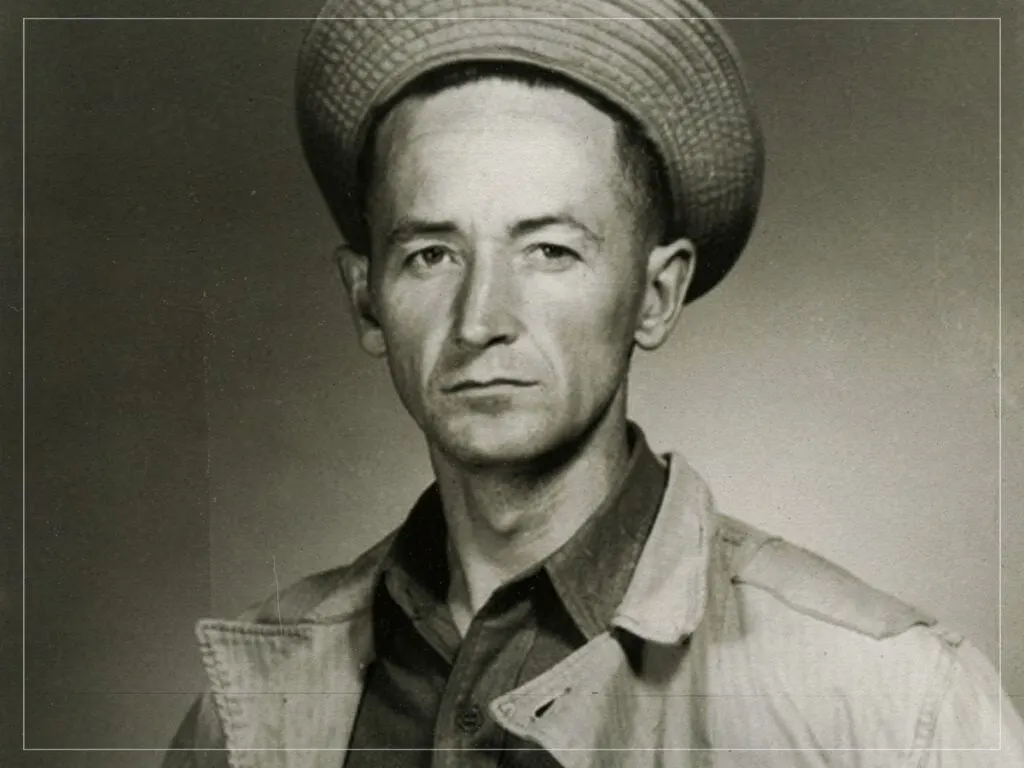
Woody Guthrie’s “This Land Is Your Land” became a widely known American folk song despite his left-wing politics and the song’s lack of radio or television exposure. Pete Seeger said its popularity grew after it entered school songbooks, where children learned and passed it on.
During the 1950s, music publisher Howie Richmond licensed the song to school songbook and textbook publishers for as little as $1. Seeger also performed it widely; he said millions of children knew it within 15 years, and that almost everyone knew it within 25. Some school versions leave out verses critical of the government and one about trespassing, which challenges ideas of ownership and access to land.
In short
- Schools helped make Guthrie’s song a national folk standard.
- Publisher Howie Richmond licensed it for as little as $1.
- School versions often omit verses that challenge the status quo.
Steelman: both sides, in good faith
The strongest fair case each way — we don't pick a winner.
The case for
Including “This Land Is Your Land” in school songbooks helped make a memorable, accessible folk song part of children’s shared culture, allowing it to spread widely even without broadcast exposure. Supporters may see teaching it as a way to connect pupils with American history and a common musical heritage.
The case against
Critics may argue that school versions which omit verses about government policy and access to land present an incomplete account of Guthrie’s intentions. They may favour teaching the full lyrics, so children can engage with the song’s political questions as well as its patriotic imagery.
Explained simply
Woody Guthrie wrote “This Land Is Your Land” in the 1940s, during a period when his music often reflected his left-wing politics. Pete Seeger was another prominent American folk singer who helped bring folk songs to wider audiences.
In the 1950s, music publisher Howie Richmond licensed Guthrie’s song to school songbook and textbook publishers. Children learned it in class and passed it on, while Seeger also performed it widely. Some school versions omit verses that criticise the government or question who can claim access to land.