Science news and discussion on TalkFuse.
Losing to the Mud: Feds Drag Their Feet as an Alaskan Village Sinks
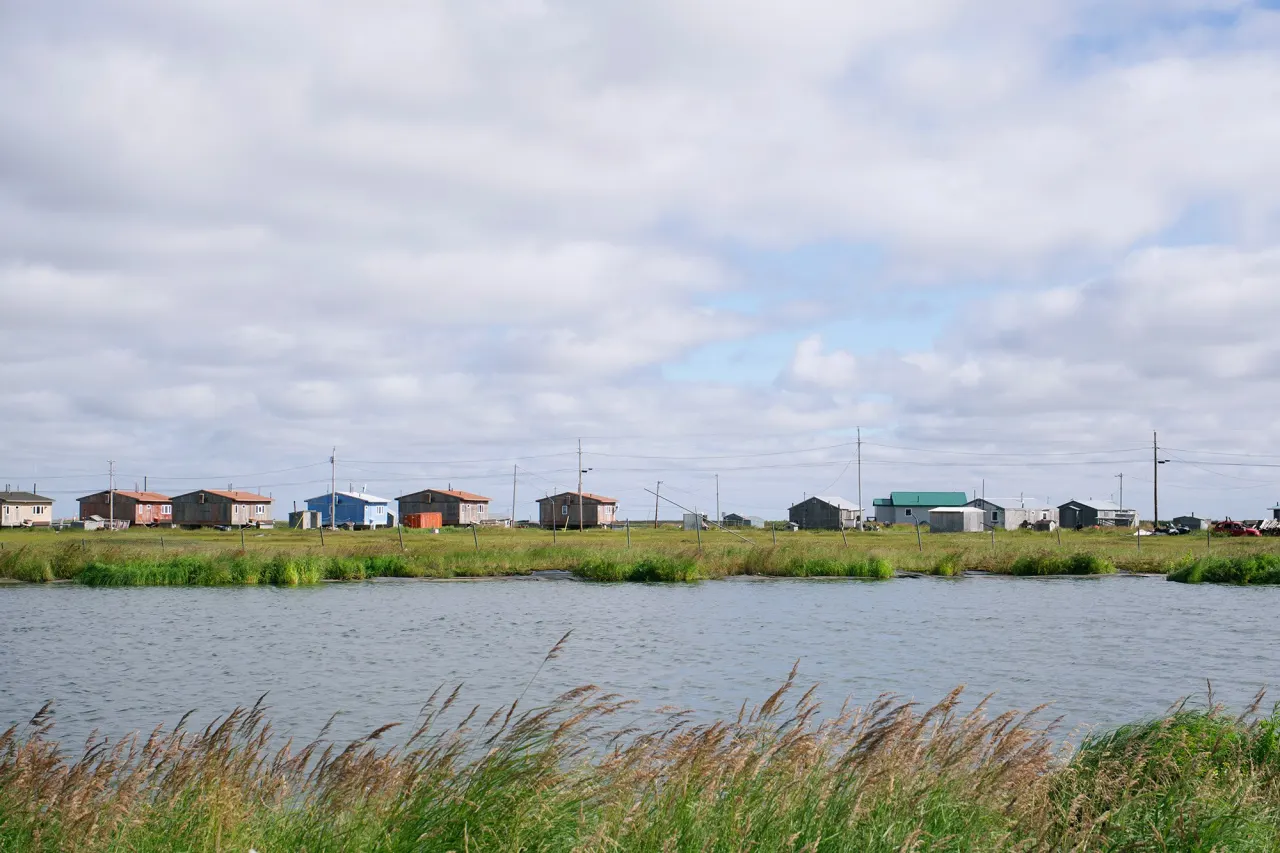
The Yup’ik village of Nunapitchuk in Alaska is sinking as permafrost thaws, increasing the risks of flooding and erosion. Residents want help moving the community about a mile uphill, but years of requests have met delays, leaving tribal leaders to navigate a fragmented system of federal agencies and funding.
Nunapitchuk has about 620 residents and covers roughly seven square miles; a federal analysis found almost the entire village could be inundated in a 100-year flood under projections for 2030 to 2050. Tribal leaders warned the Army Corps of Engineers in 2018 that the village might become uninhabitable and asked for help assessing relocation, but cost-sharing requirements posed a barrier and records show no relocation planning followed that request. More than 20 federal agencies may have a role in climate-related relocation, while government auditors have called for clearer leadership.
In short
- Nunapitchuk is sinking as permafrost thaws.
- The village wants to move about a mile uphill.
- Federal delays and fragmented responsibility have stalled help.
Steelman: both sides, in good faith
The strongest fair case each way — we don't pick a winner.
The case for
The village faces a serious and growing threat: thawing permafrost, flooding and erosion could make Nunapitchuk unsafe, and federal analysis indicates extensive inundation is possible. Residents have sought help for years, so a coordinated federal role could provide the planning, expertise and funding needed to protect people and preserve their community before options narrow.
The case against
Federal agencies have limited budgets and must weigh relocation requests against other urgent needs, while moving an entire community raises difficult questions about cost, land, infrastructure and local consent. Shared responsibilities and cost-sharing rules can help ensure decisions are assessed consistently and resources are accountable, though they also make clear coordination essential.
Explained simply
Nunapitchuk is a Yup’ik village in western Alaska, where much of the ground is permafrost: soil that stays frozen for long periods. As temperatures rise and permafrost thaws, the land can become unstable, increasing the risk of flooding and erosion.
The village has about 620 residents, and its tribal leaders have sought help to move the community to higher ground. In the United States, support for relocating communities can involve many federal agencies, each with different responsibilities and funding rules.
The issue matters because flooding and erosion can threaten homes, services and the safety of residents. Moving a whole community also requires planning, funding and agreement on which agencies will help.