Politics news and discussion on TalkFuse.
‘Babylon on the Potomac’: Pete Hegseth’s Radical DC Church Attracts Government Elites
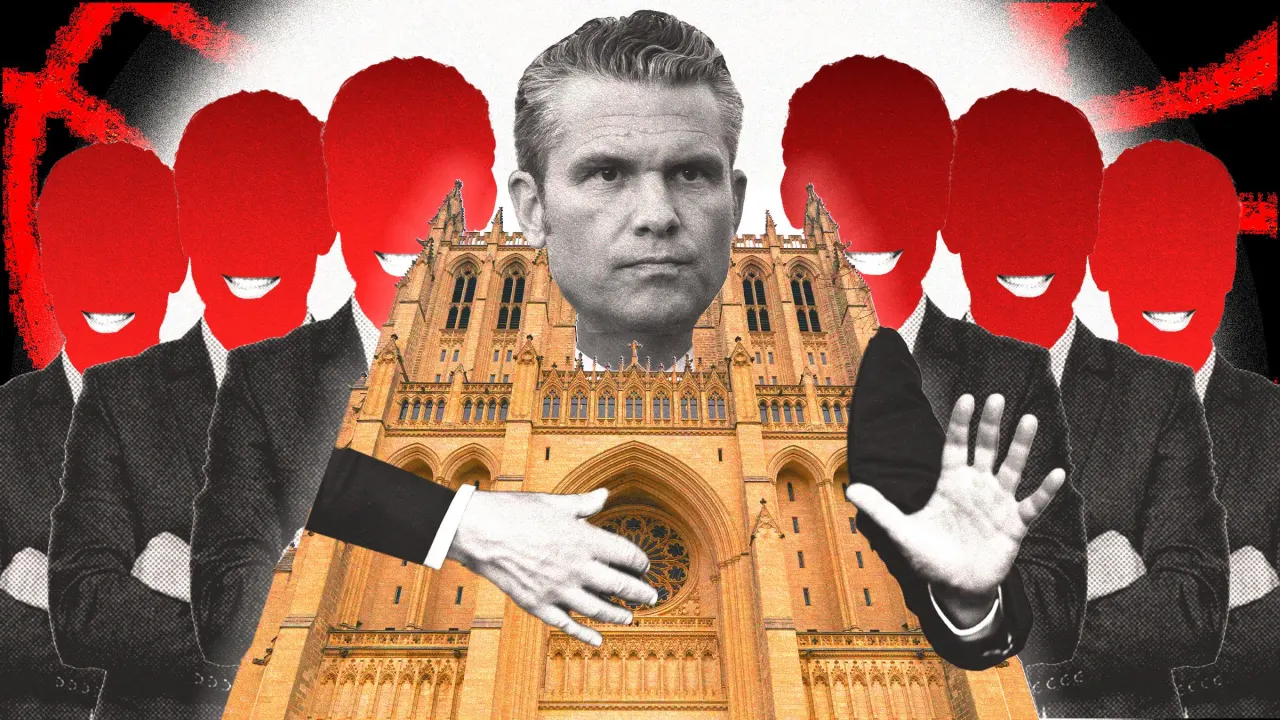
Christ Church DC, part of Pastor Doug Wilson’s conservative church network, has attracted visits from about a dozen US government officials since opening near Capitol Hill. Its growing presence has drawn attention because Wilson advocates reshaping American institutions around his interpretation of biblical law, while Defence Secretary Pete Hegseth’s membership has helped bring the church closer to influential political circles.
Officials reported to have attended include senior figures in homeland security, health diplomacy and international finance, as well as Pentagon and Navy personnel and a federal immigration judge. Wilson has said his network has more connections in national government than before and is seeking a permanent church building near Capitol Hill; the Pentagon says Hegseth values Wilson’s teaching and that staff may attend the church of their choice.
In short
- About a dozen officials have attended Christ Church DC.
- The church is part of Doug Wilson’s CREC network.
- Hegseth’s membership has increased its government connections.
Steelman: both sides, in good faith
The strongest fair case each way — we don't pick a winner.
The case for
Supporters may see Christ Church DC as a lawful expression of religious freedom and civic participation: officials, like other citizens, can choose their church, and attending does not by itself show that they are imposing its doctrines on government. They may also argue that Wilson’s views should be judged through open debate, while a church’s proximity to political leaders can provide a legitimate voice in public life.
The case against
Critics may argue that Wilson’s stated aim of reshaping institutions around his interpretation of biblical law makes the church’s growing access to senior officials a matter of public concern, particularly when members hold positions with substantial government influence. They may see the overlap as risking blurred boundaries between personal faith and public duty, and argue that transparency and scrutiny are warranted even without evidence that officials have acted on the church’s teachings.