Business news and discussion on TalkFuse.
Nvidia Is Powering Brain-Computer Interfaces Now
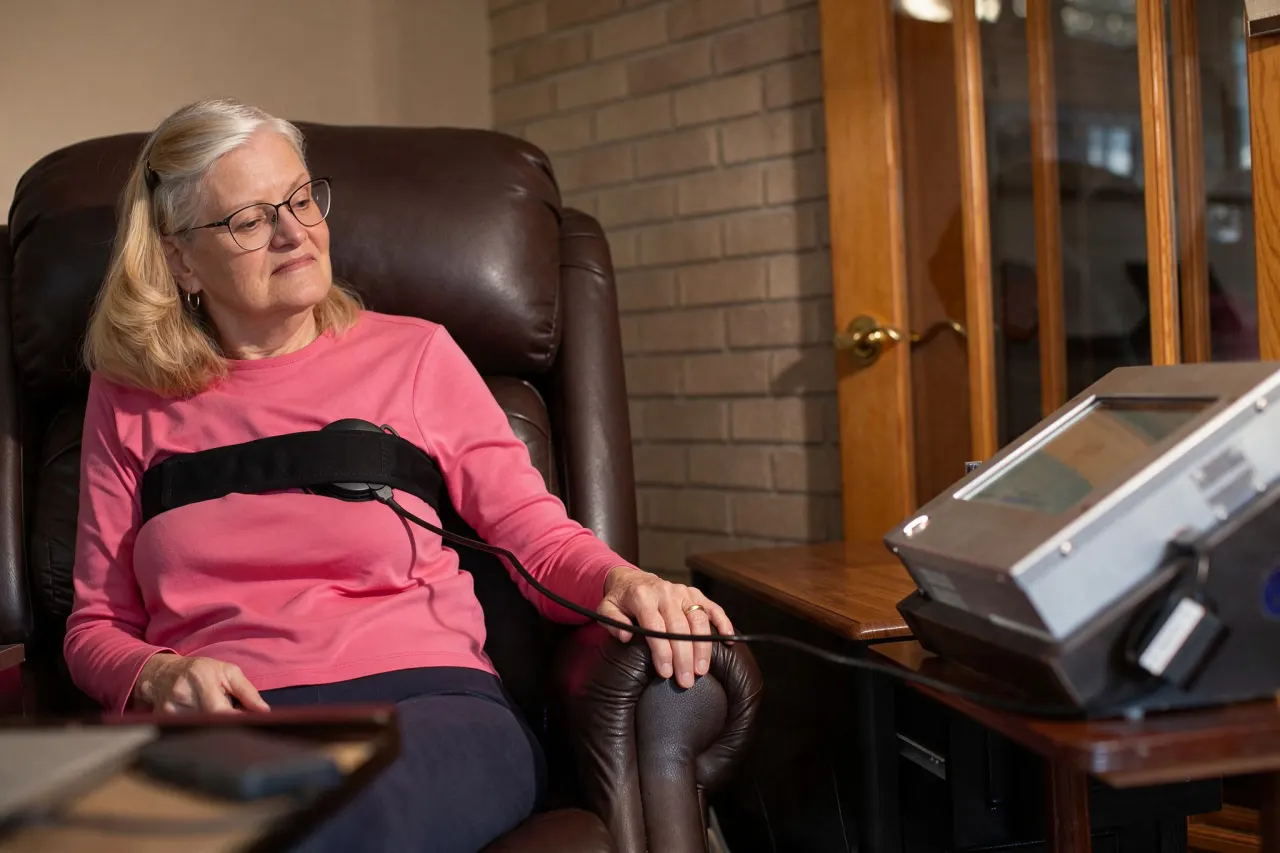
Paradromics has partnered with Nvidia to make its brain-computer interface smaller and more portable. The system decodes brain signals into speech for people who have difficulty speaking, and moving the processing into a compact device could give users more freedom to communicate away from a power-hungry electronics cart.
The implant captures brain activity through more than 400 electrodes, while AI infers the words a person is trying to say. Paradromics plans to use Nvidia’s low-power Jetson module and Holoscan software to process neural signals and other sensor data locally, aiming to reduce delays and avoid the need for an internet connection. Its chief scientific officer says foundation models could also make synthesized voices more expressive.
In short
- Paradromics is using Nvidia technology to shrink its brain-computer interface.
- The implant captures speech-related signals through more than 400 electrodes.
- Local processing could reduce delays and remove the need for internet access.
Explained simply
Brain-computer interfaces connect brain activity to a computer, allowing a person to control technology without speaking or moving in the usual way. Paradromics is developing an implanted system that records signals through more than 400 electrodes and uses AI to work out which words a person is trying to say.
Nvidia makes computer chips and software, including small modules designed to run AI tasks. Paradromics plans to use Nvidia’s Jetson module and Holoscan software to process signals in a compact device, with the aim of helping people with difficulty speaking communicate more freely and with less delay, even without an internet connection.
Business Companies Software Technology