World news and discussion on TalkFuse.
Israeli attacks have turned Gaza into ‘toxic wasteland’, Oxfam says
Developed over time first seen 20 hours ago
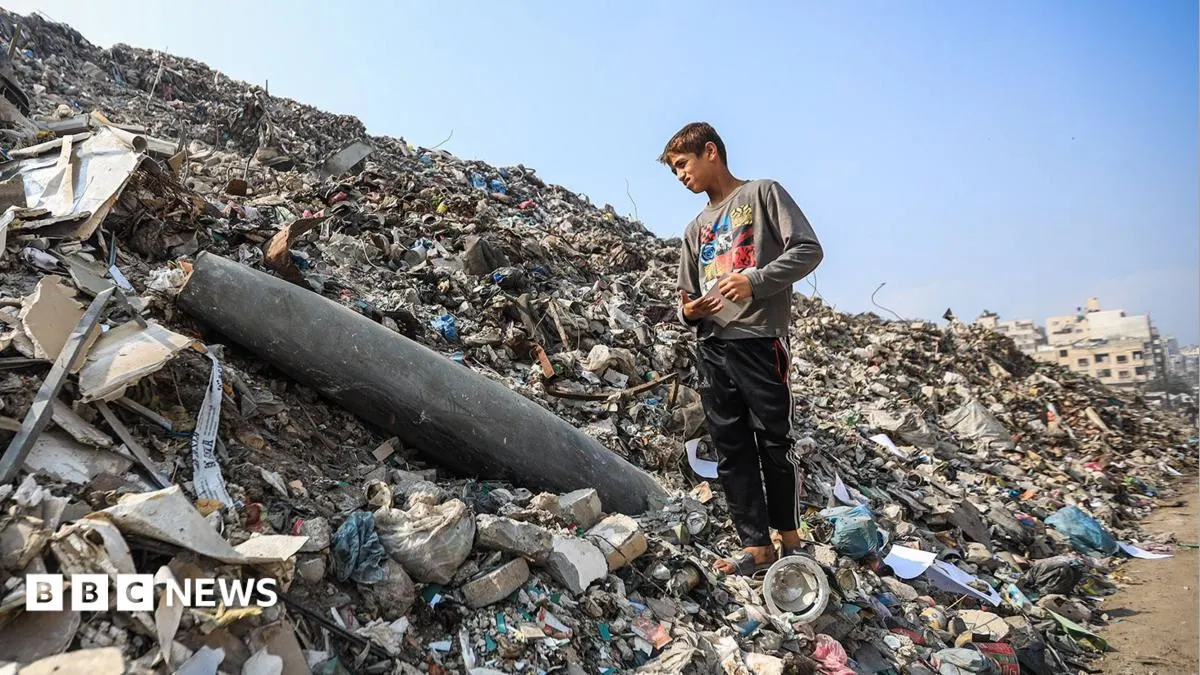
A report by Oxfam and the Conflict and Environment Observatory says Israeli military attacks have left indicators of potential environmental contamination across more than 99% of Gaza. It warns that hazardous materials could threaten Palestinians’ health and the conditions needed for safe living for decades.
The report draws on satellite imagery, remote sensing and other open-source data, and identifies risks from heavy metals, explosive residues, asbestos and sewage. The UN estimates that more than 200,000 tonnes of explosives were dropped on Gaza in almost two years, while a previous assessment put debris from damaged homes and infrastructure at over 61 million tonnes. All six wastewater treatment plants are out of operation; Oxfam calls for an independent environmental assessment before clean-up. Israel’s embassy criticised the report’s methods, and Israel rejects genocide accusations, describing its campaign as self-defence against Hamas.
- Sources
- 2
- Outlets
- 2
- Left · Centre · Right
- 1 · 1 · 0
In short
- Oxfam finds contamination indicators across more than 99% of Gaza.
- Pollution and sewage could pose long-term health risks.
- The report calls for an independent assessment before clean-up.
How this story developed
- 10 hours ago The new Oxfam report describes Gaza as a “toxic wasteland”, finding indicators of potential environmental contamination across more than 99% of the territory. It warns that pollution from Israeli military attacks could threaten Palestinians’ health and safety for decades.
- 16 hours ago An Oxfam report says more than 99% of Gaza shows indicators of potential environmental contamination linked to Israeli military attacks. It warns that pollutants from explosives, damaged buildings and disrupted water and sewage systems could threaten Palestinians’ health for years.
- 17 hours ago A report by Oxfam and the Conflict and Environment Observatory says Israeli military attacks have left indicators of potential environmental contamination across more than 99% of Gaza. It warns that hazardous materials could threaten Palestinians’ health and the conditions needed for safe living for decades.
Where outlets differ
Left-leaning outlets 1
Only here: israel
Centre outlets 1
Only here: israeli, attacks, oxfam
Every side used: gaza, turned, toxic, wasteland
Headline columns compared word for word; nothing in them is AI-written.
Steelman: both sides, in good faith
The strongest fair case each way — we don't pick a winner.
The case for
The report’s findings point to a grave environmental and public-health burden, with widespread debris, damaged sewage infrastructure and possible toxic exposure threatening civilians long after the fighting ends. Supporters of its call for an independent assessment argue that credible testing is needed to identify hazards, guide safe reconstruction and establish responsibility for damage.
The case against
Israel’s strongest case is that its campaign is directed at Hamas after attacks on Israel, and that military action in a densely populated area can damage infrastructure even when civilian harm is not intended. It may also argue that satellite and open-source indicators cannot by themselves establish the presence, source or health effects of specific contaminants, so claims about long-term risks and responsibility should await independent on-the-ground testing.
Explained simply
Gaza is a small, densely populated territory on the Mediterranean, home to more than two million Palestinians. Hamas has governed Gaza since 2007, and Israel has imposed restrictions on movement and goods into and out of the territory; Egypt also controls one of its borders.
The current war began after Hamas-led attacks on Israel on 7 October 2023, in which about 1,200 people were killed and hostages were taken. Israel launched a military campaign in Gaza, saying its aims are to defeat Hamas and bring the hostages home; the fighting has caused extensive damage to homes, infrastructure and essential services.
Oxfam is an international aid organisation, and the Conflict and Environment Observatory studies the environmental effects of conflict. Their concerns matter because damaged sewage systems, rubble and possible pollutants can affect health and make safe rebuilding harder; the extent of contamination and its long-term effects require further assessment.
Coverage · 2 sources
Bias meters
From 2 rated sources.