World news and discussion on TalkFuse.
No oxygen equipment, just seaweed: Why Byron Bay doula Sita Kali – at centre of ‘free birth’ baby deaths probe – refused life-saving technology: ‘Babies always breathe’
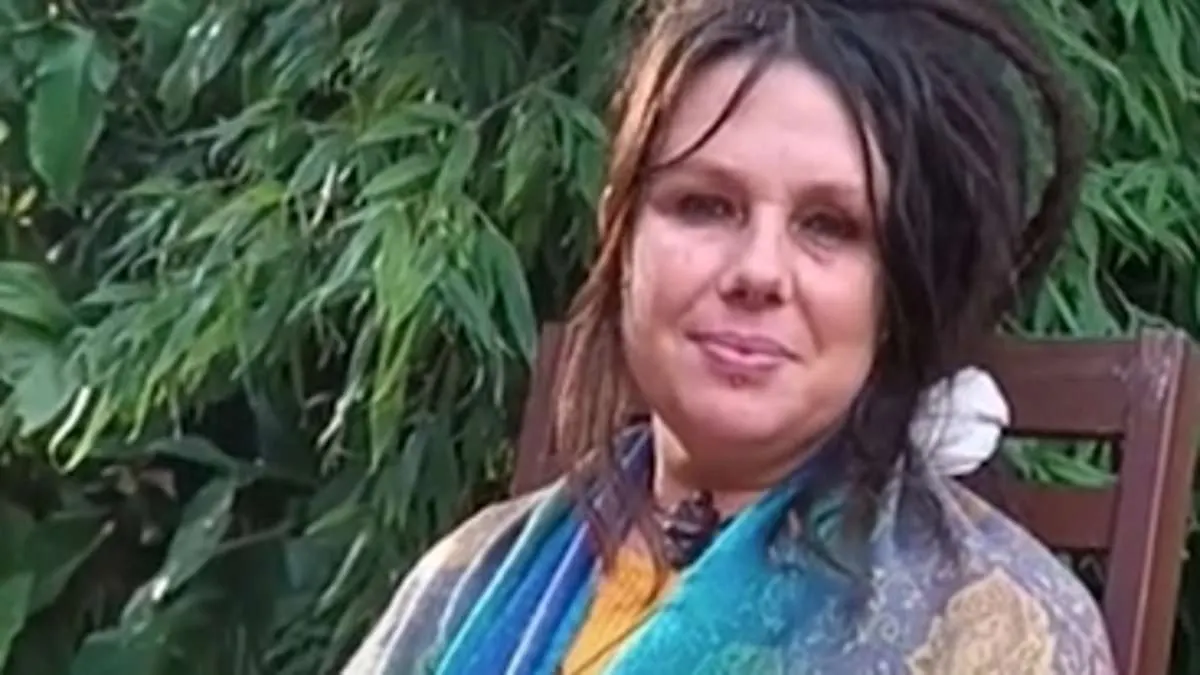
A New South Wales coronial inquest is examining the deaths of two babies after births attended by doula Sita Tara Kali, who has said she did not take oxygen equipment to home births because “babies always breathe”. The case has renewed scrutiny of free births, which take place without a registered midwife or doctor, and of the risks when urgent medical care is needed.
The court heard that Baby R died shortly after being born at 43 weeks and one day in August 2022; doctors attributed the death to severe post-maturity. Another doula at the birth said the baby appeared floppy and had meconium on his face and body, struggled to breathe for hours, and emergency services were called 12 hours later. The inquest also heard that the mother had considered renting an oxygen tank and that Kali promoted a seaweed technique for healing tears.
In short
- A coroner is investigating deaths following free births in northern New South Wales.
- Baby R was born at 43 weeks and died shortly afterwards.
- Witnesses described no oxygen equipment and a delayed emergency call.
Steelman: both sides, in good faith
The strongest fair case each way — we don't pick a winner.
The case for
Supporters of free birth may argue that people should be able to choose how and where they give birth, including outside medical settings, and that pregnancy and birth are not always best served by routine intervention. They may value bodily autonomy, privacy and trust in a birth-giver’s own judgement, while recognising that this choice depends on clear information about risks and access to urgent help if complications arise.
The case against
Those urging medical oversight argue that birth can become life-threatening quickly, and trained clinicians and emergency equipment may help identify complications and provide timely care. In this case, the reported signs of breathing difficulty and the delay before emergency services were called raise serious questions about whether the baby received the help he needed; they may also argue that people choosing free birth should be given candid, evidence-based advice about its risks.