World news and discussion on TalkFuse.
Tajikistan leaves International Criminal Court
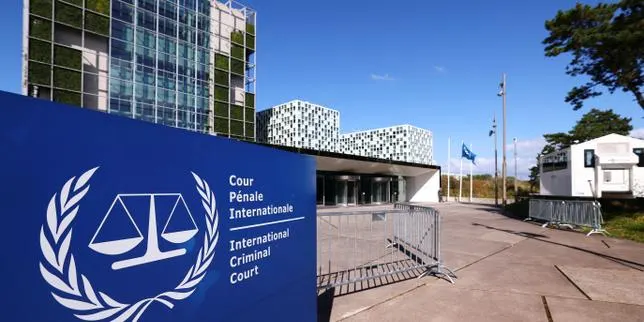
Tajikistan has notified the United Nations that it is withdrawing from the treaty establishing the International Criminal Court (ICC), a move that would leave Central Asia without a member of the court. The decision comes amid growing pressure on the ICC and raises concerns about international cooperation on accountability.
The withdrawal notice was submitted on 20 November and is due to take effect on 20 November 2027, following the treaty’s one-year notice period. Tajikistan is the fourth country to begin withdrawing since the United States called on countries to leave the court in July; Chad, Venezuela and Nauru have also announced withdrawals.
In short
- Tajikistan has notified the UN it is leaving the ICC.
- Its withdrawal is due to take effect in November 2027.
- The move would leave Central Asia without an ICC member.
Steelman: both sides, in good faith
The strongest fair case each way — we don't pick a winner.
The case for
Tajikistan can argue that leaving the ICC protects its sovereignty and preserves national control over decisions about legal accountability. A government may also question whether the court applies its authority consistently or fairly, and prefer to address alleged crimes through domestic institutions.
The case against
Remaining in the ICC would signal support for international cooperation and a shared system for investigating serious crimes when national processes are inadequate. Leaving may weaken accountability, reduce victims’ access to justice and leave Central Asia without a member of the court.
Explained simply
The International Criminal Court is a treaty-based court that prosecutes individuals for serious crimes such as genocide, war crimes and crimes against humanity when national courts are unwilling or unable to act. It is separate from the United Nations, although the UN can refer situations to it.
Countries that join the treaty, known as the Rome Statute, agree to cooperate with the court and accept its authority in certain cases. A country’s withdrawal does not automatically end the court’s ability to examine crimes committed while that country was a member, or cases referred by the UN Security Council.
Tajikistan is a Central Asian country, and its departure would leave the region without a member of the court. Membership affects the court’s reach and the cooperation available for investigations and arrests, which are generally carried out by national authorities.